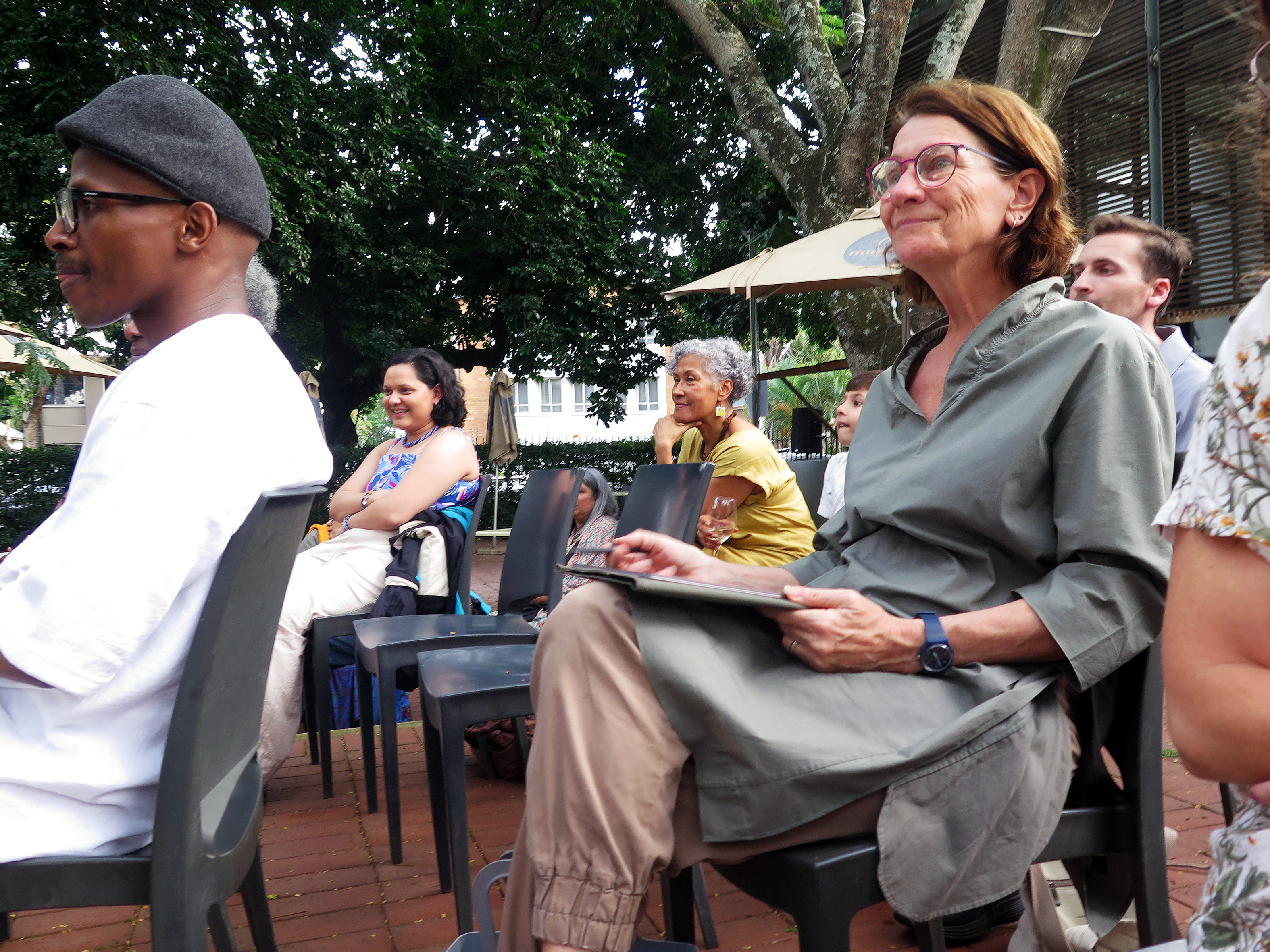
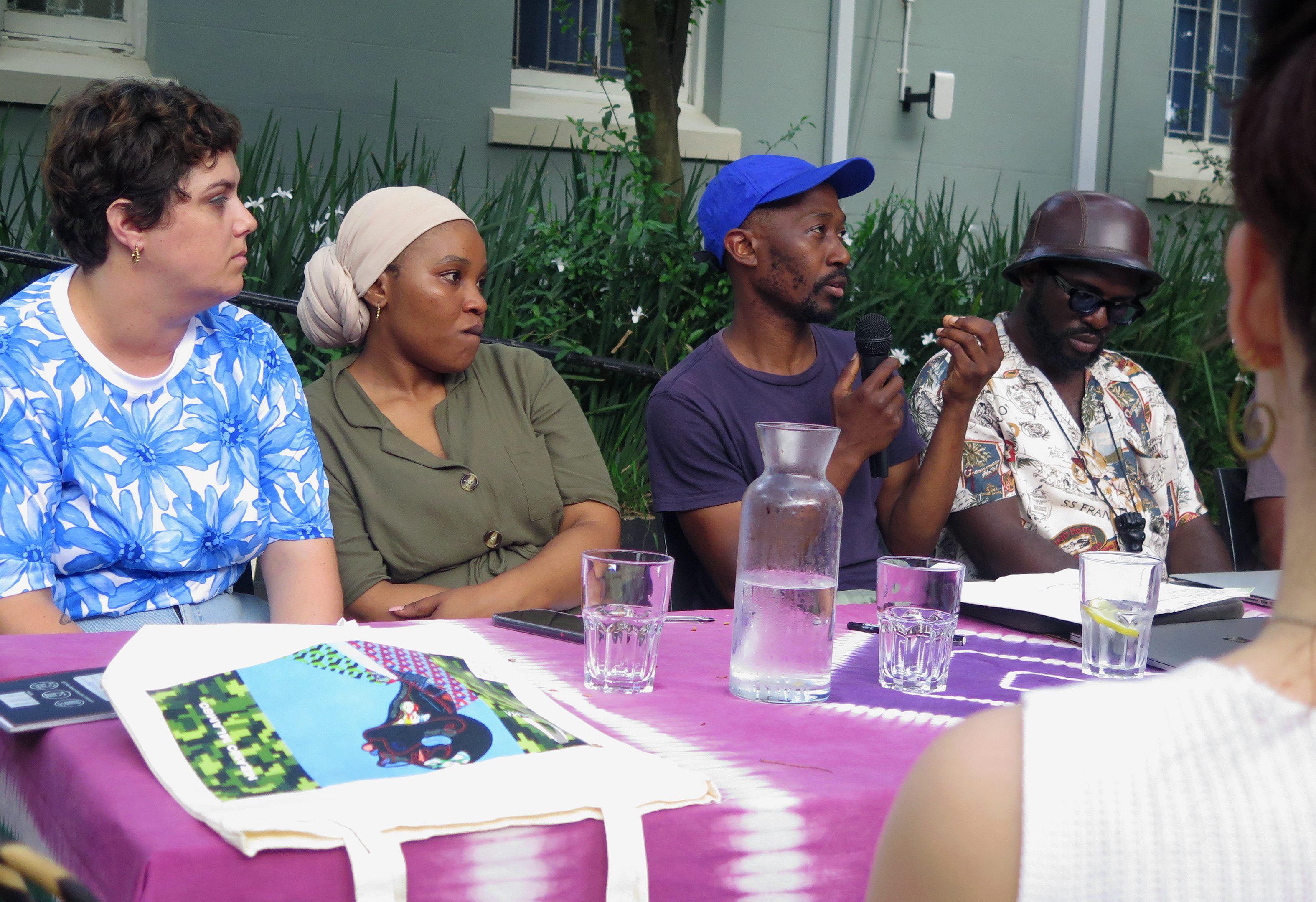
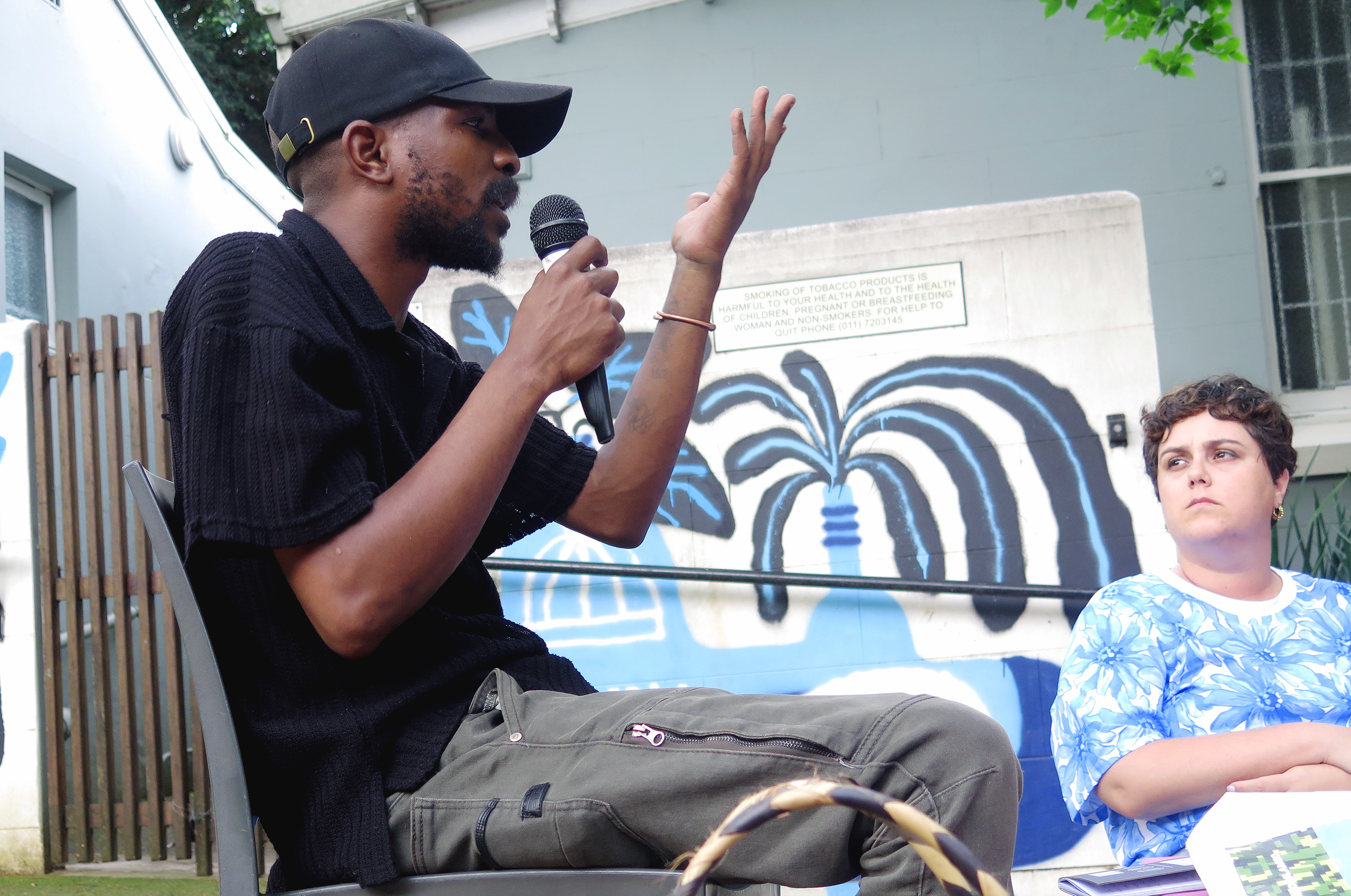
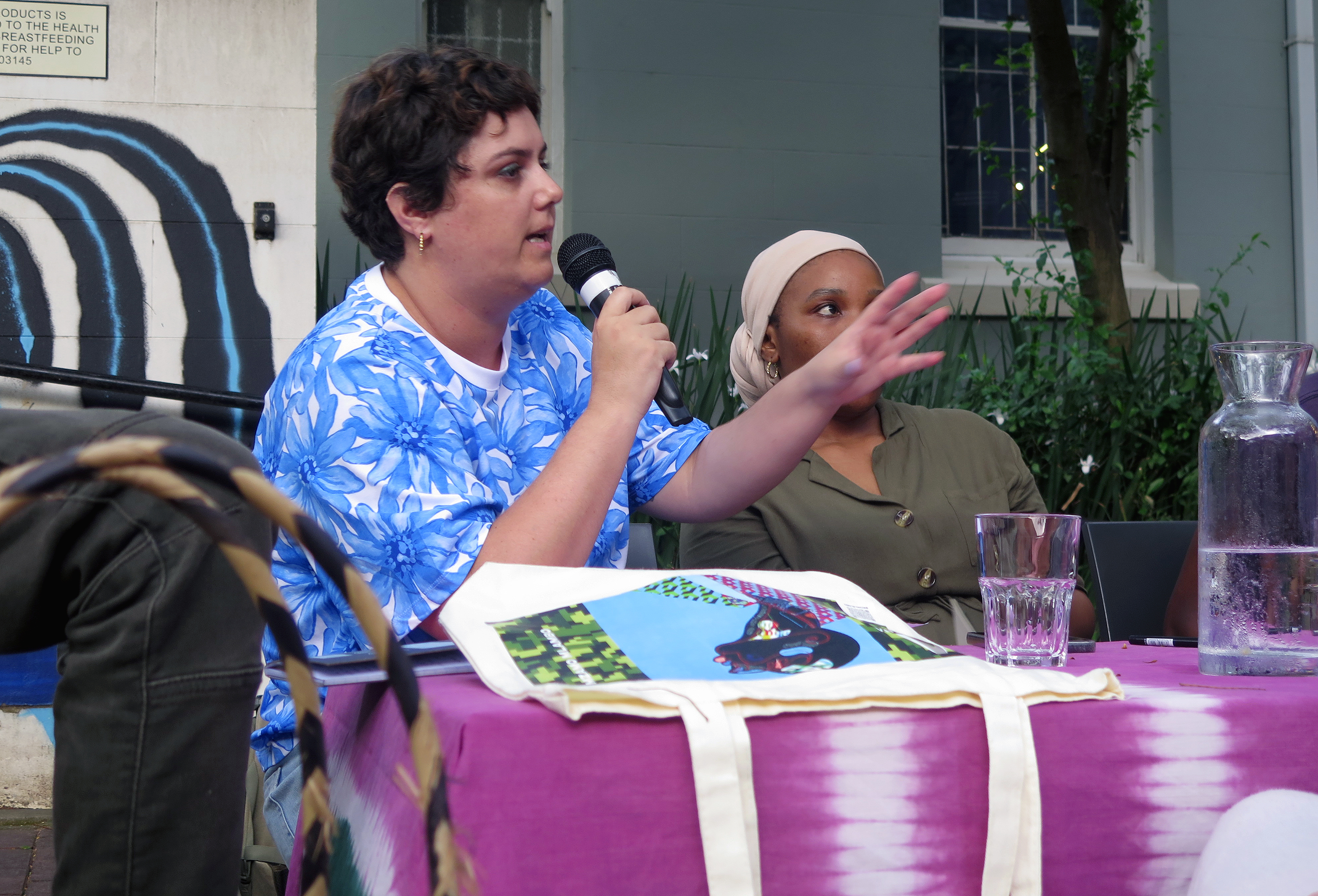
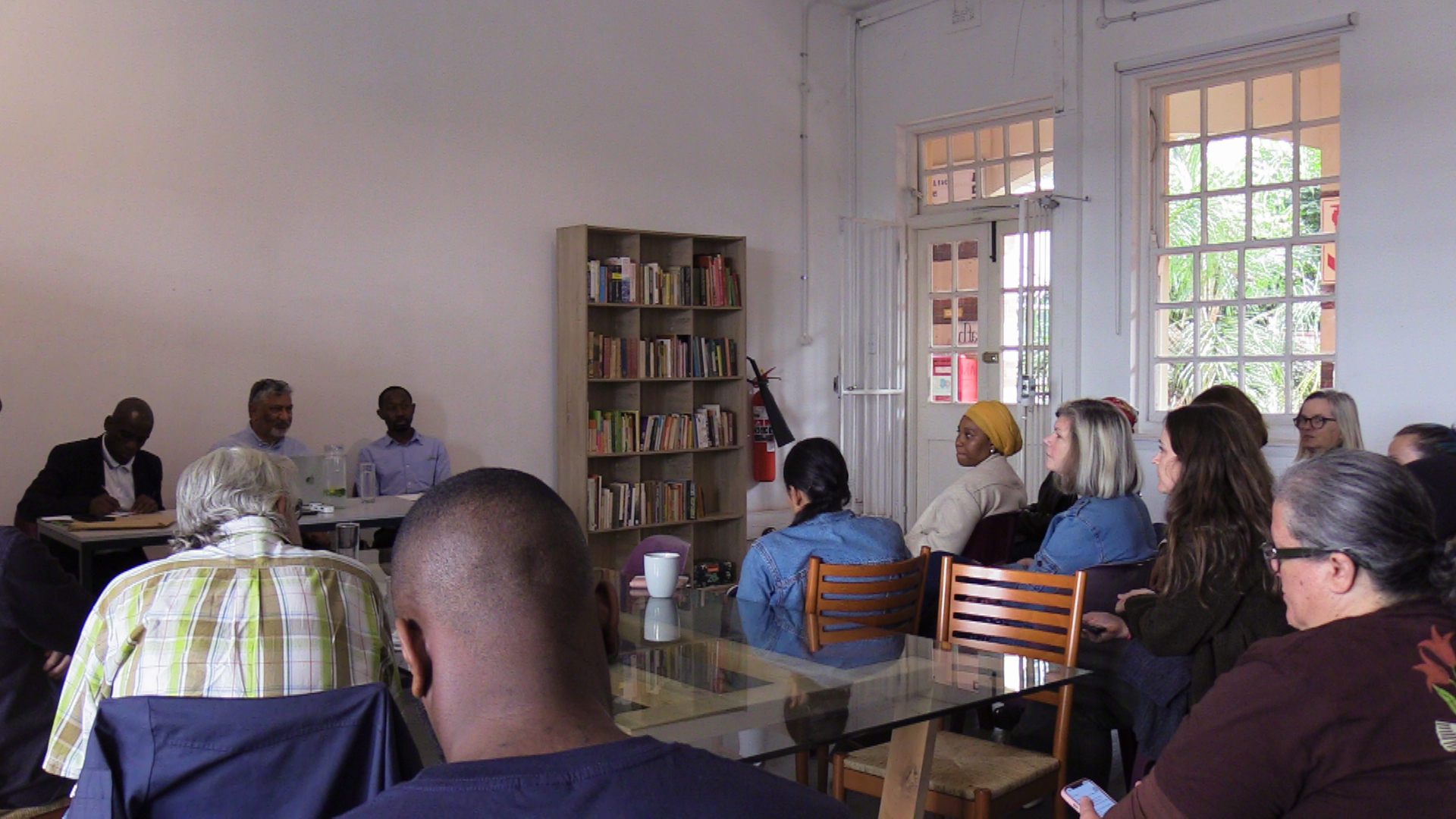
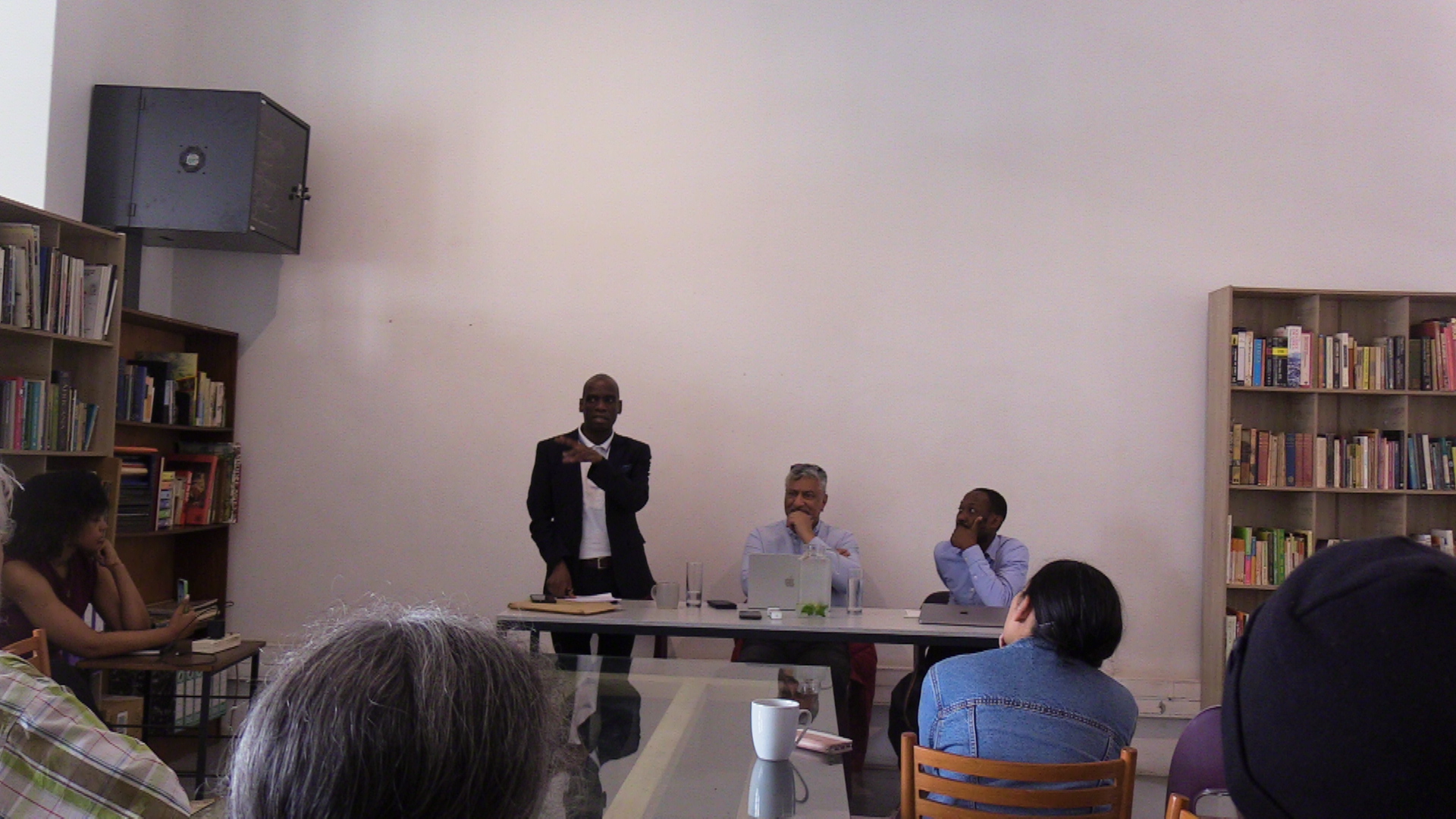
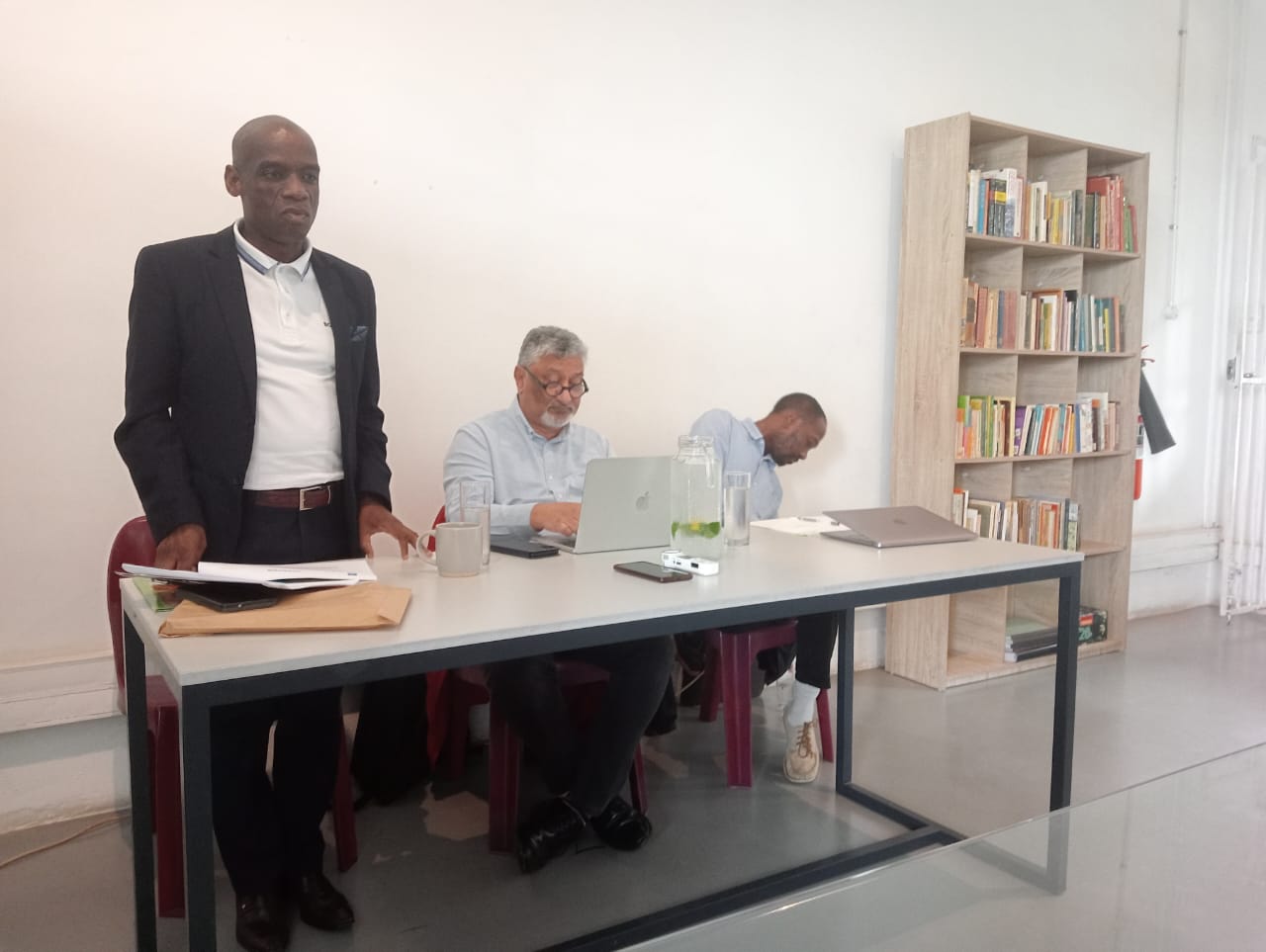
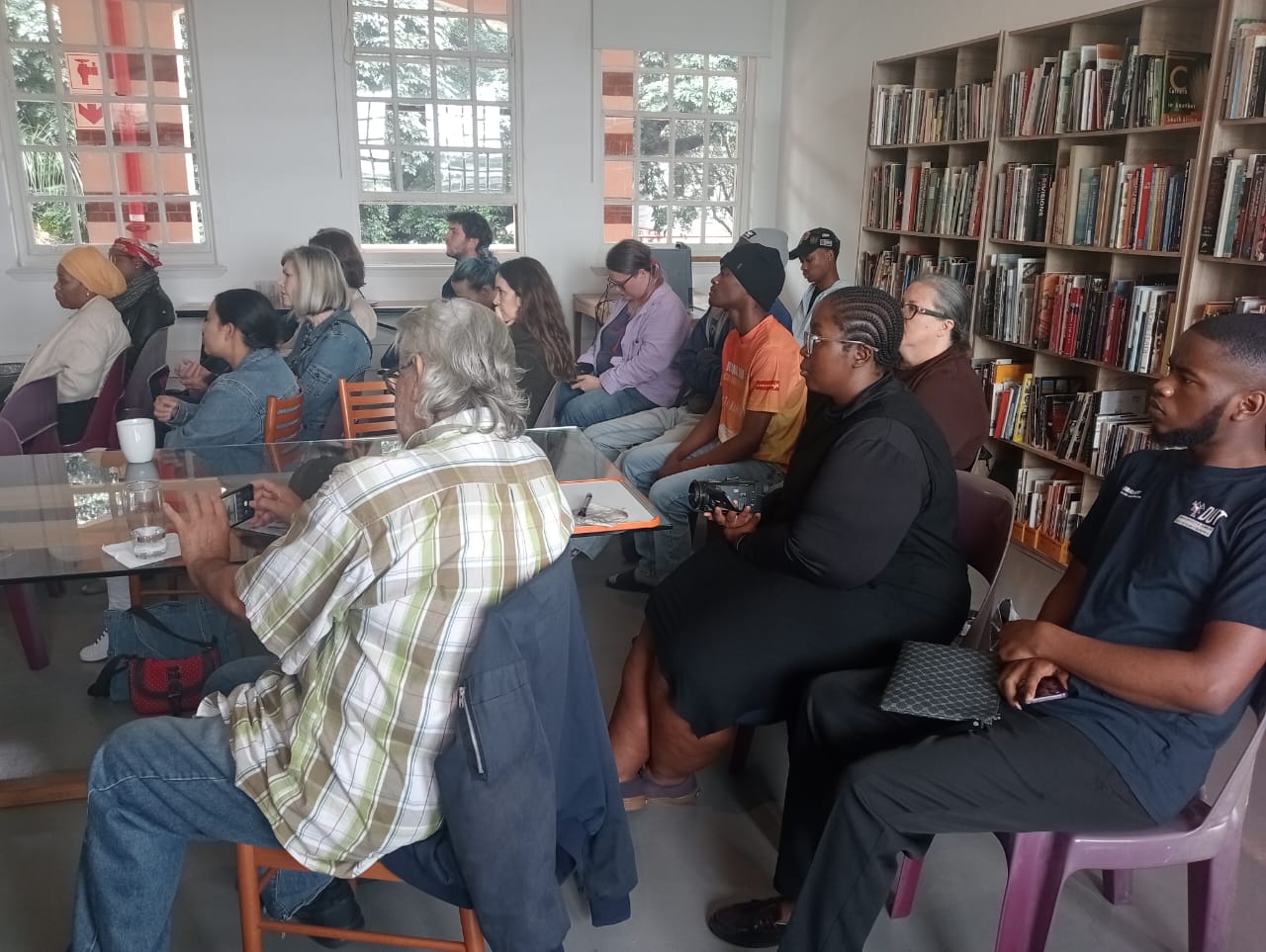
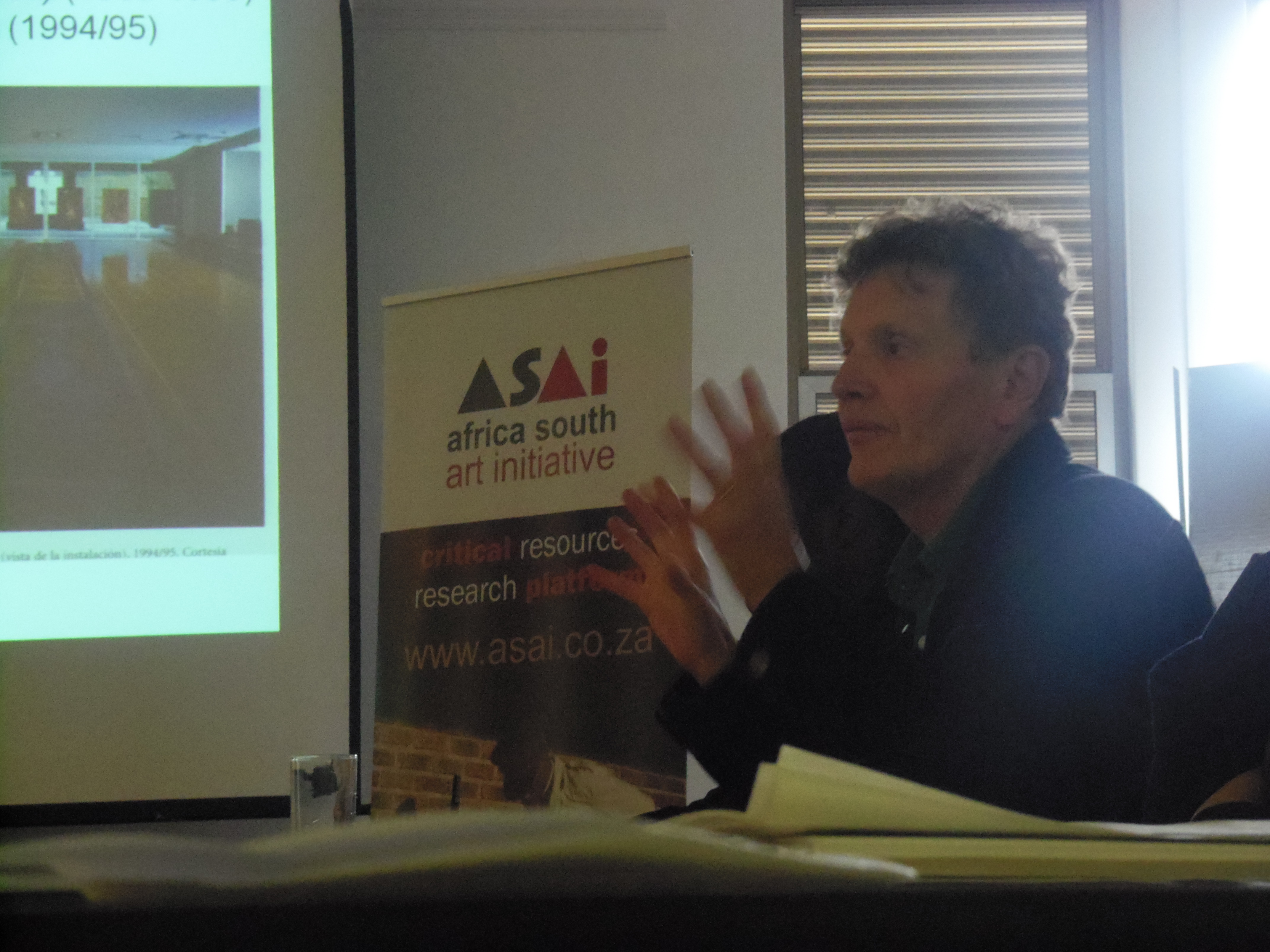
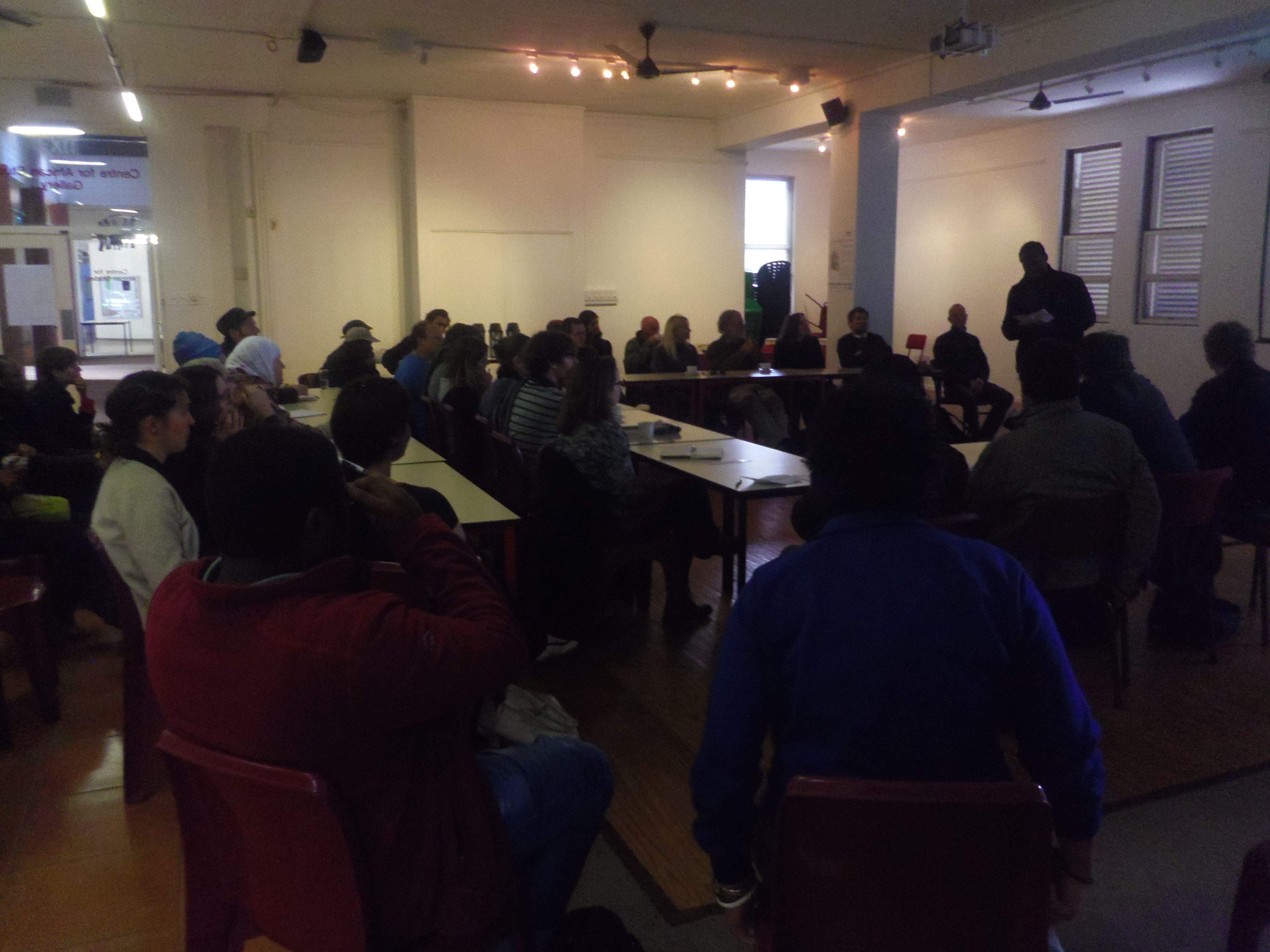
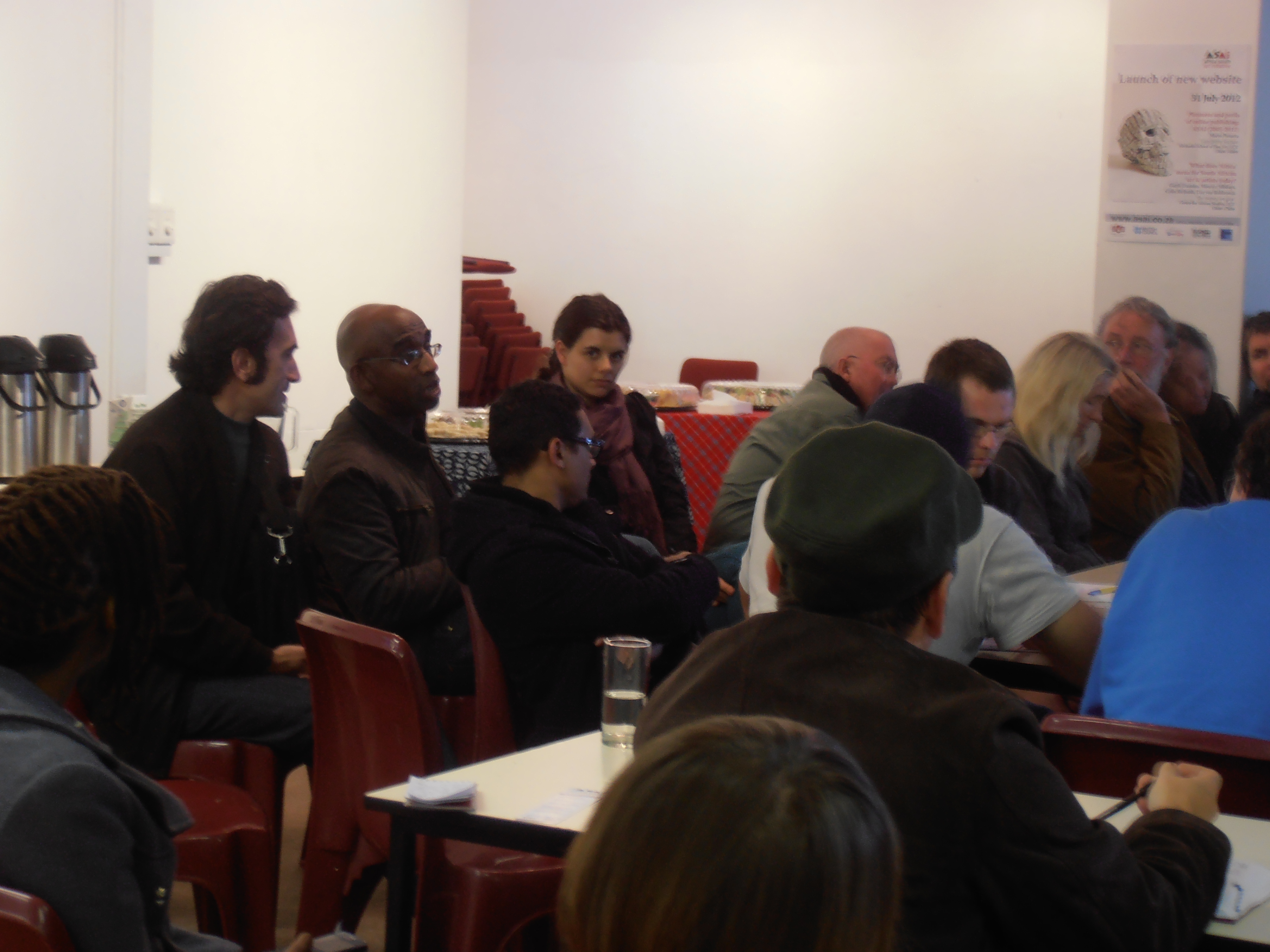
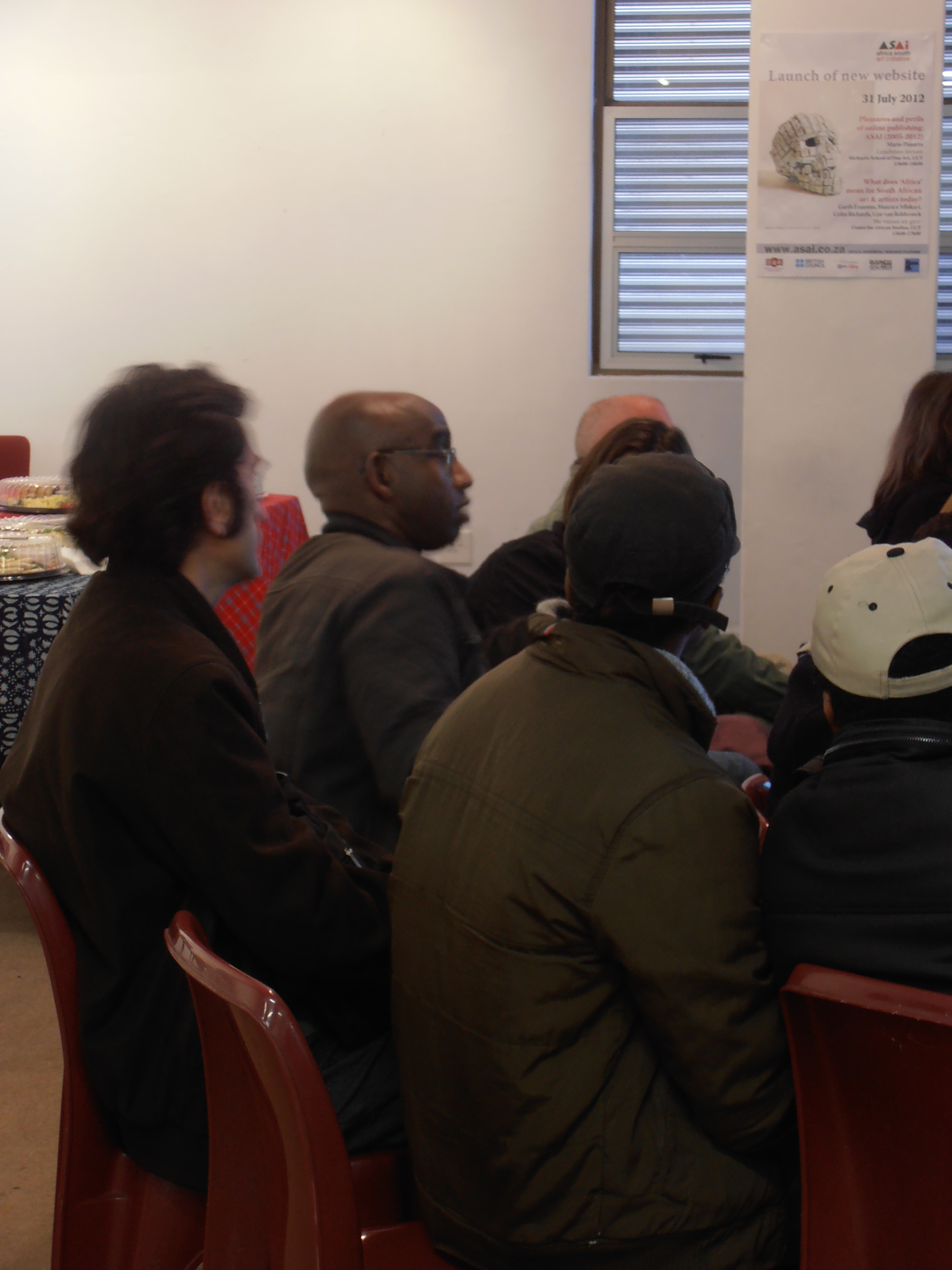
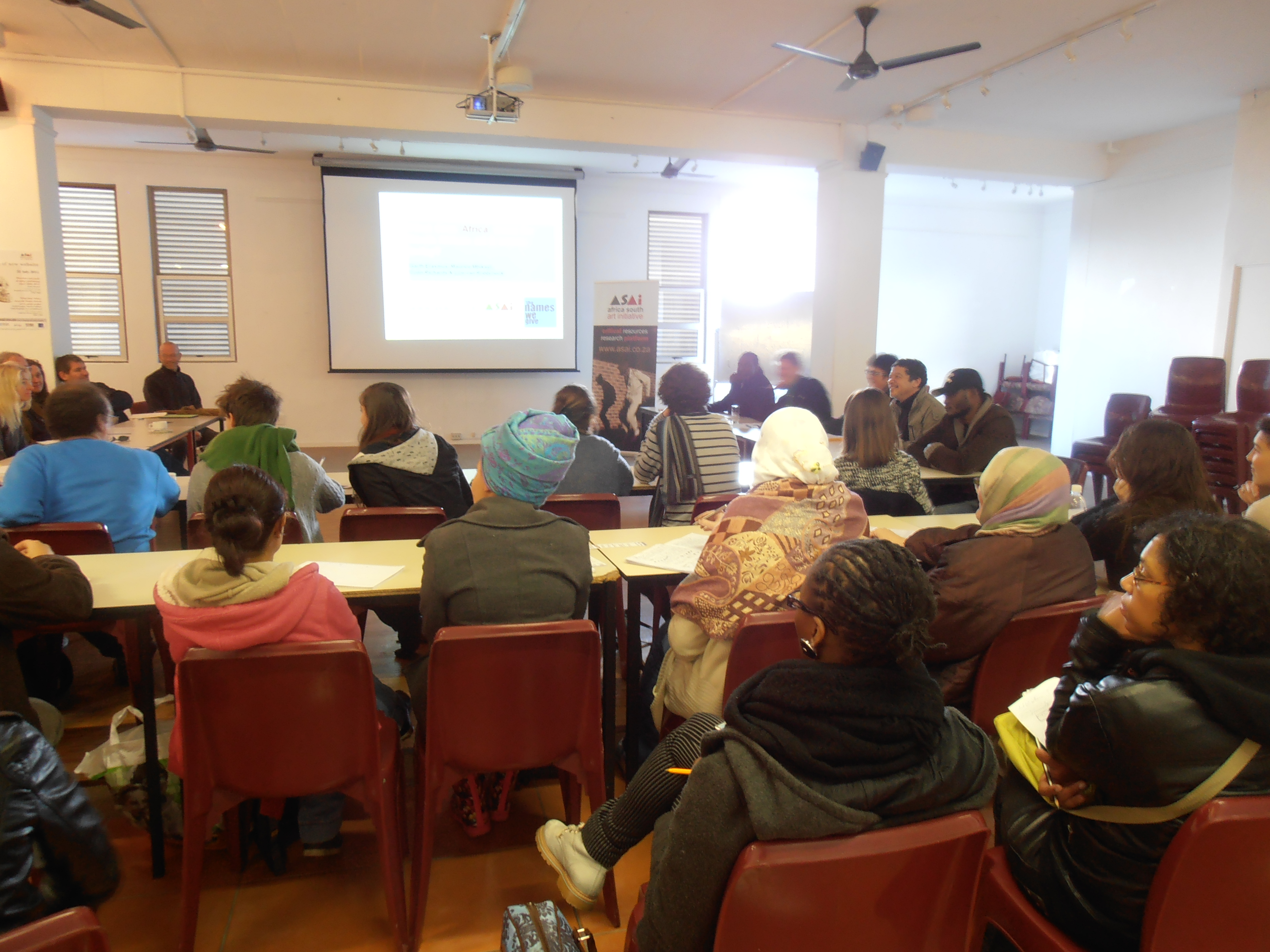
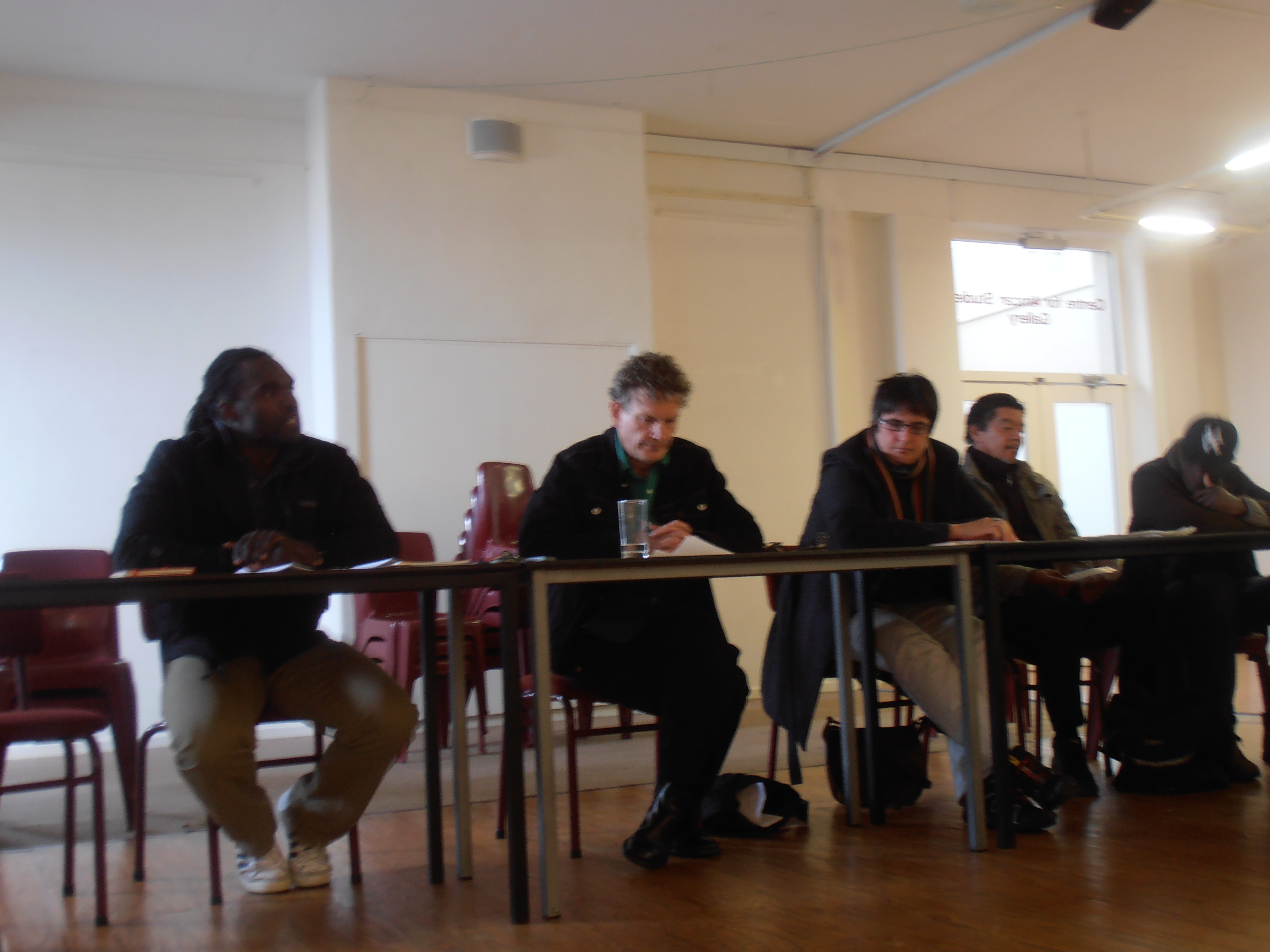
How to be an artist in Durban, Art Resource Centre, (2026)

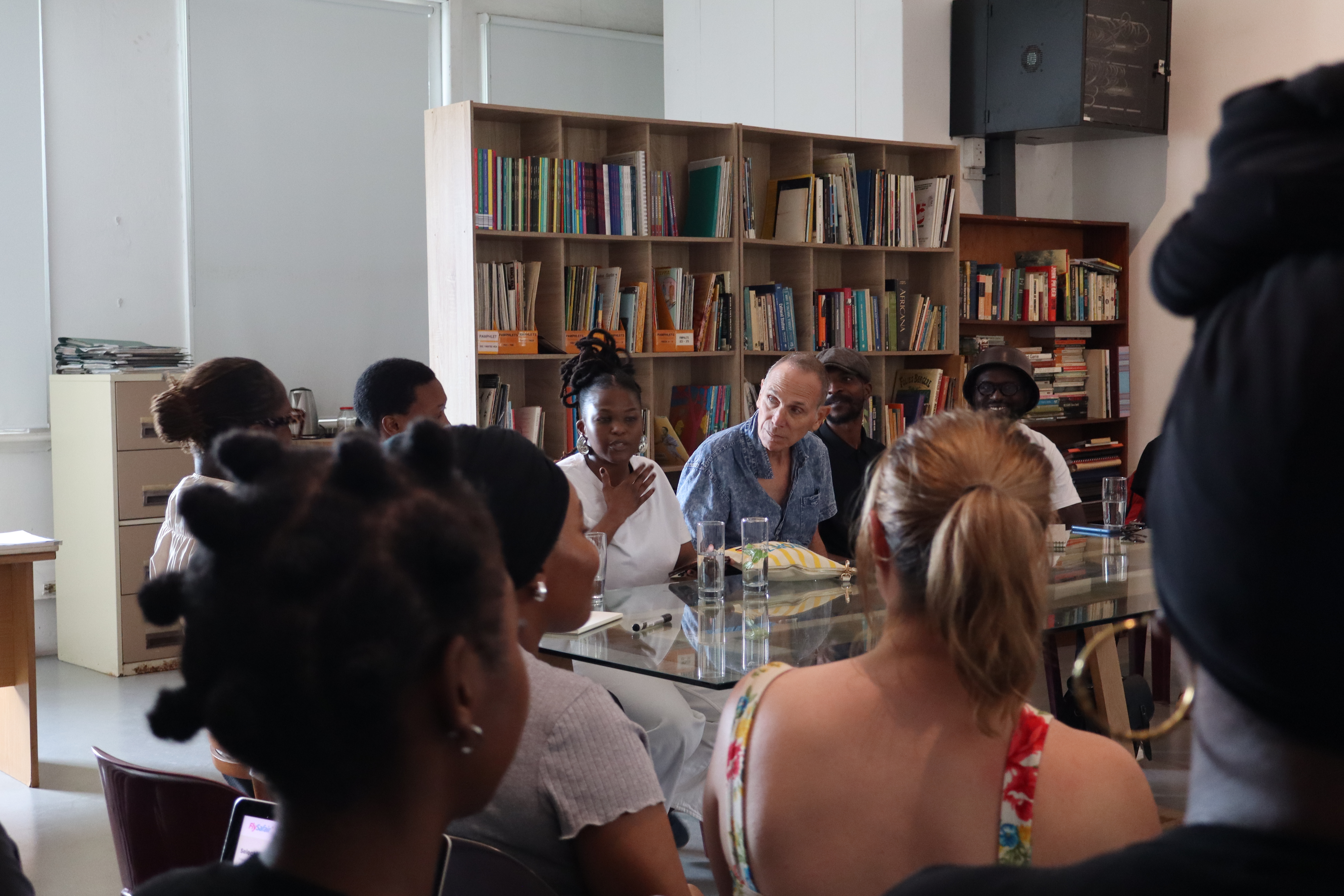
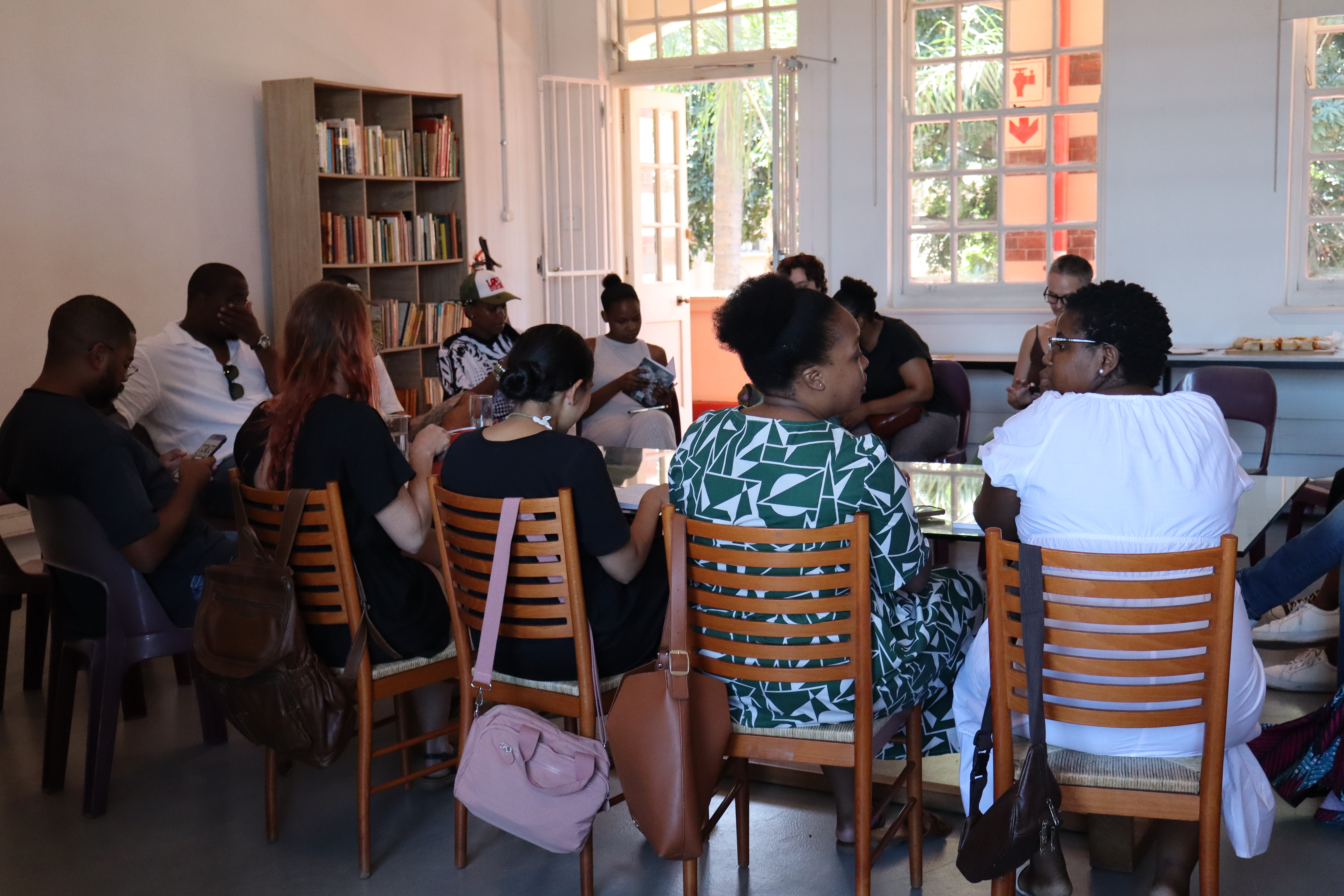
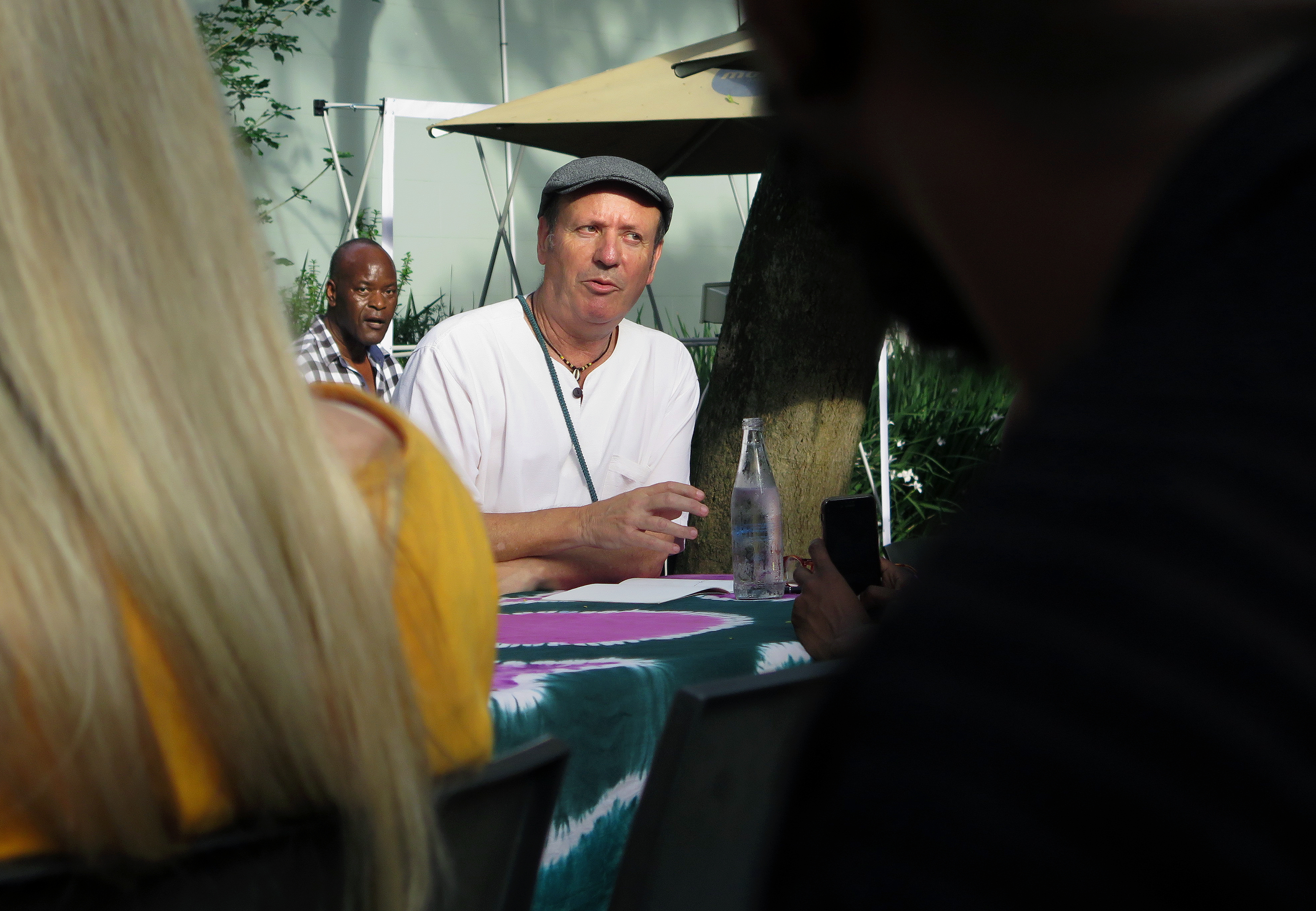
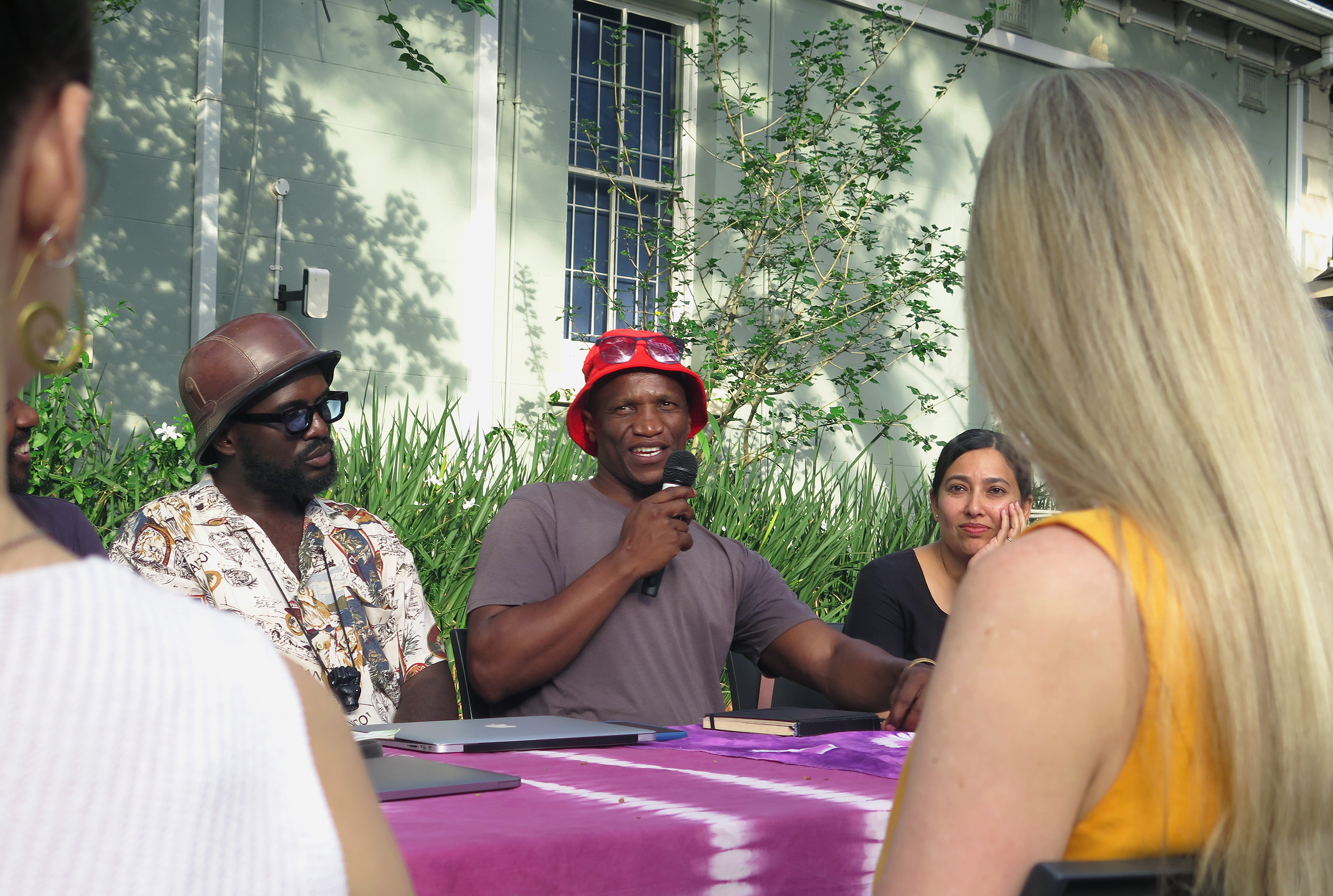
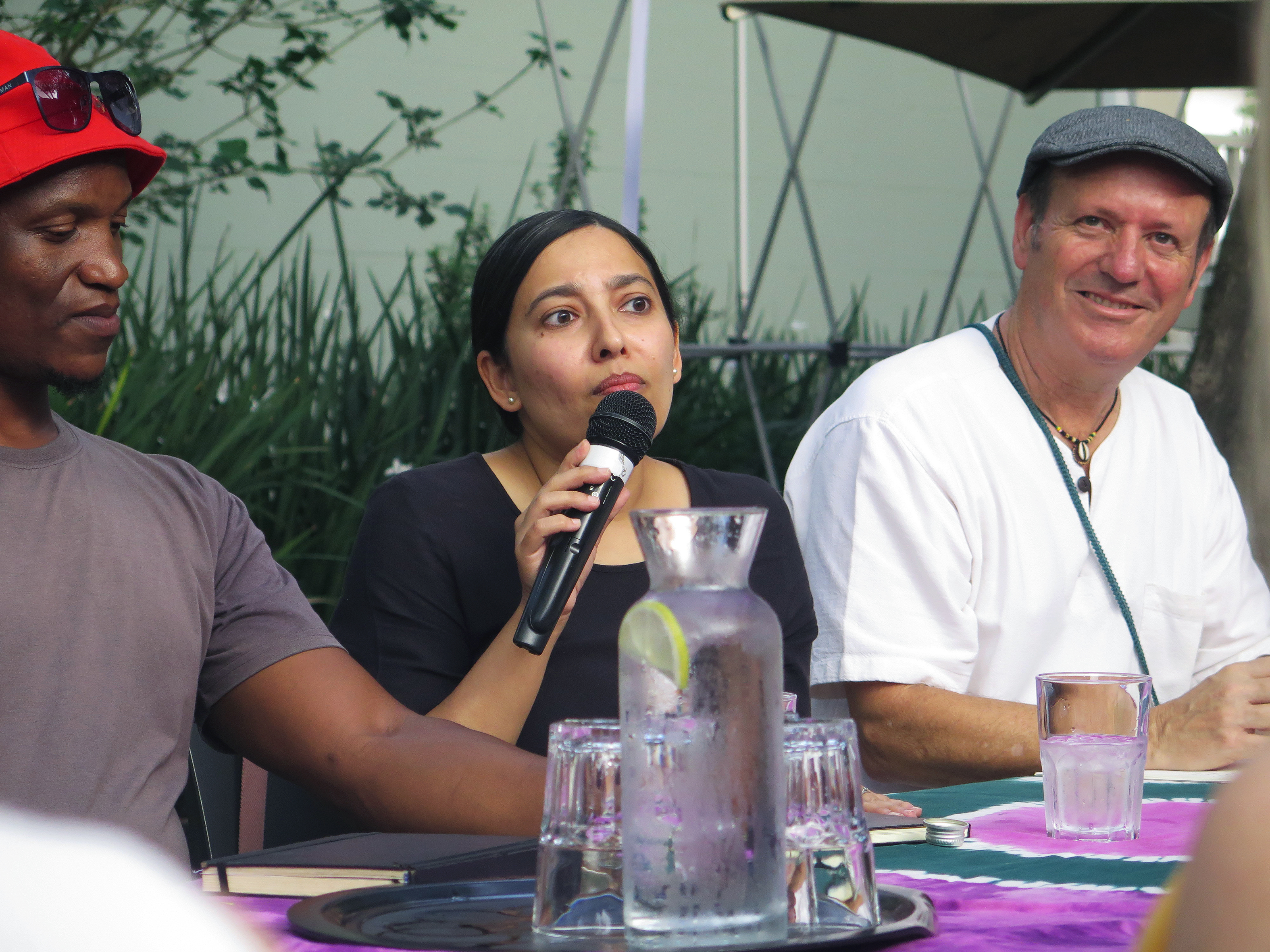
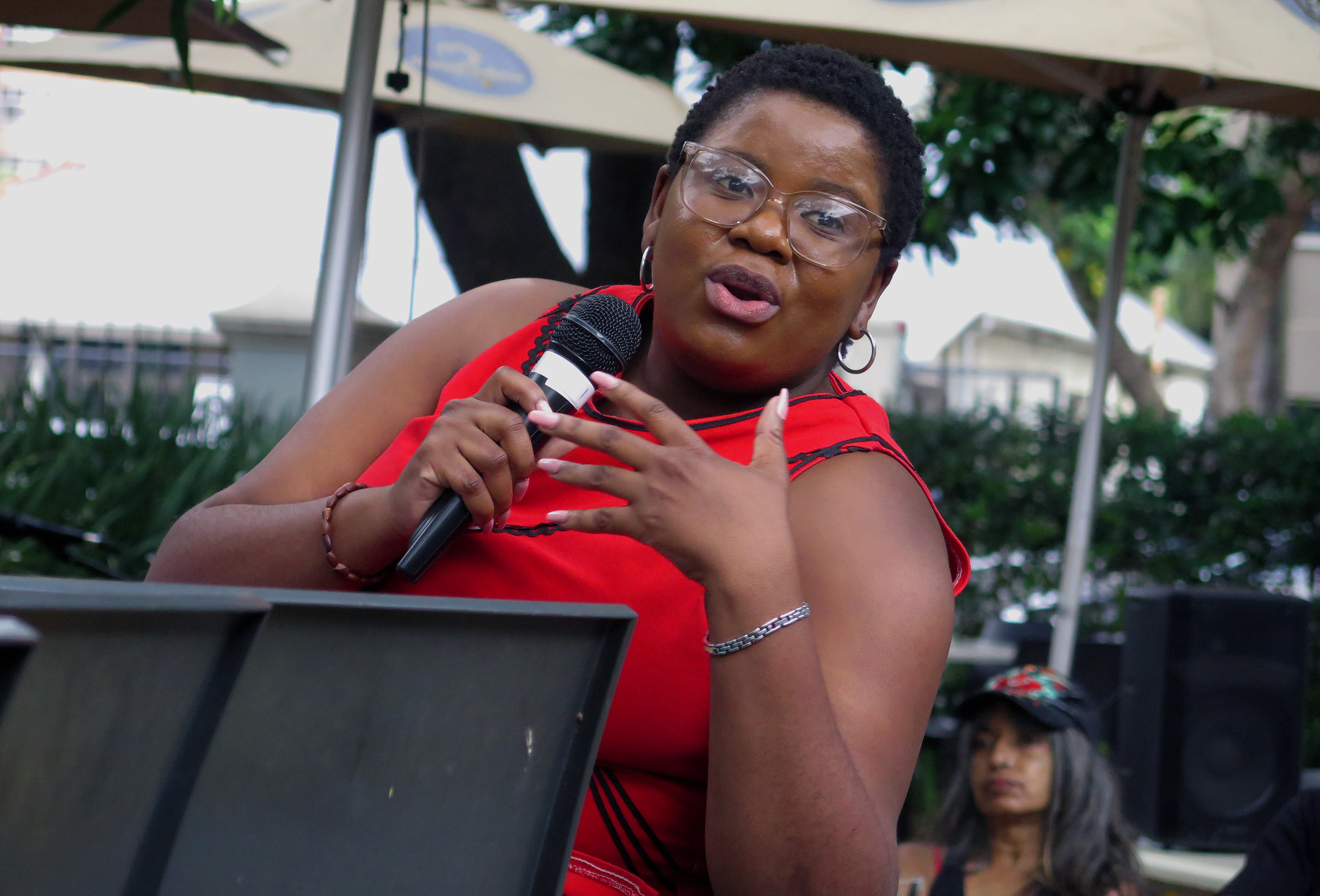
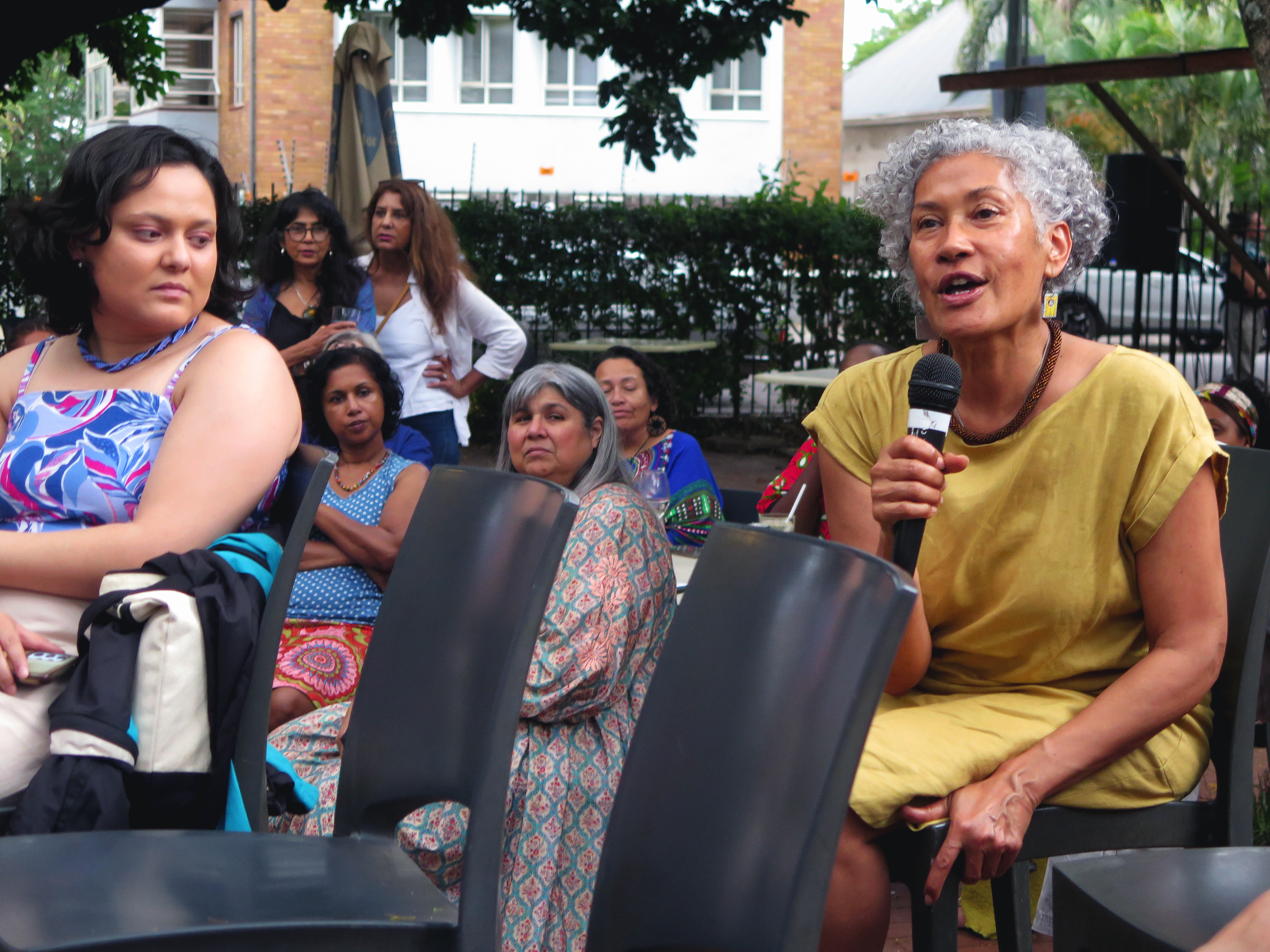
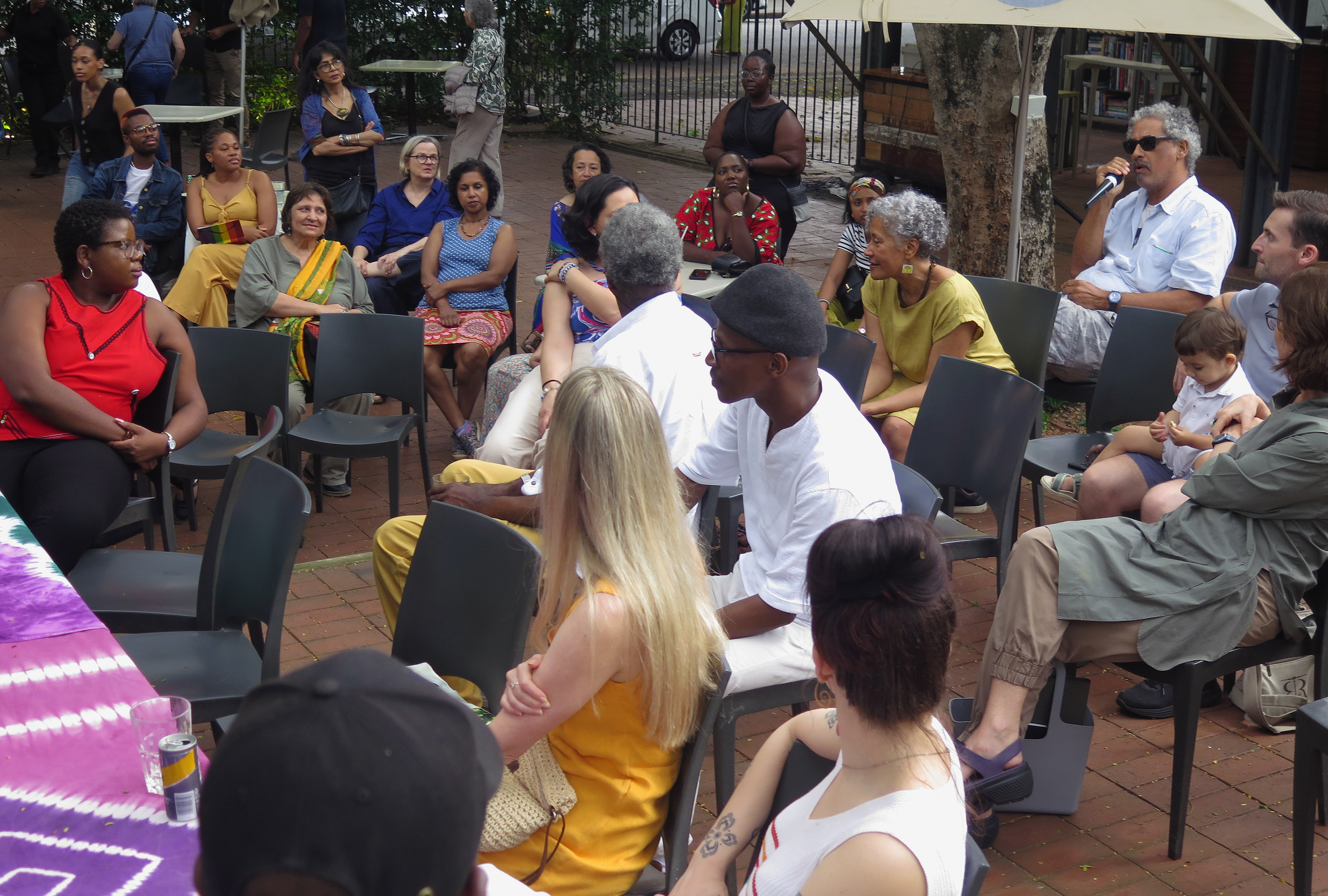
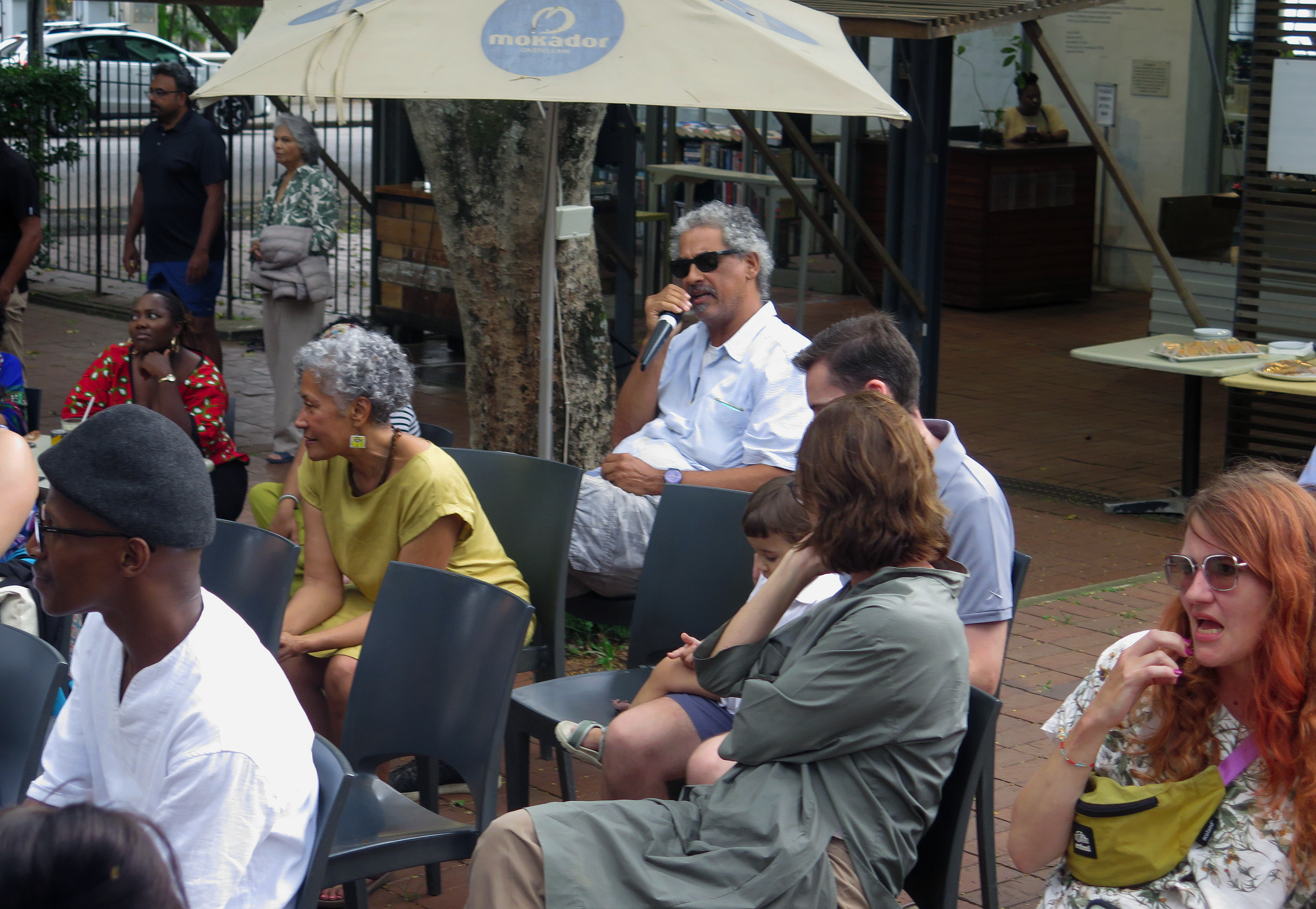
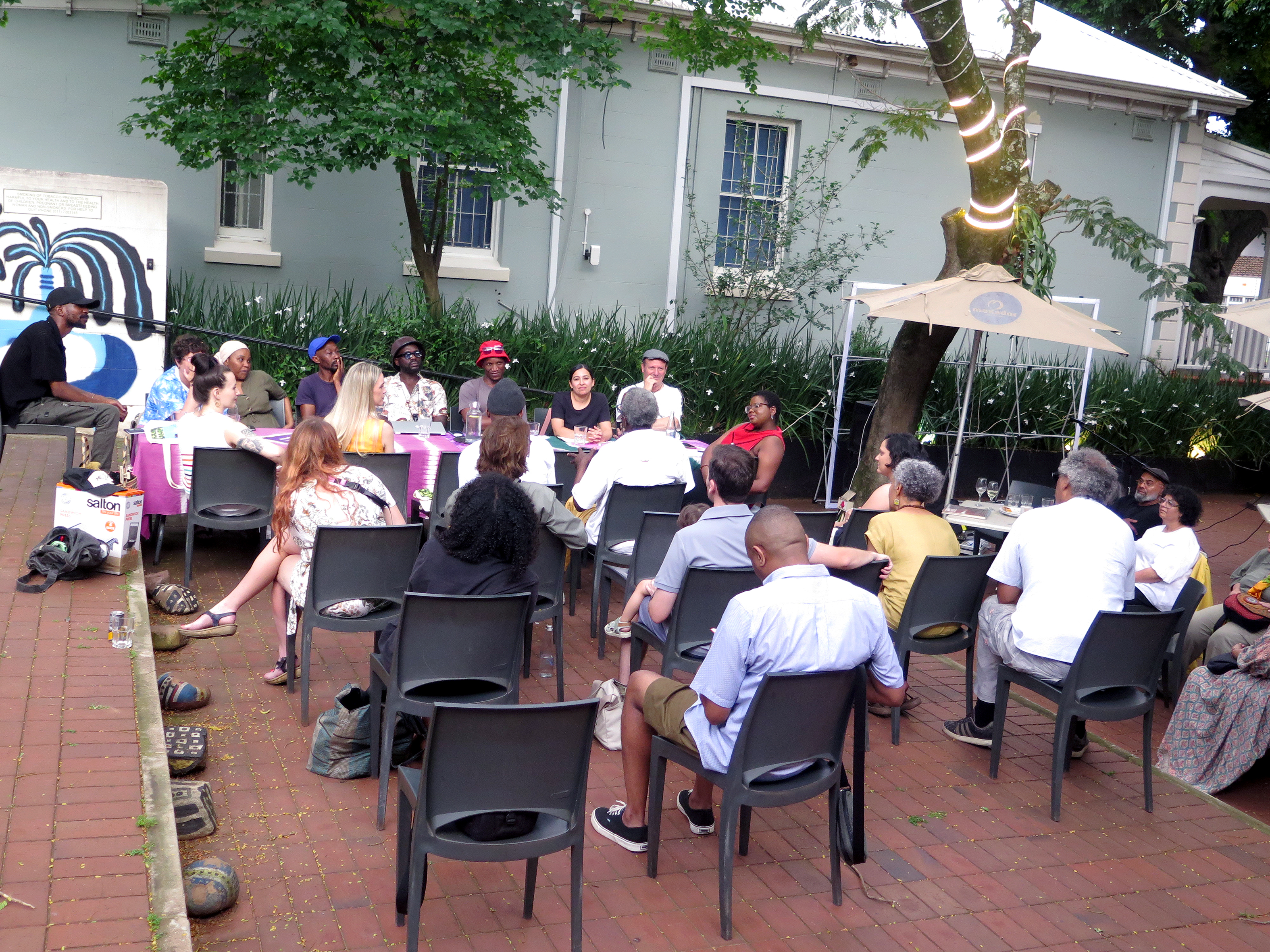
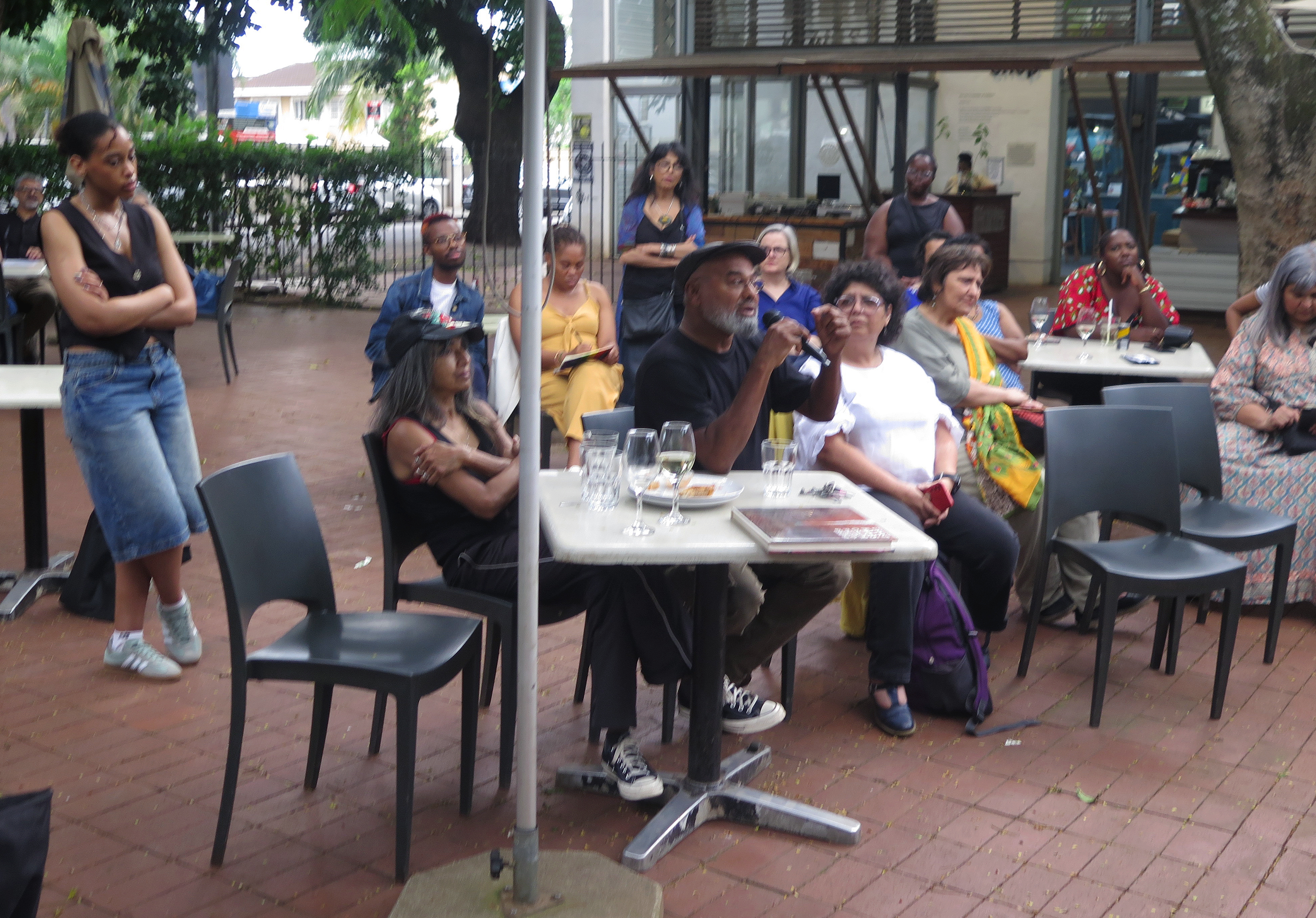
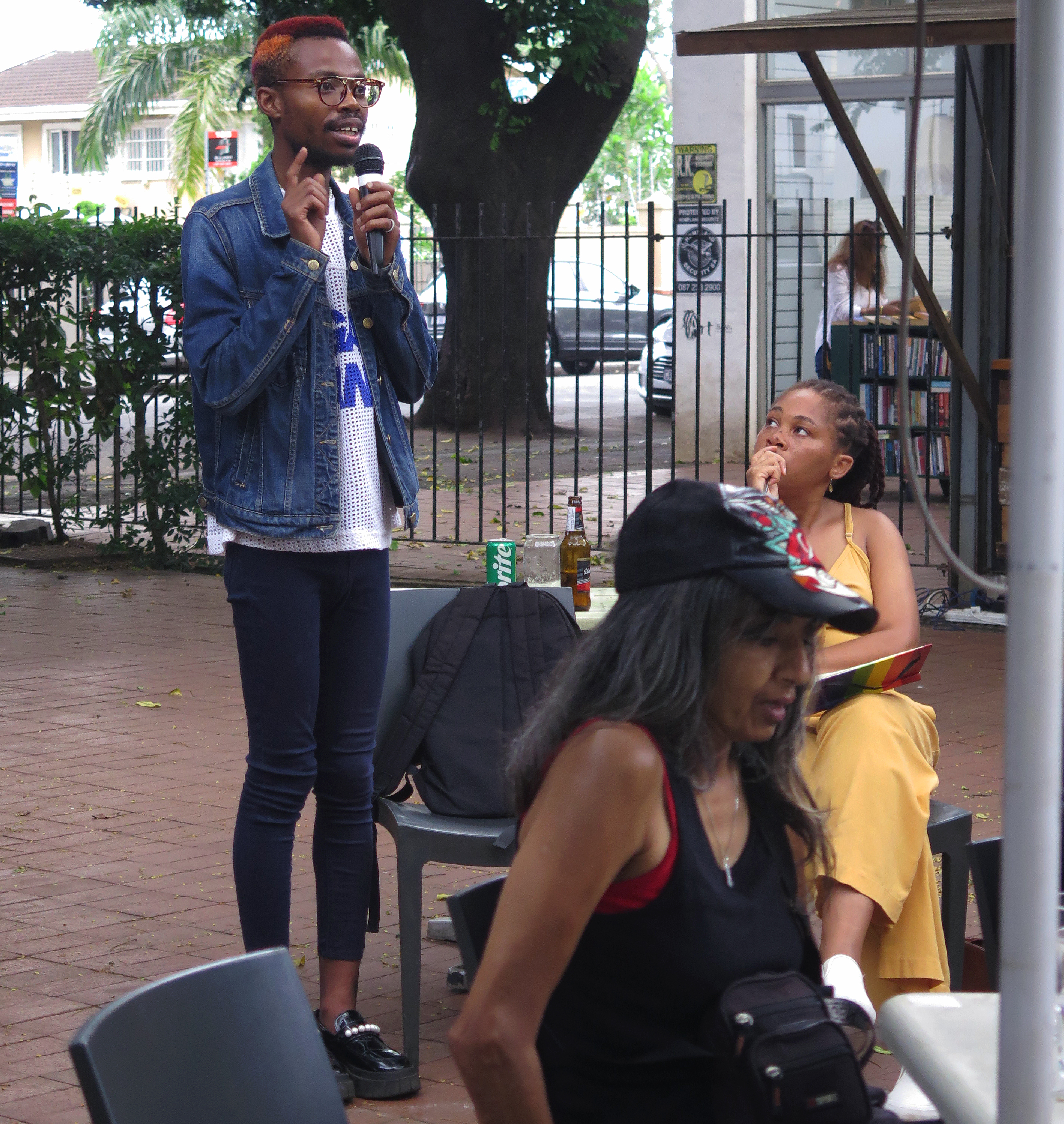
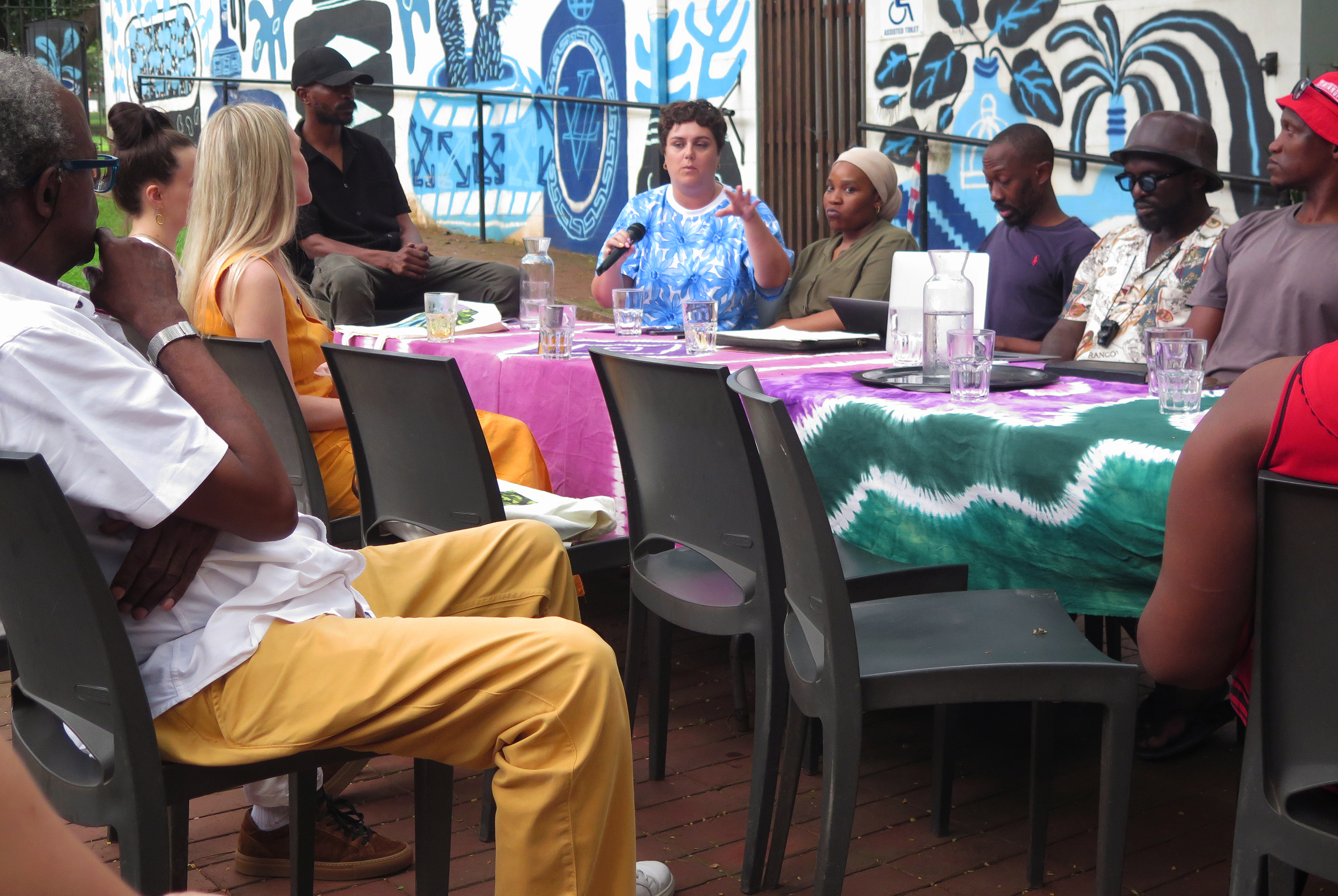
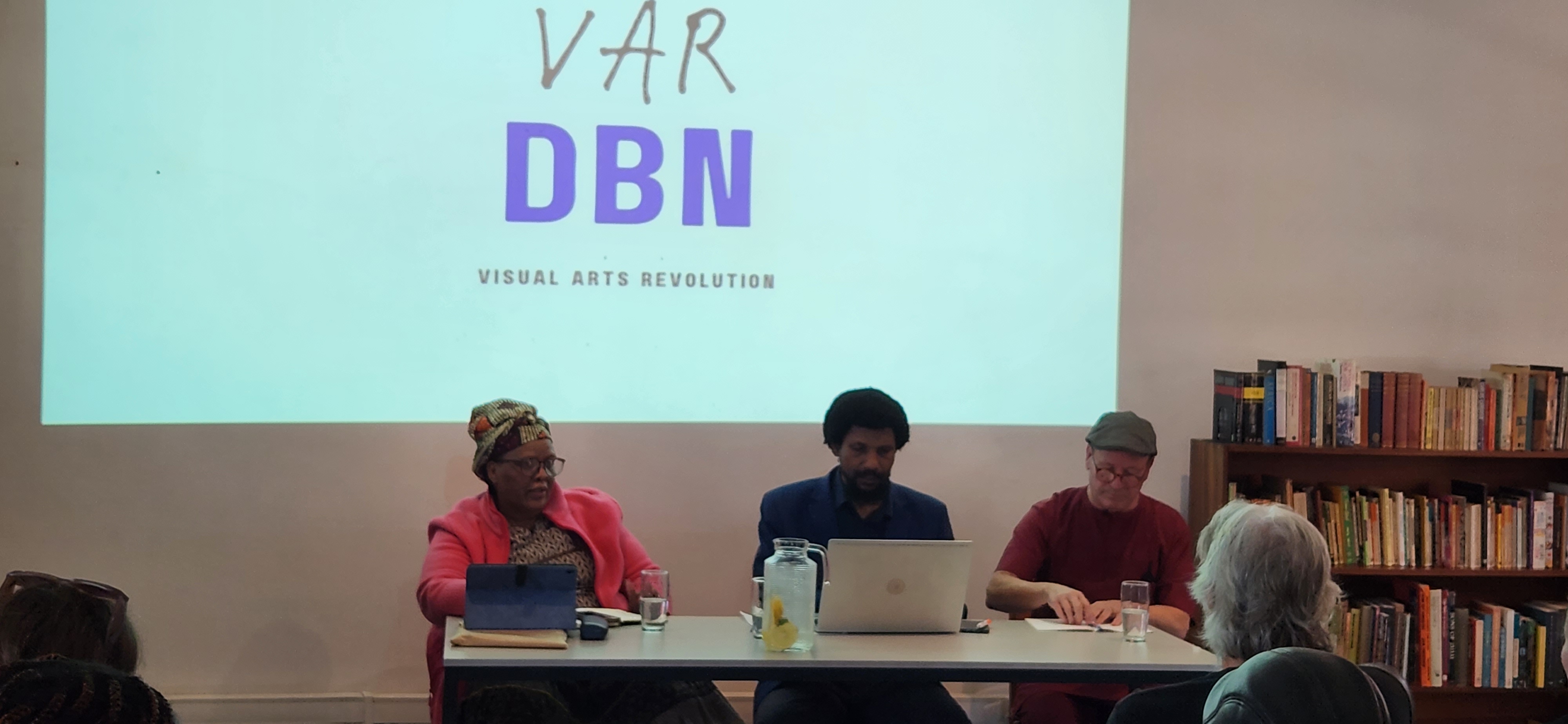
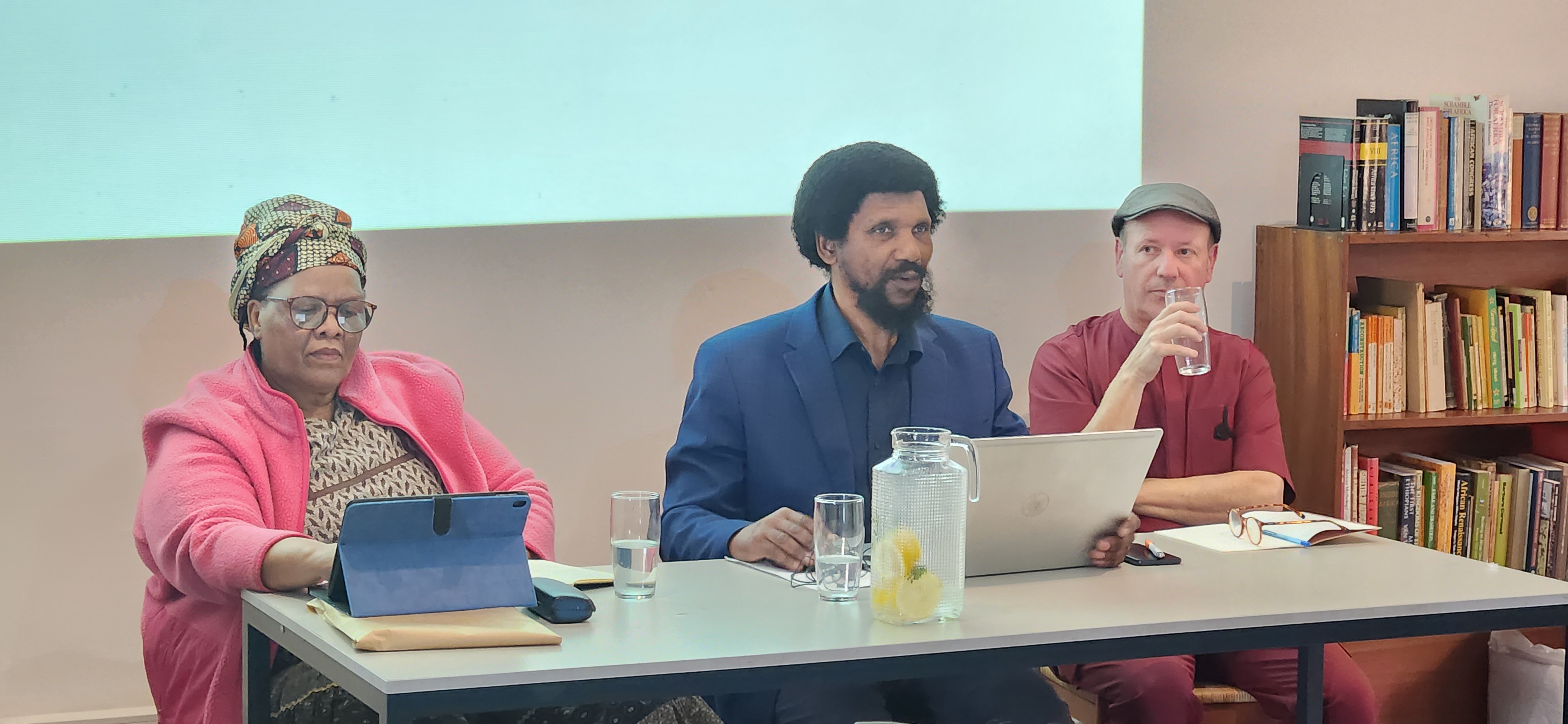
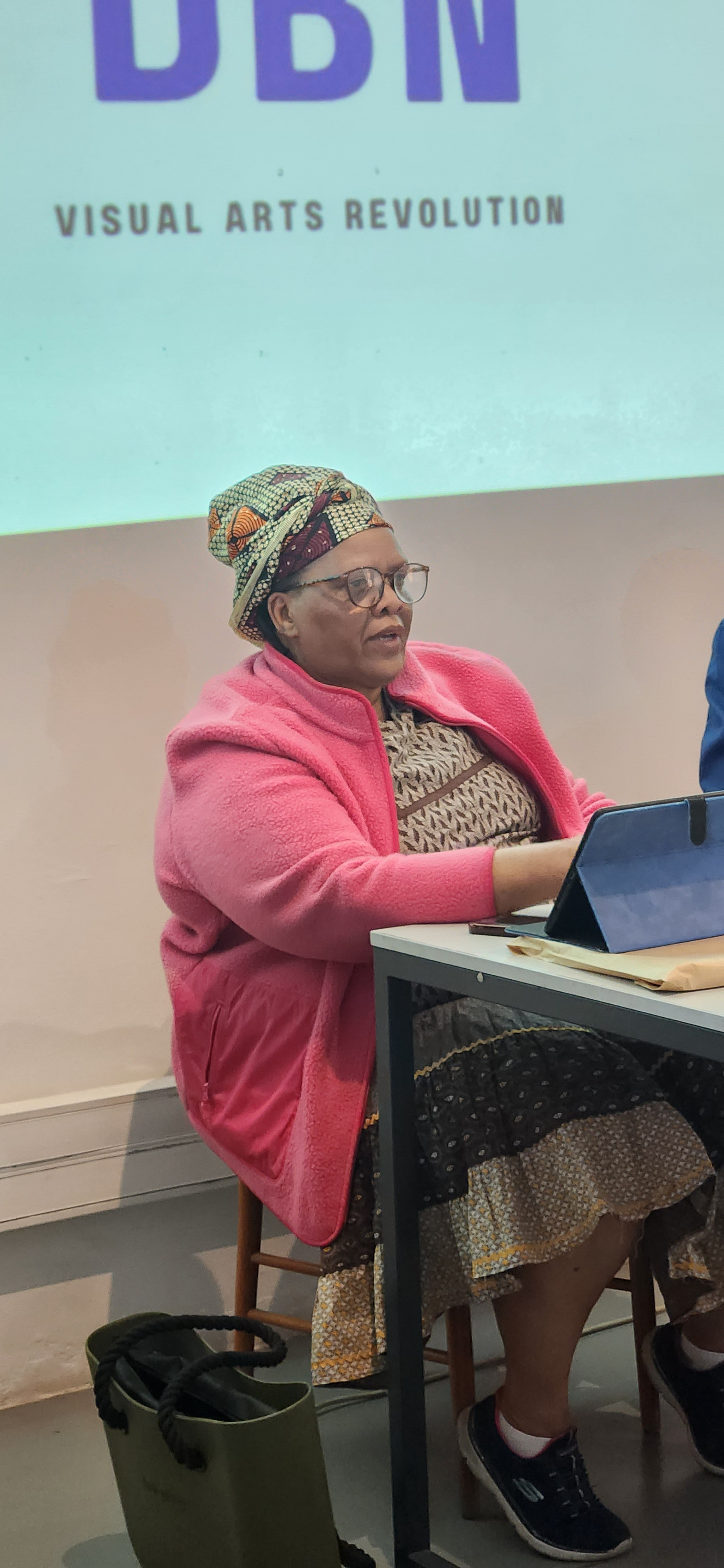
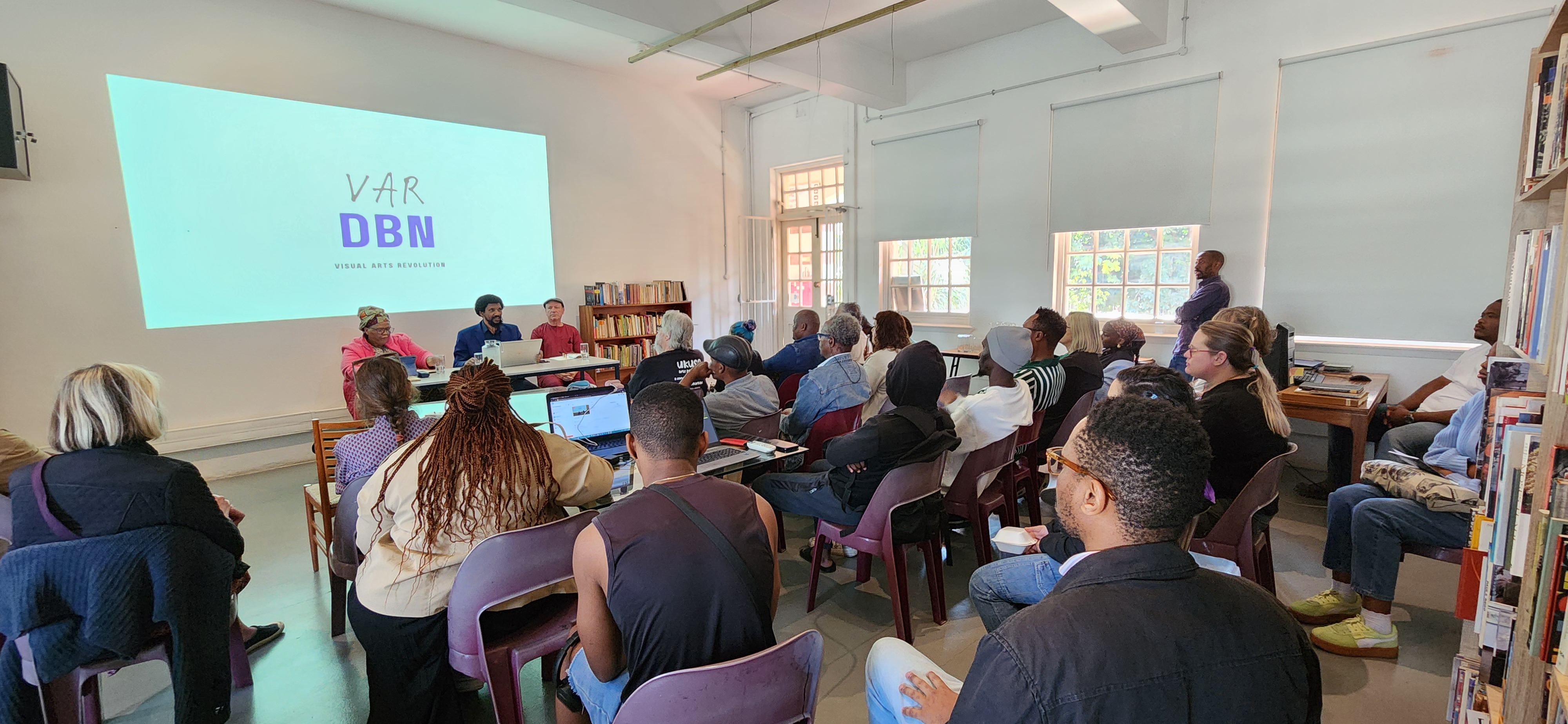
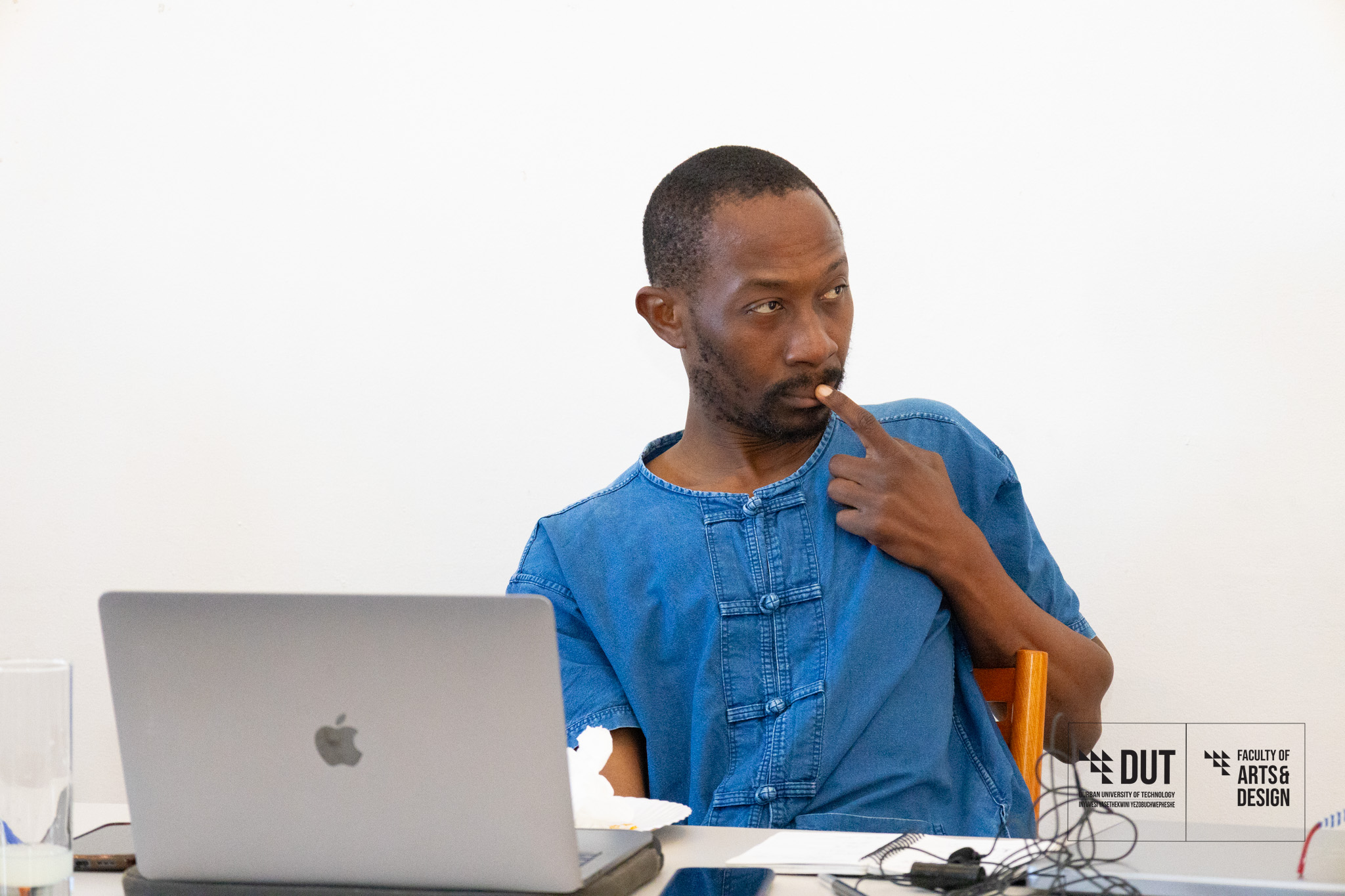
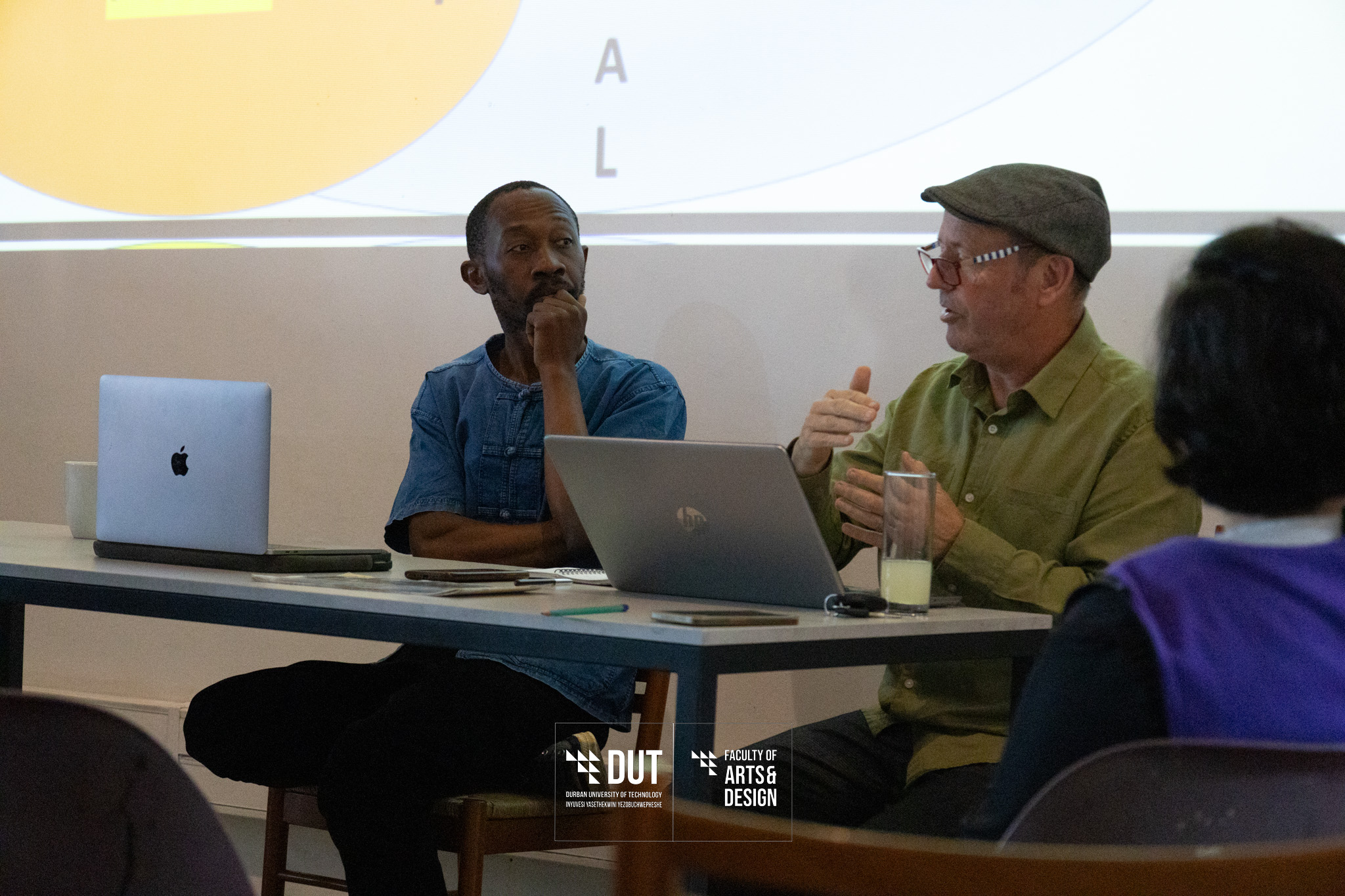
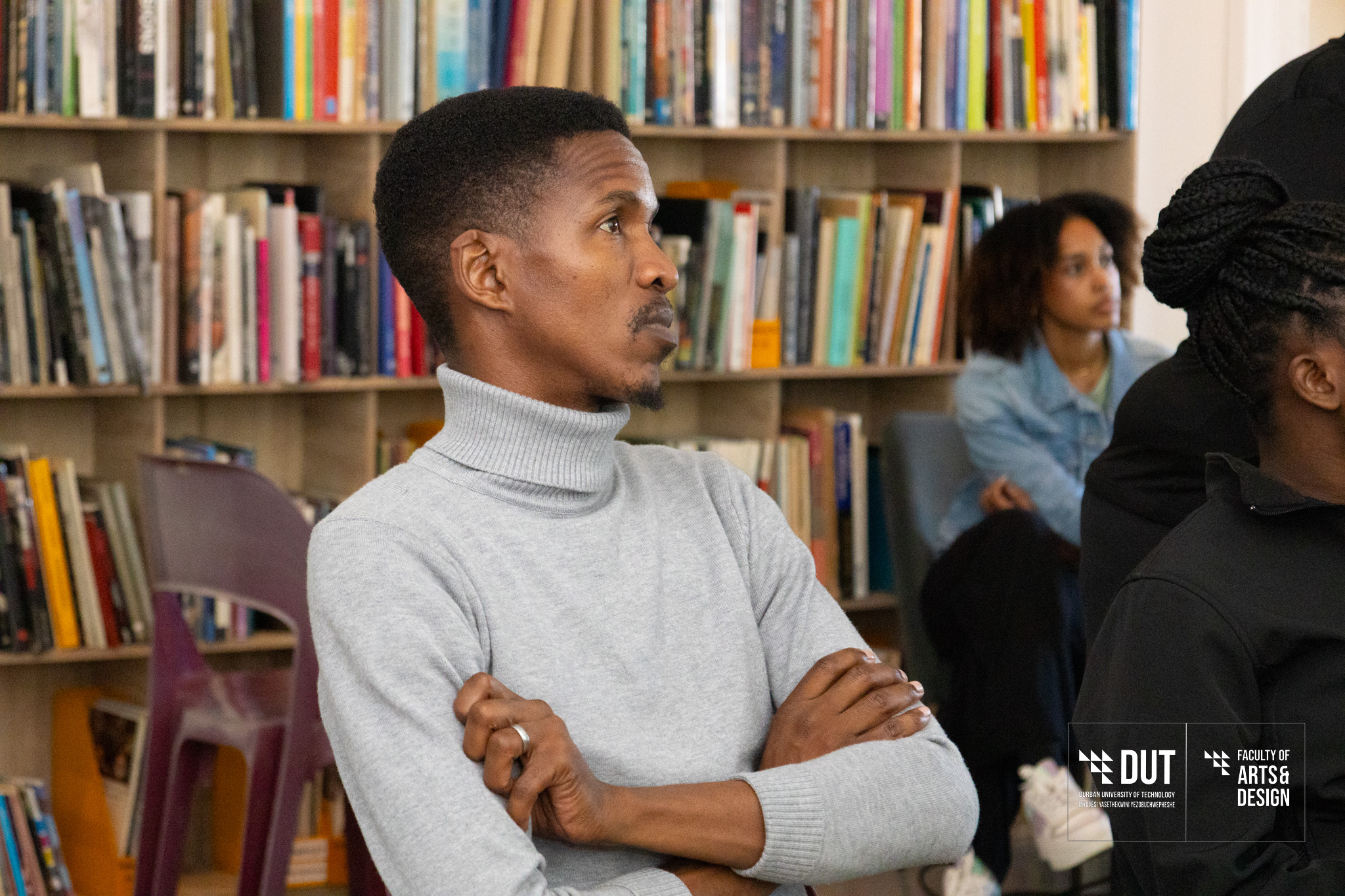
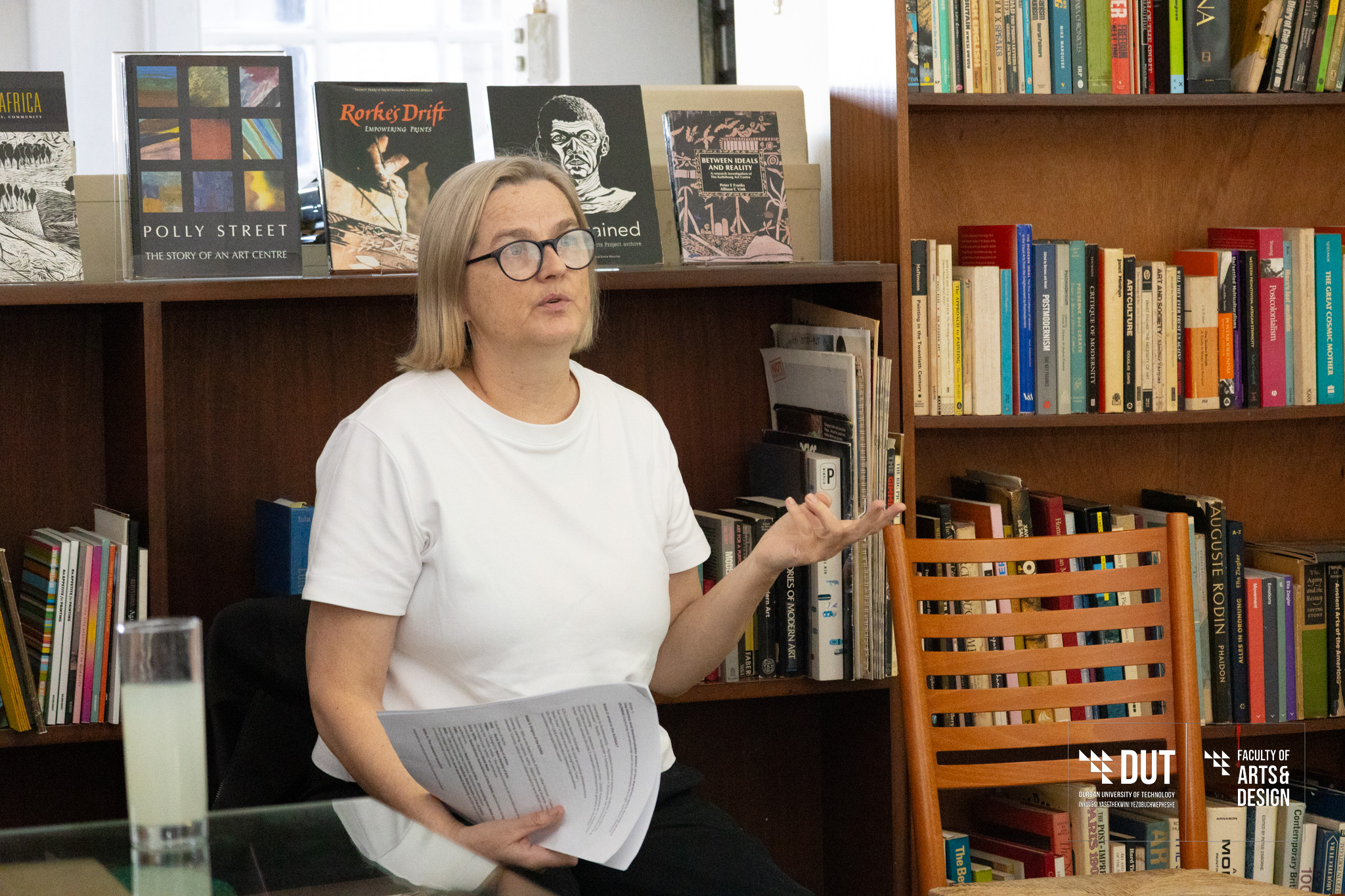
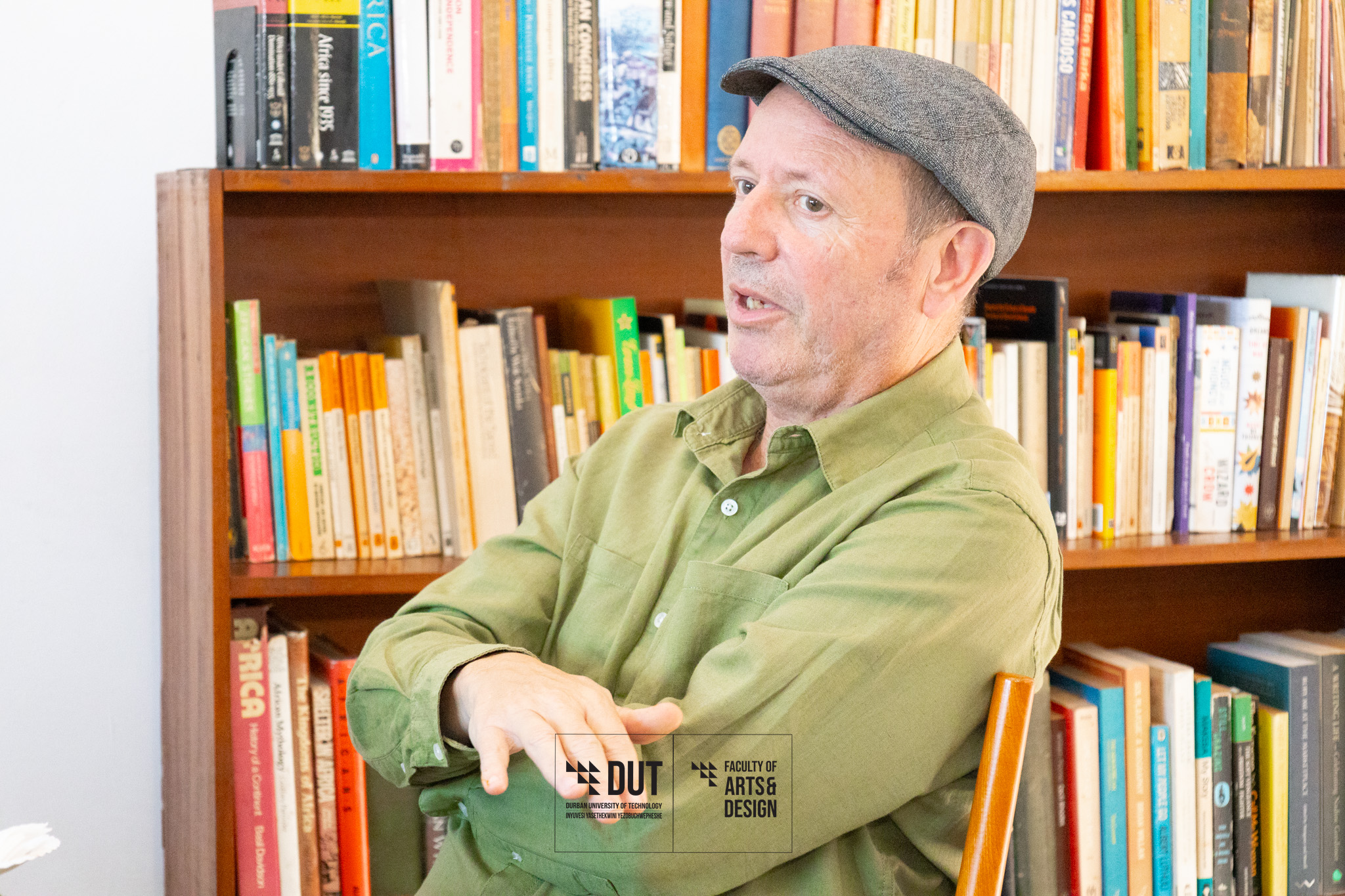
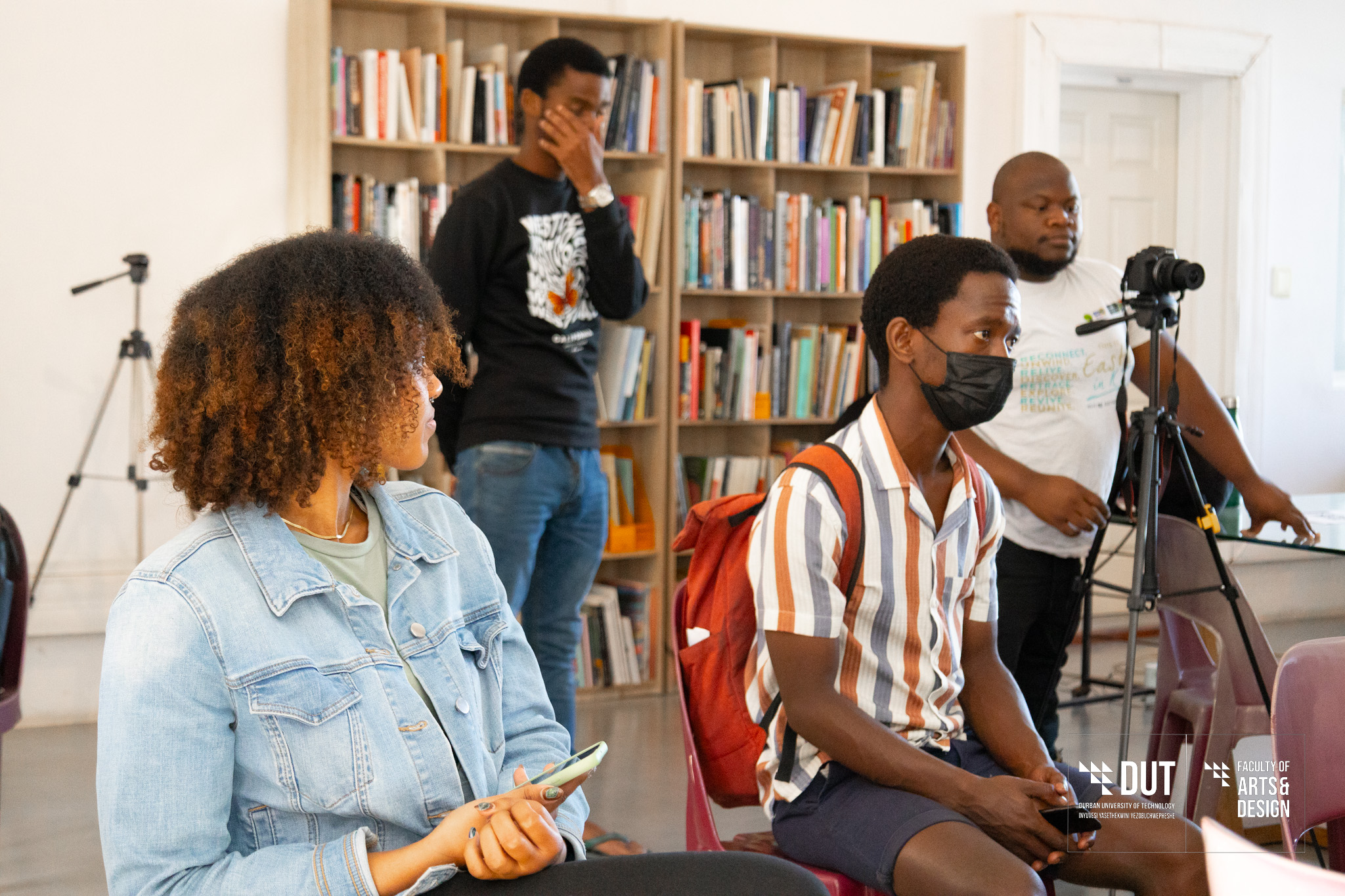
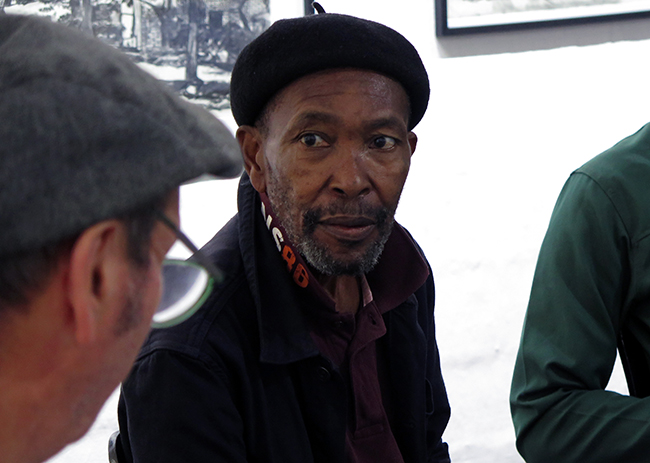
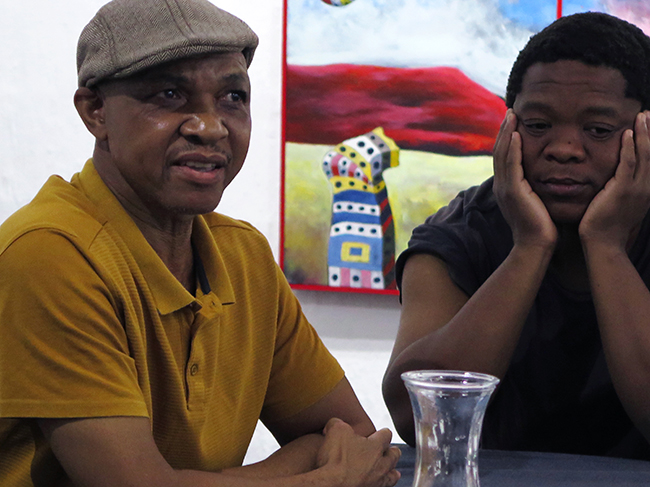
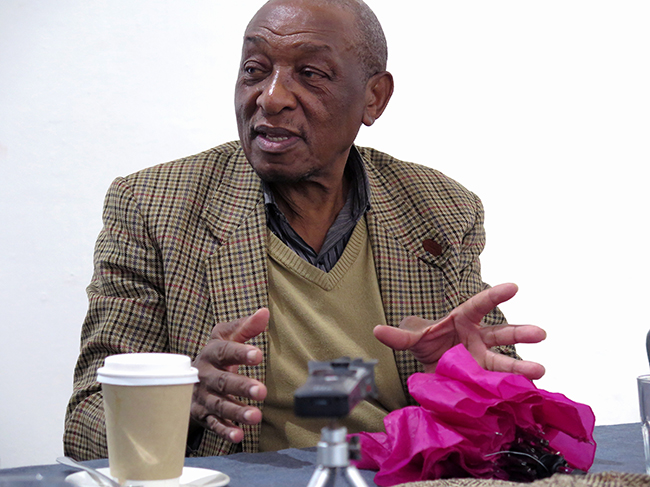
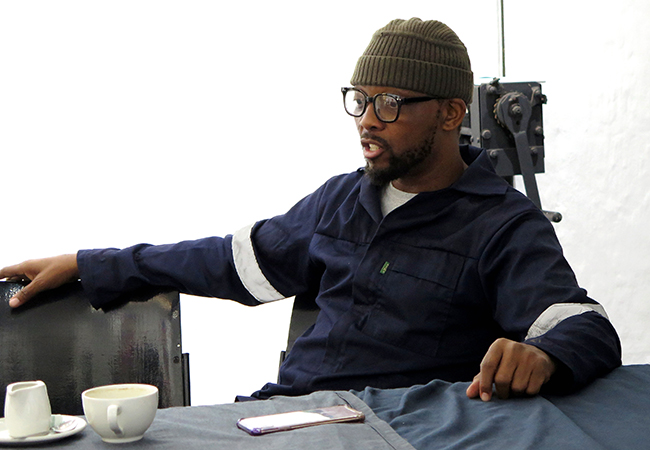
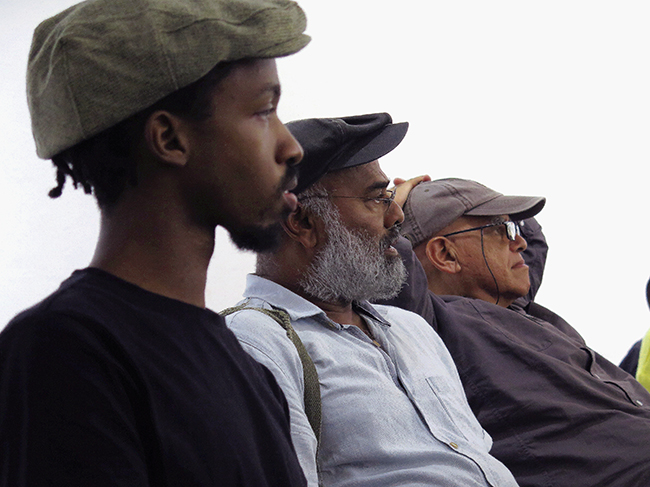
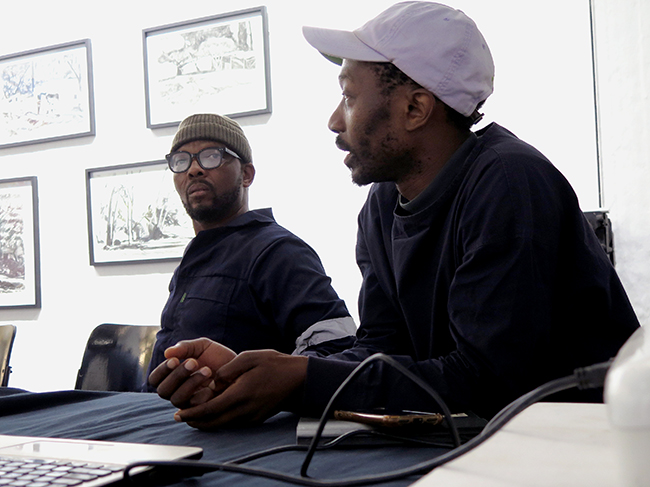
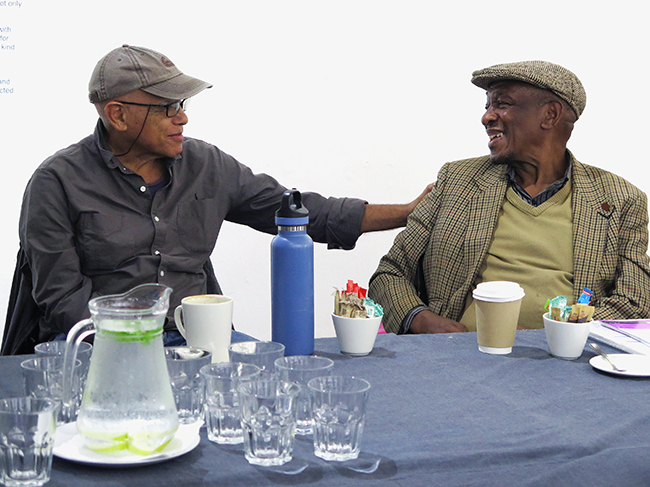
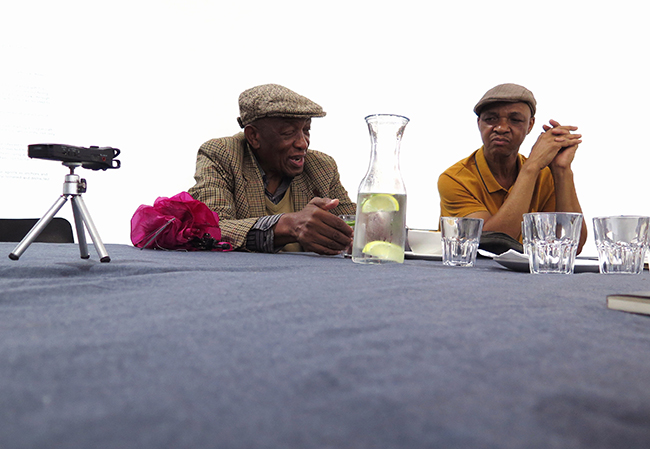
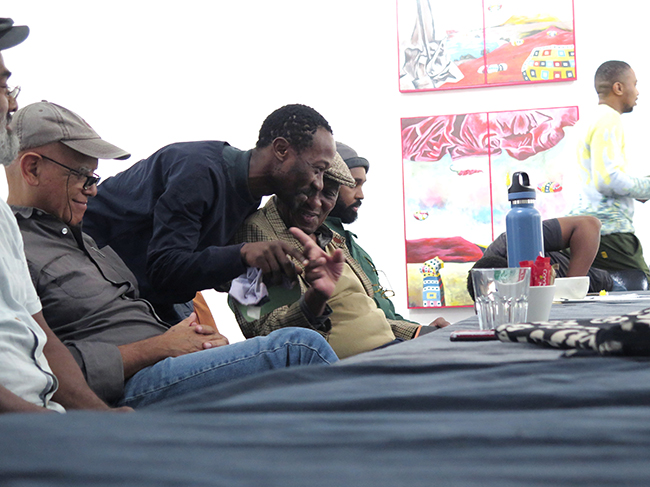
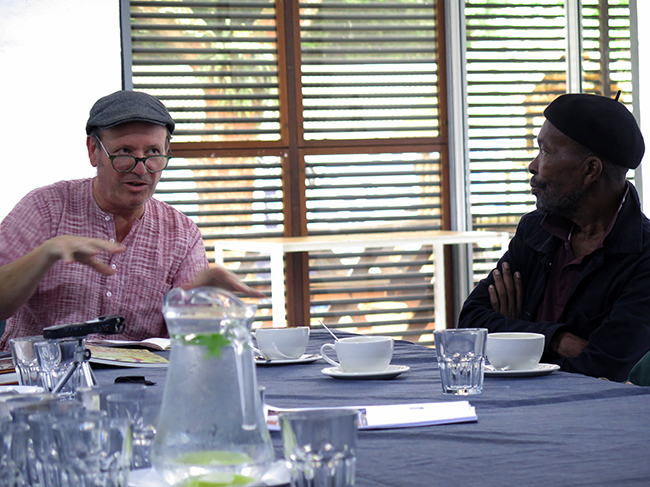
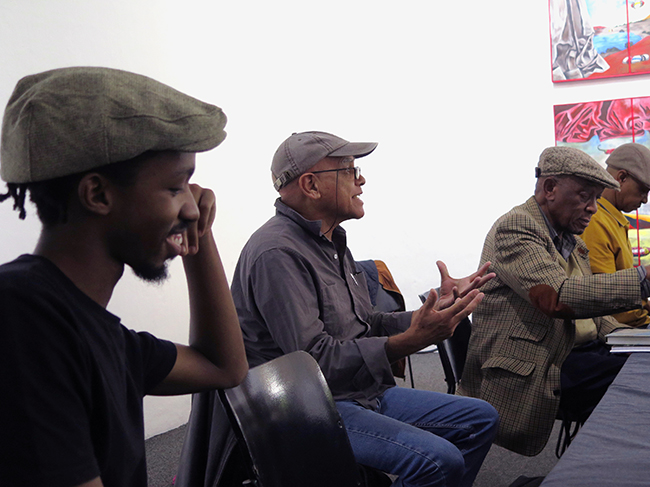
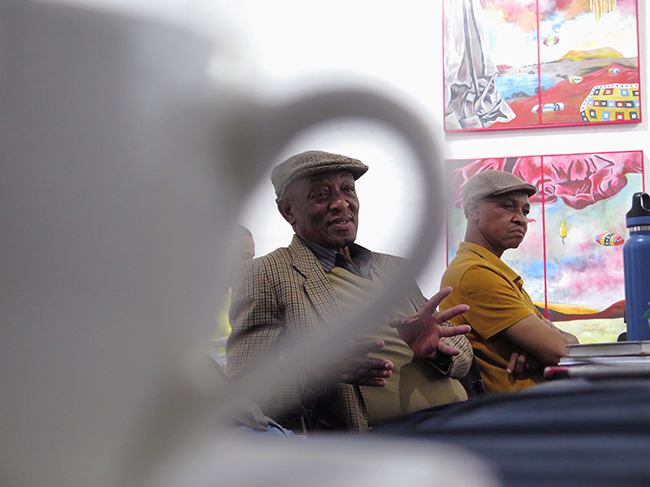
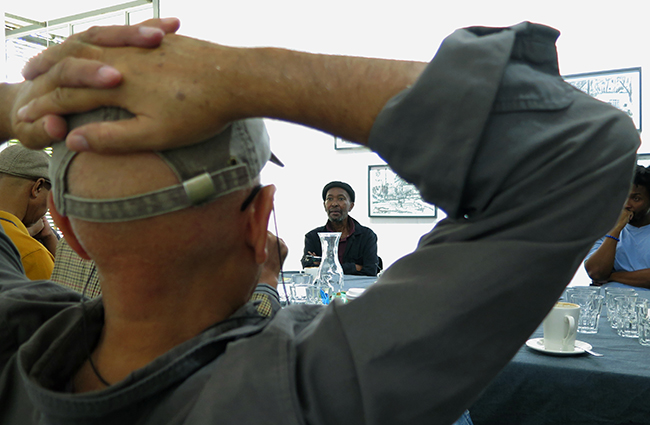
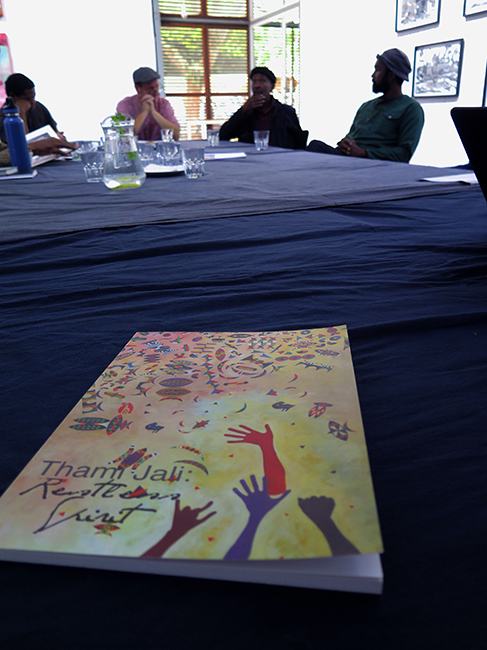
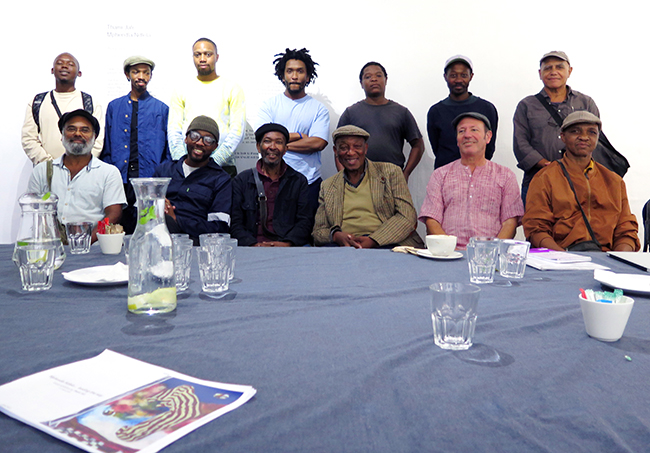
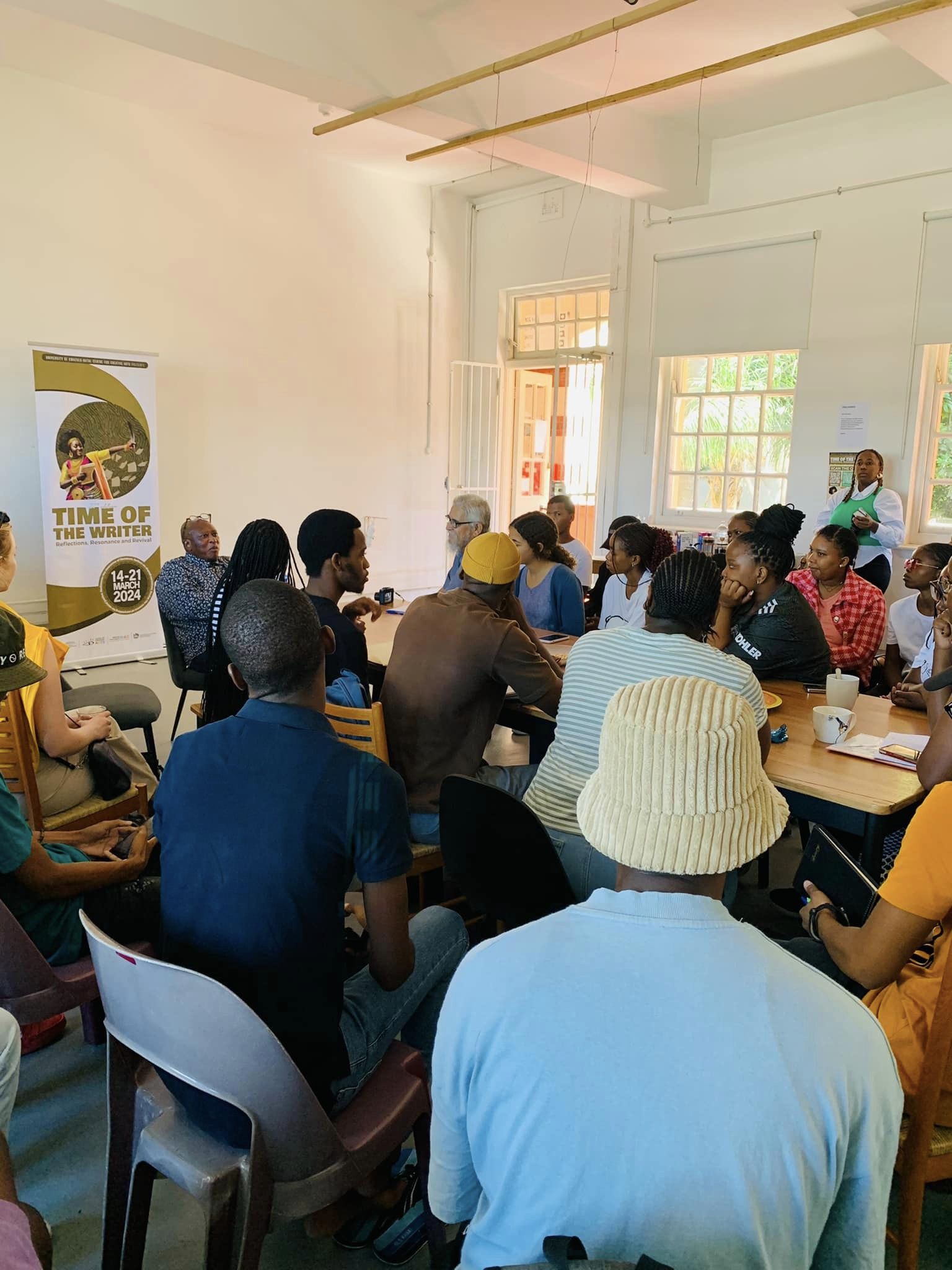
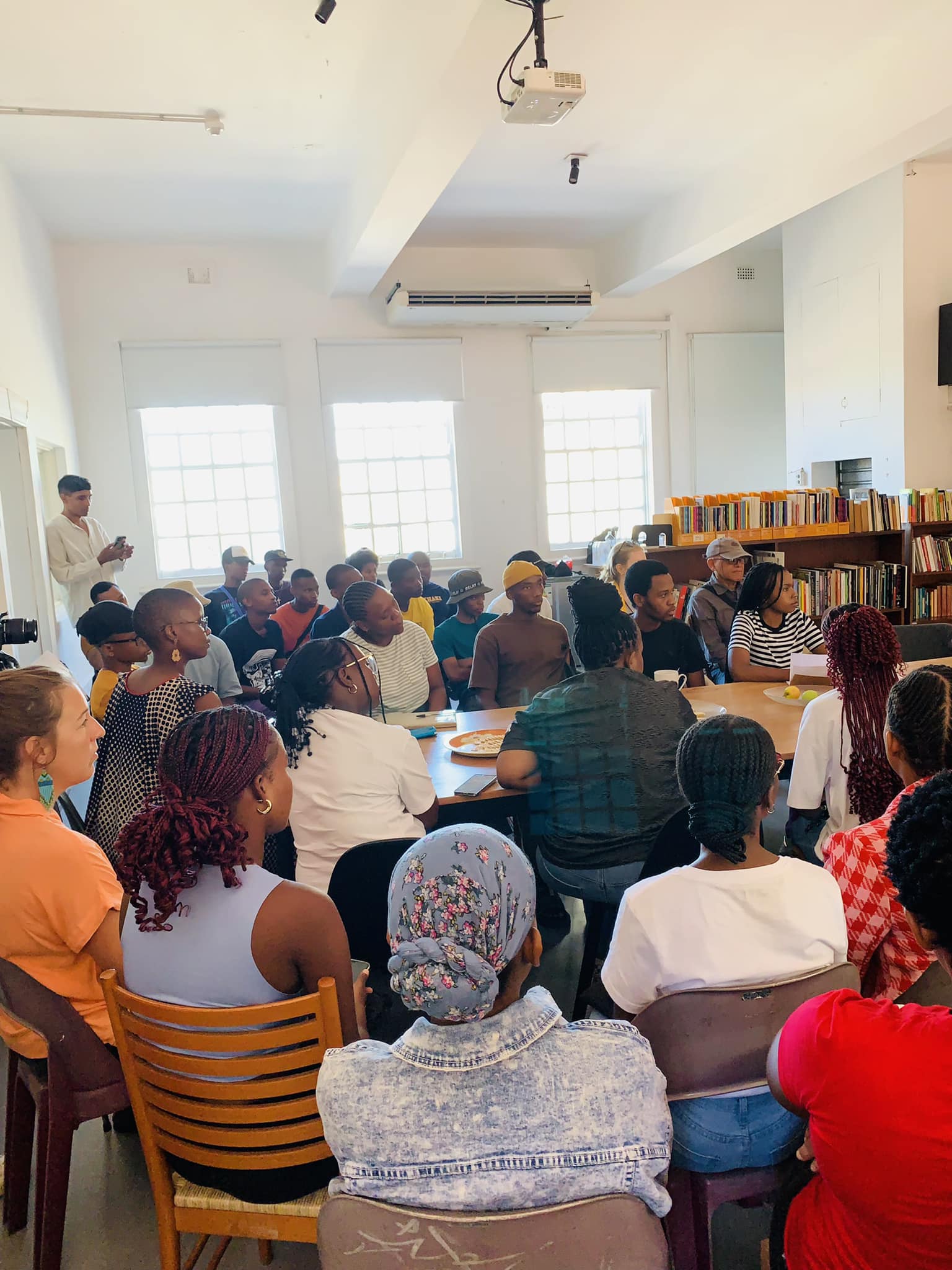
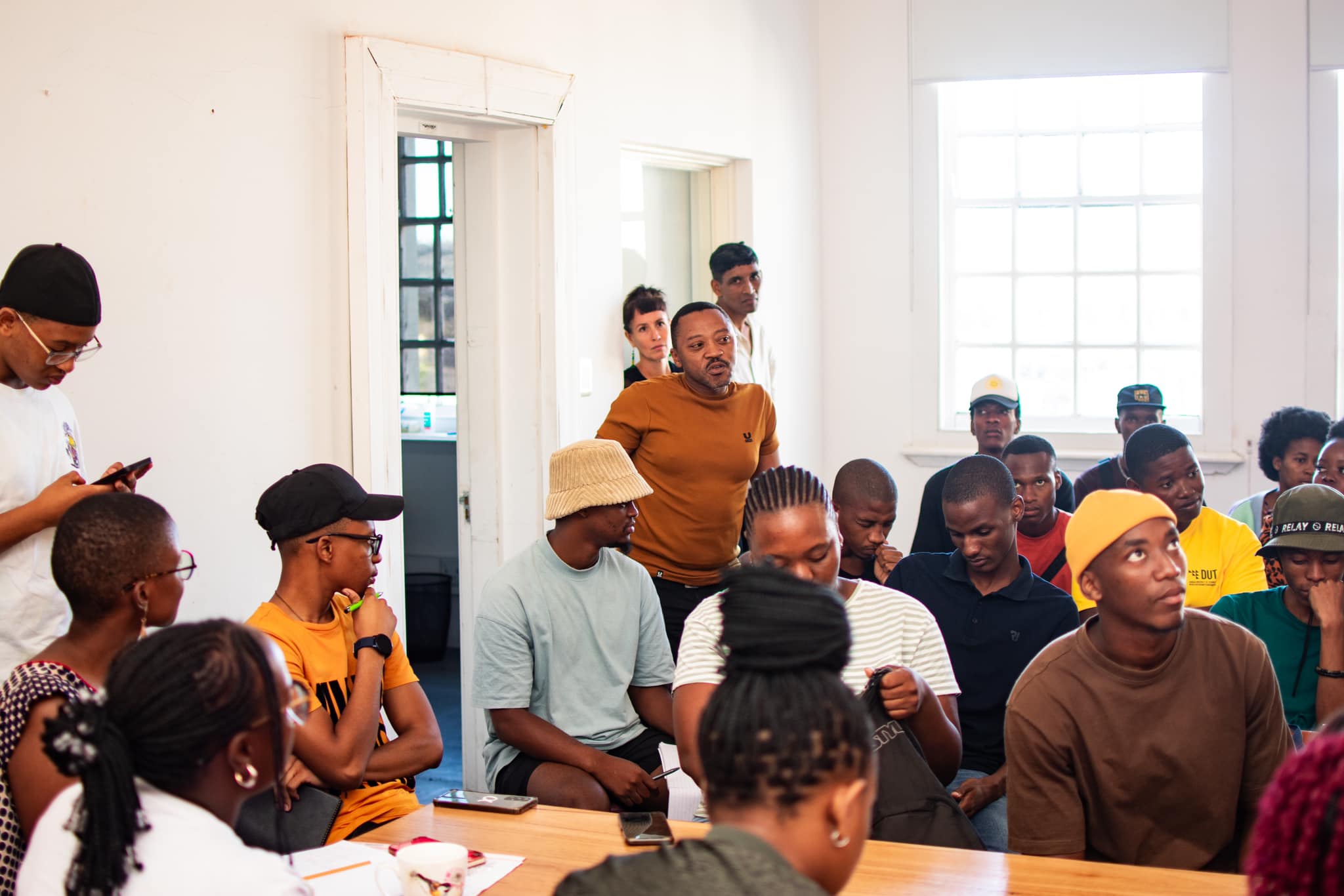
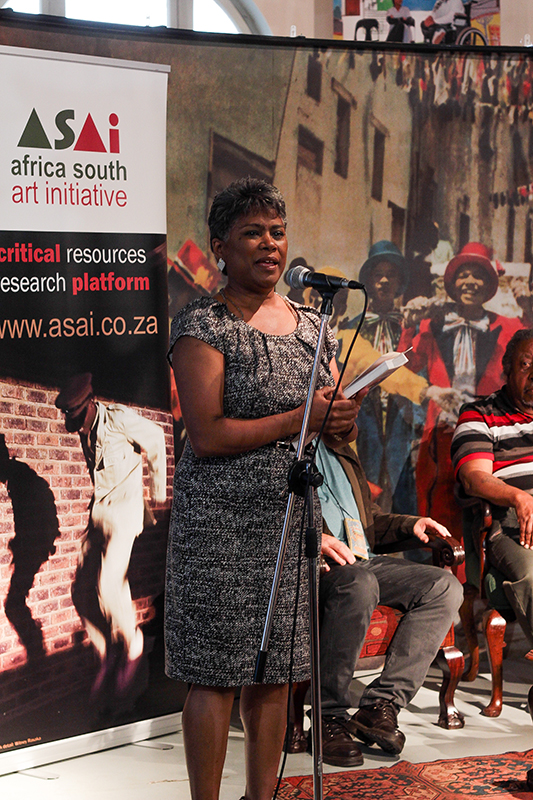
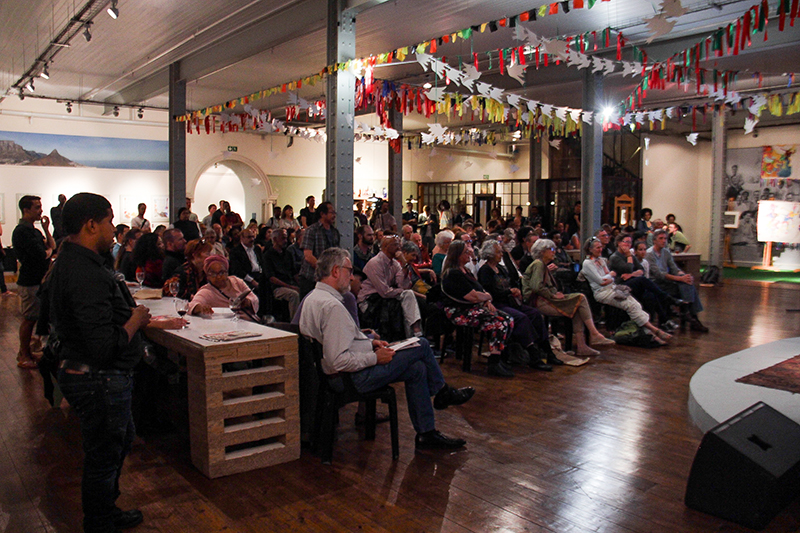
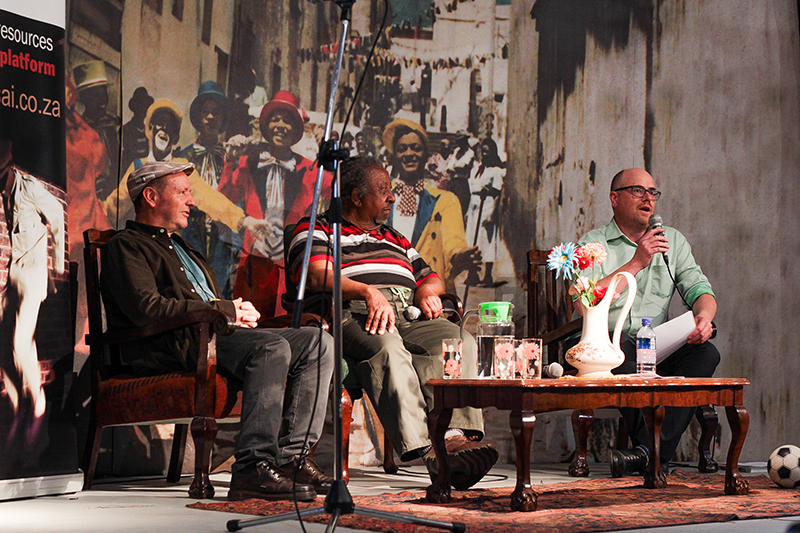
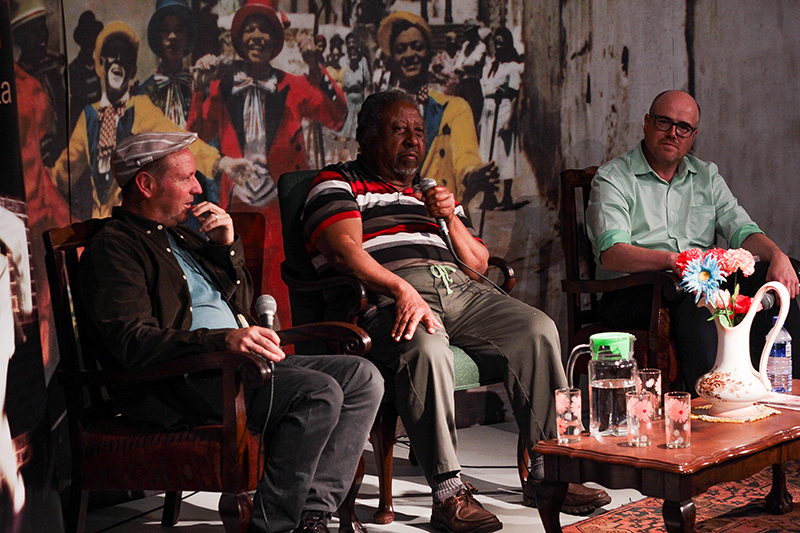
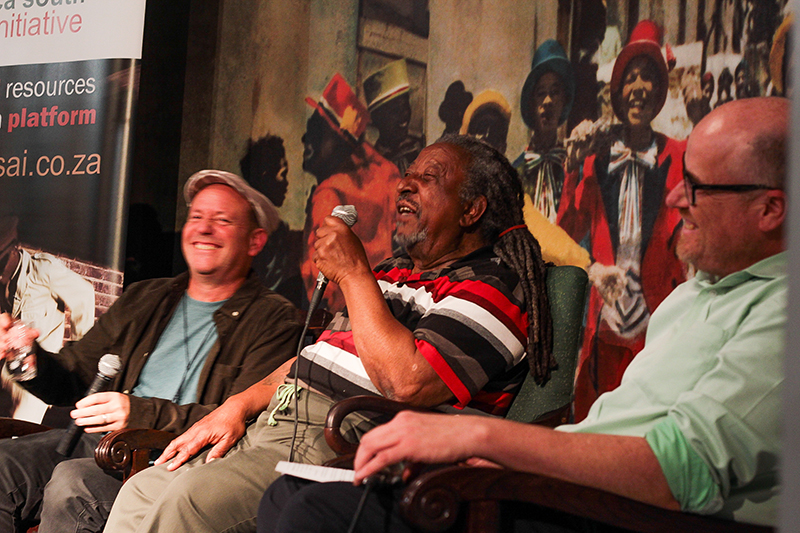
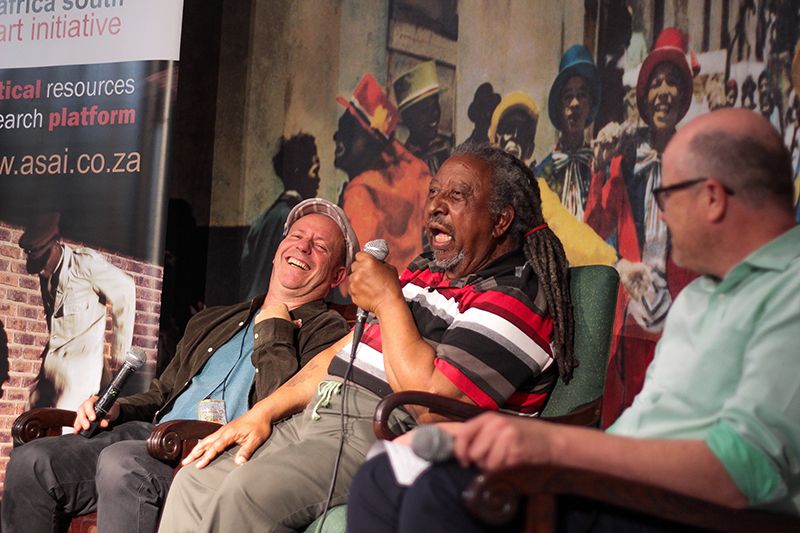
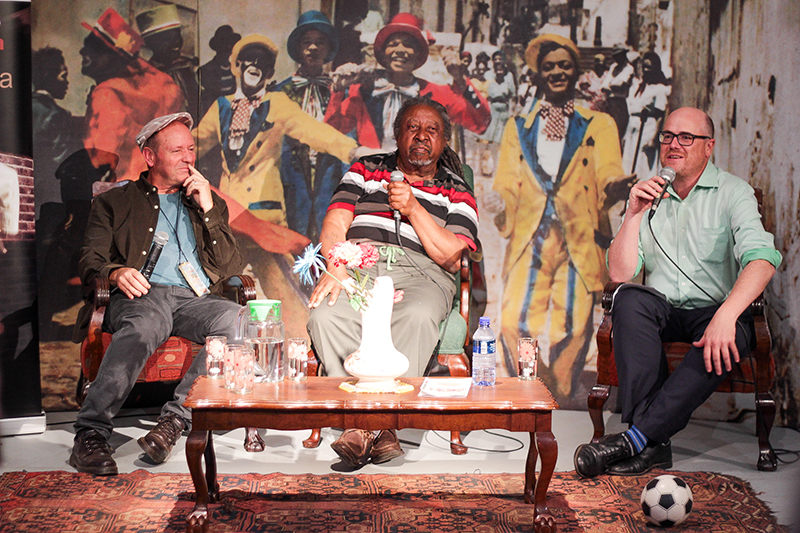
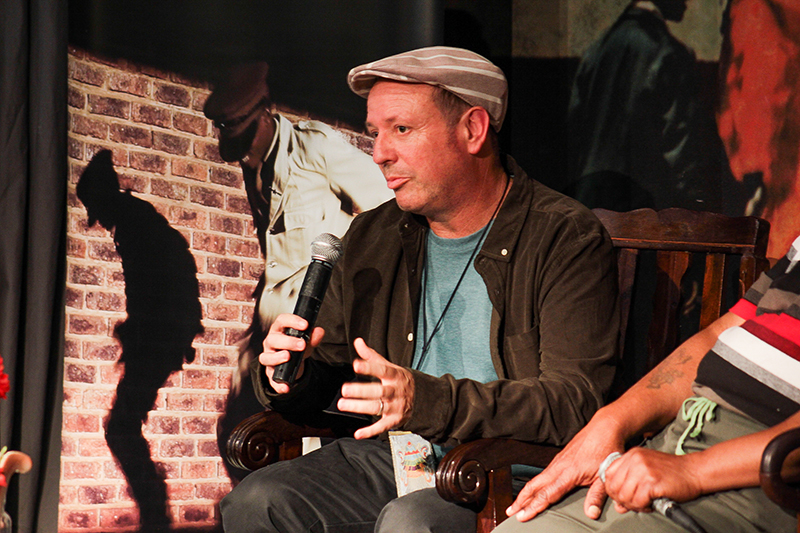
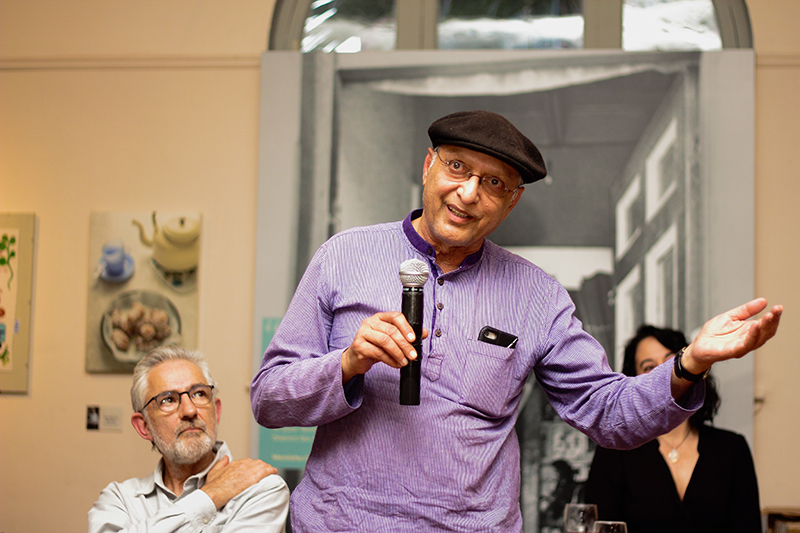
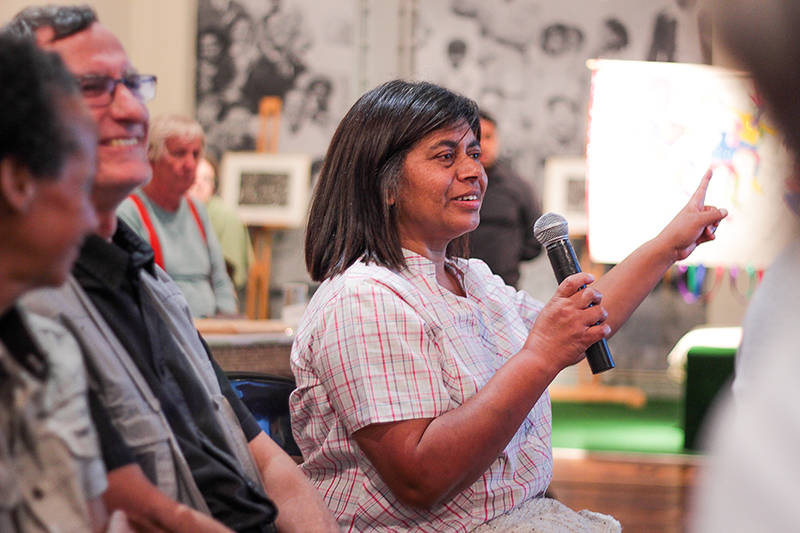
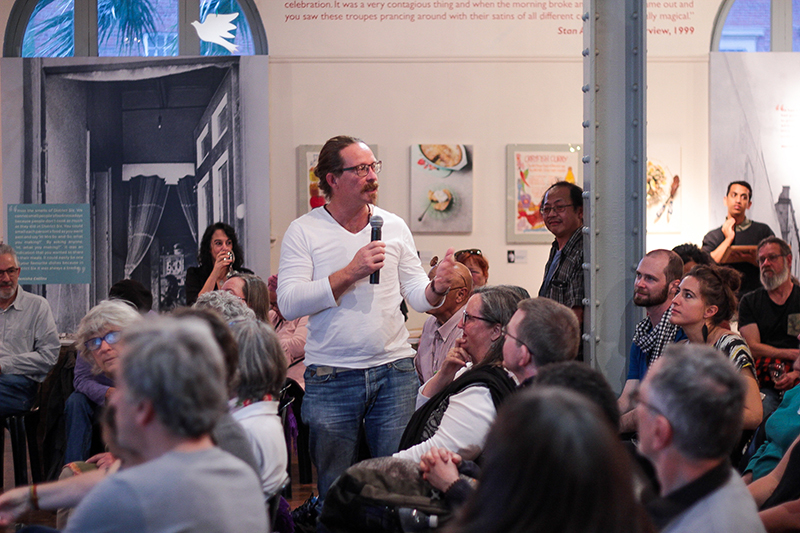
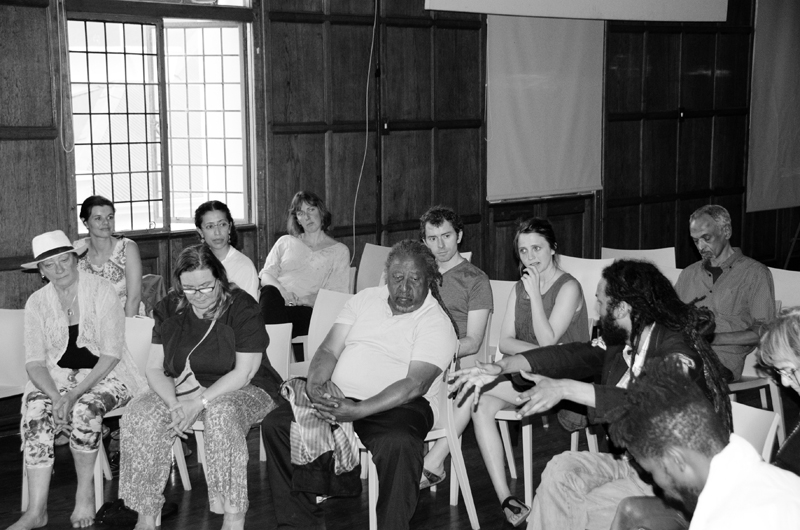
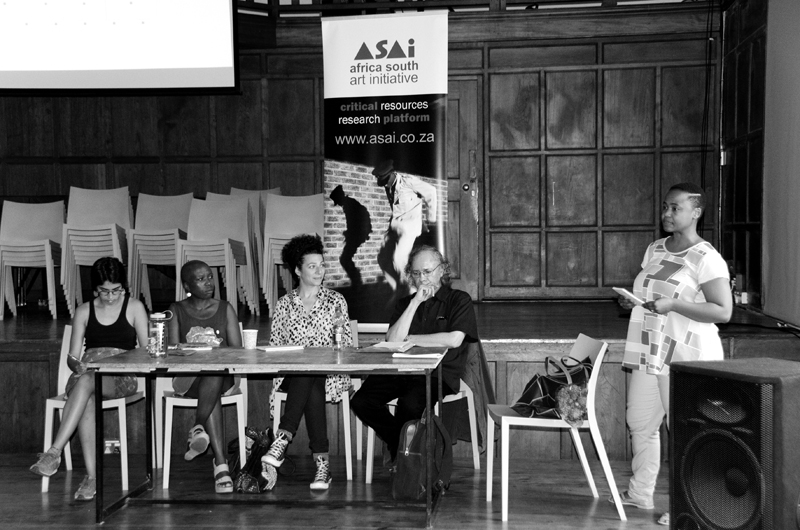
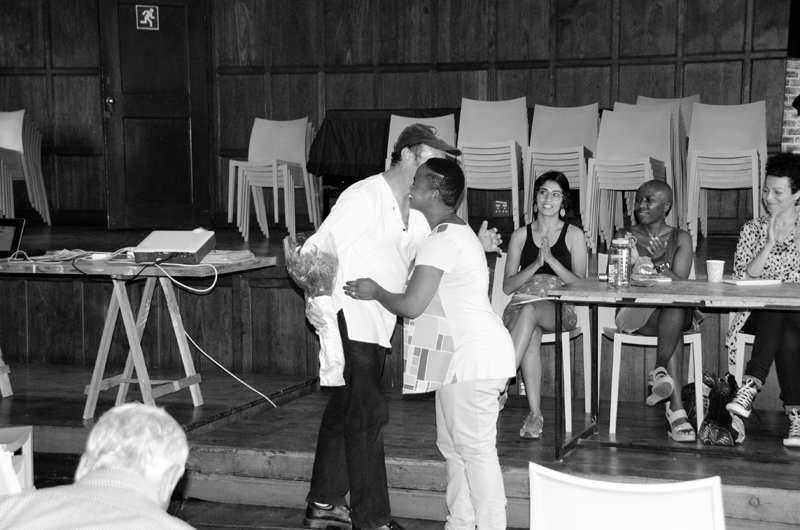
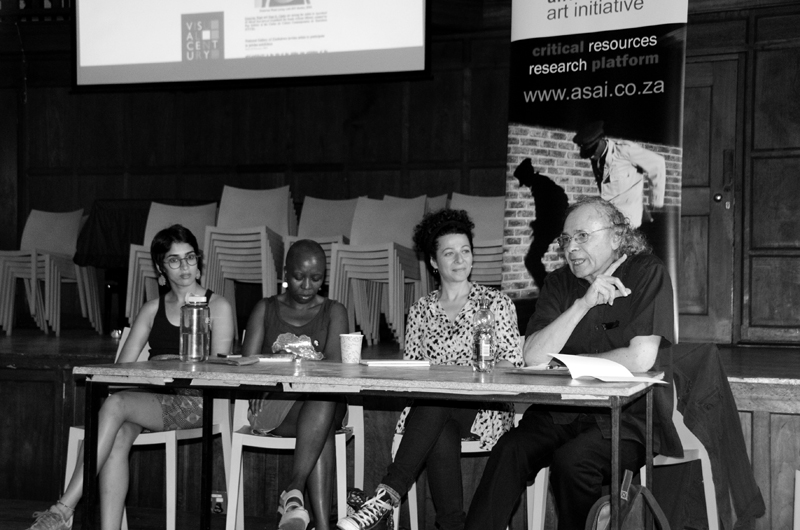
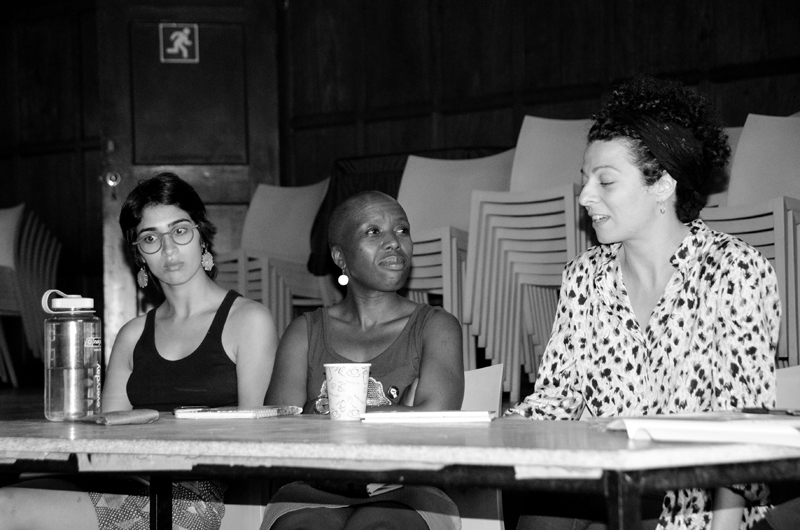
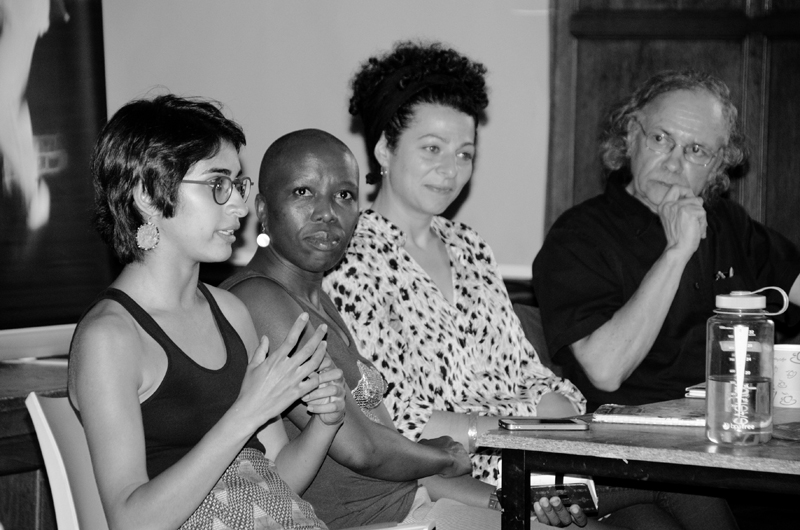
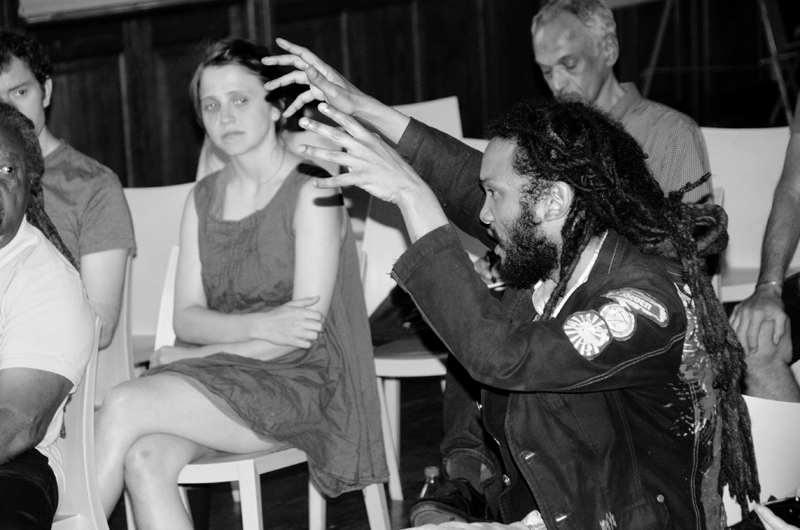
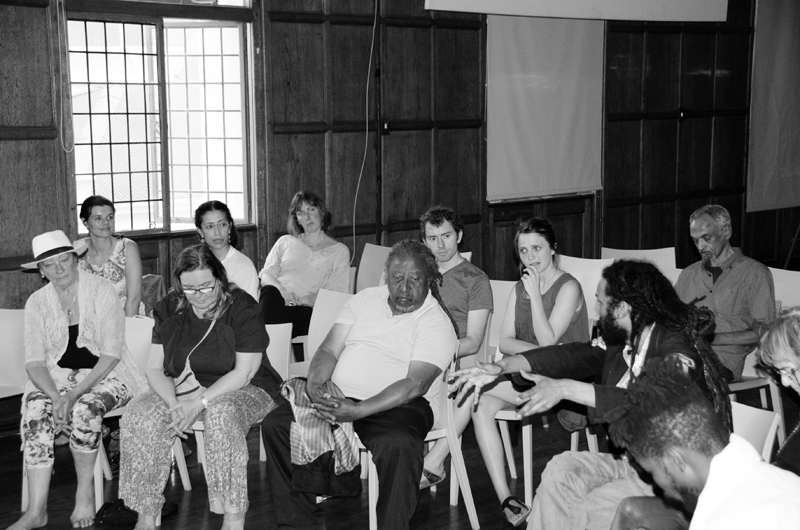
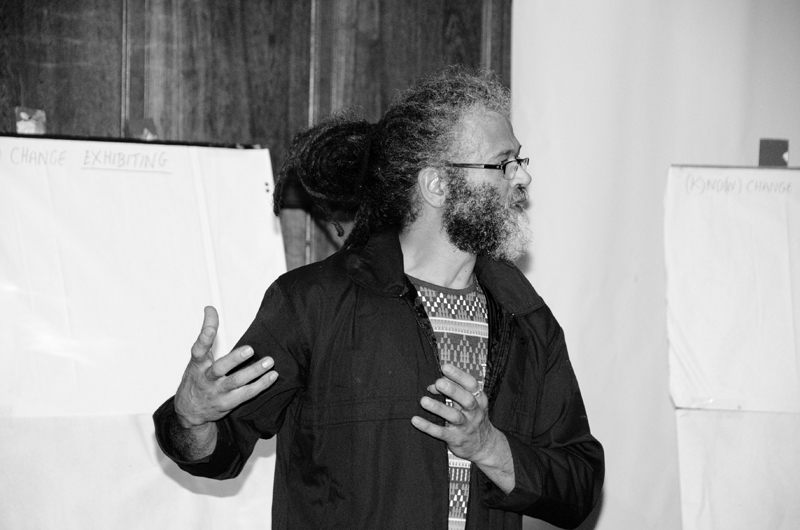
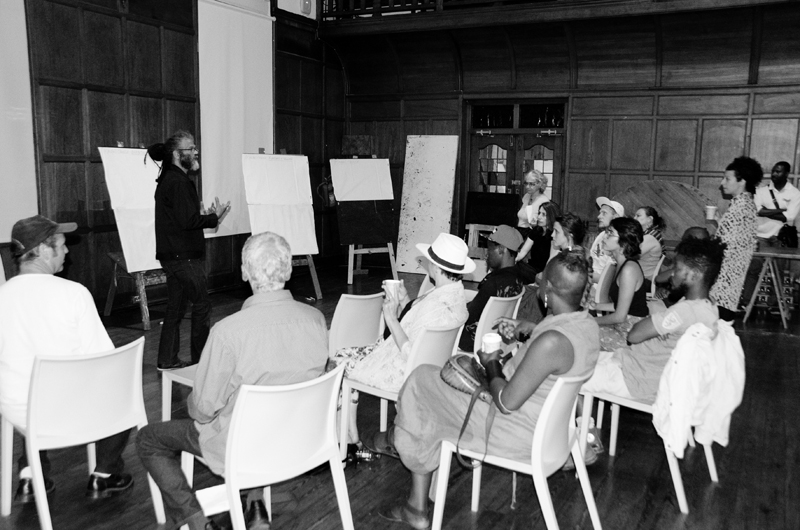
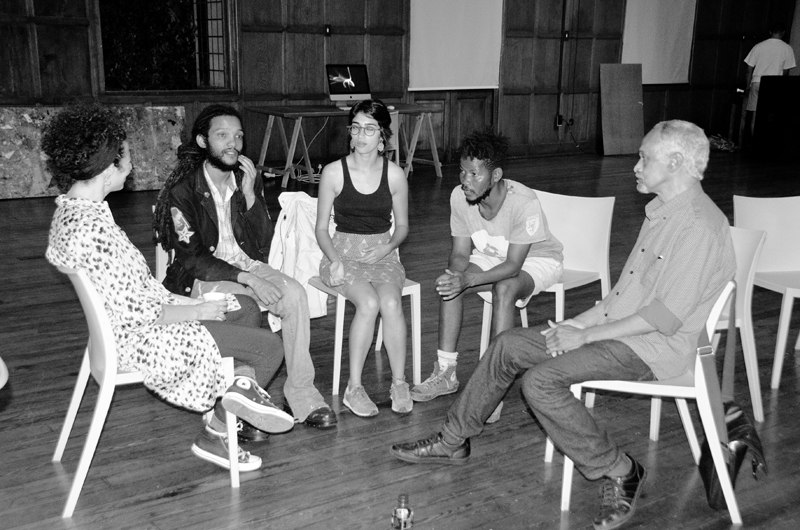
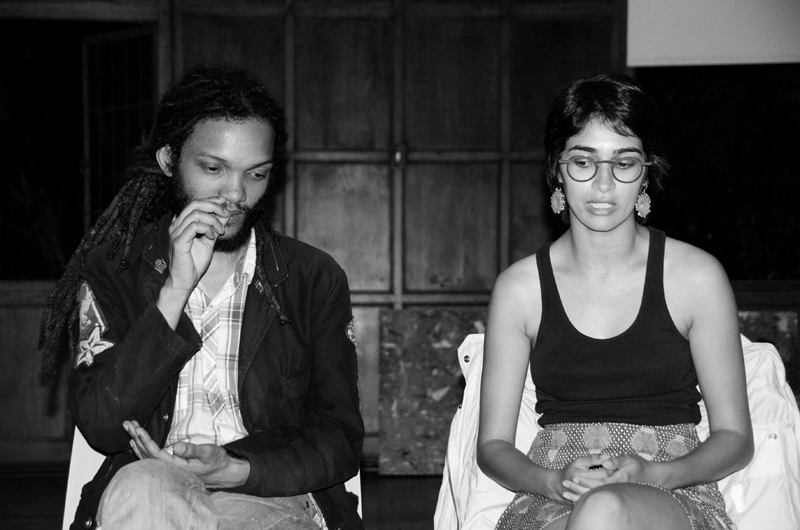
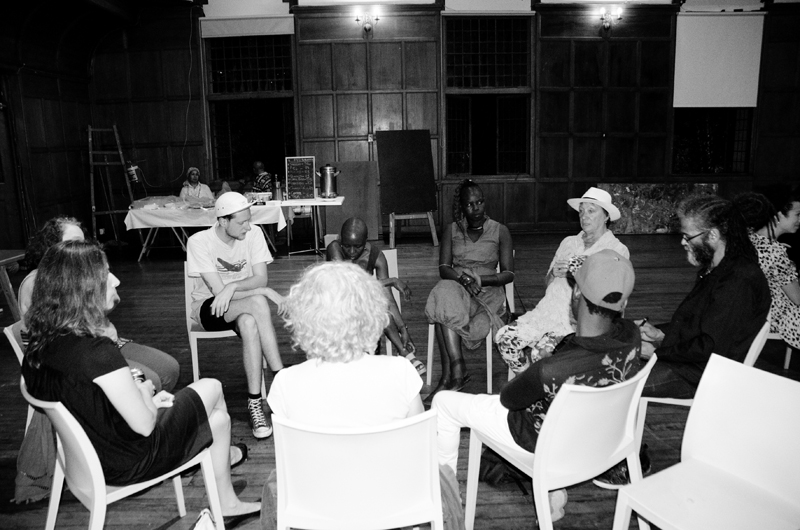
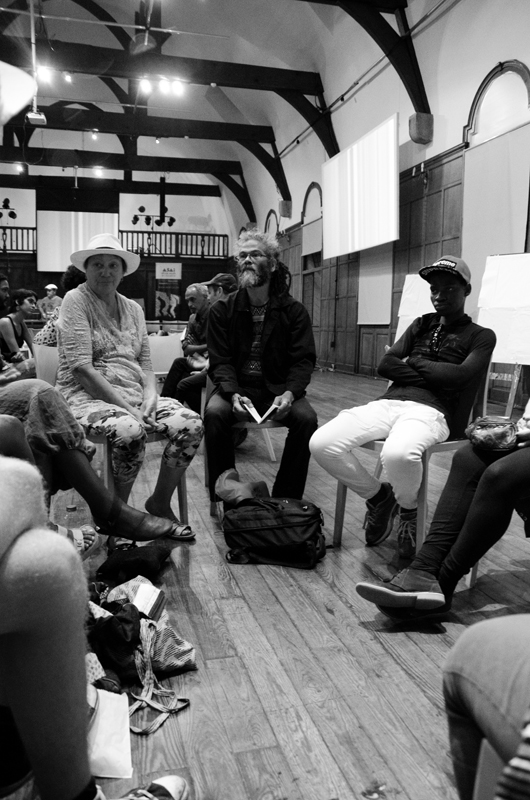
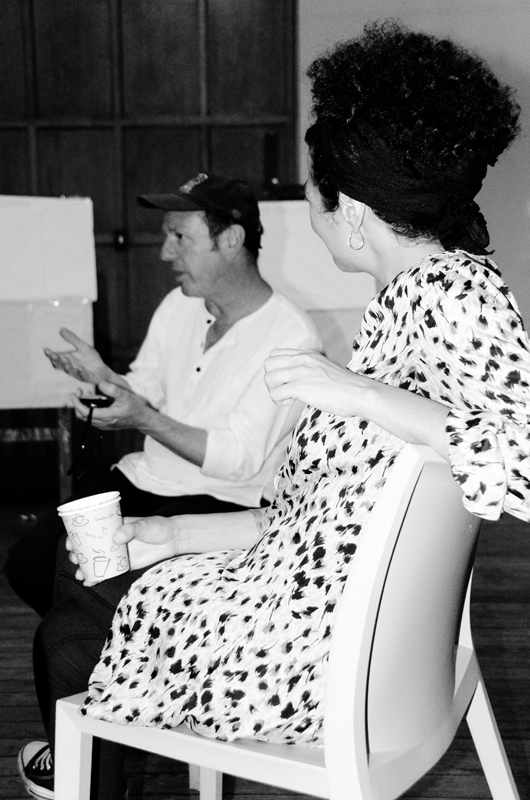
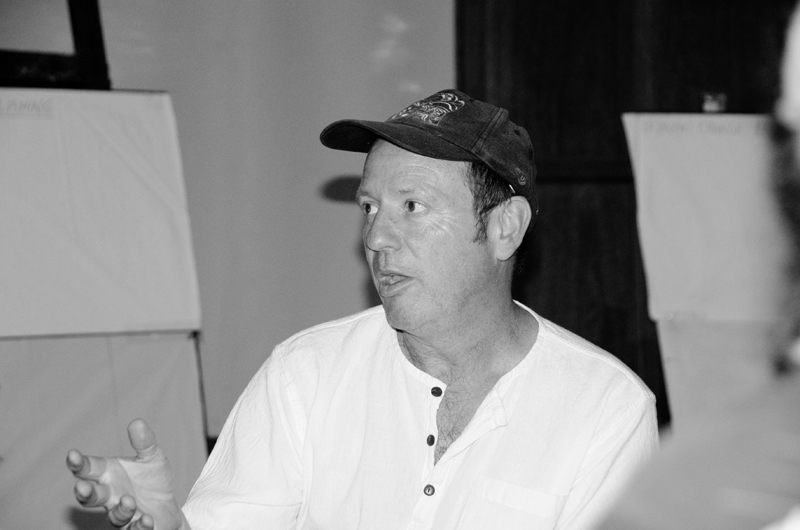
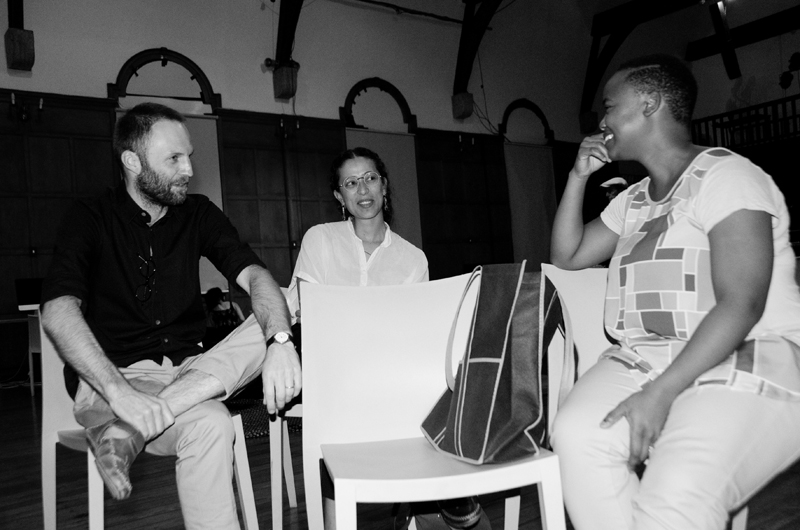
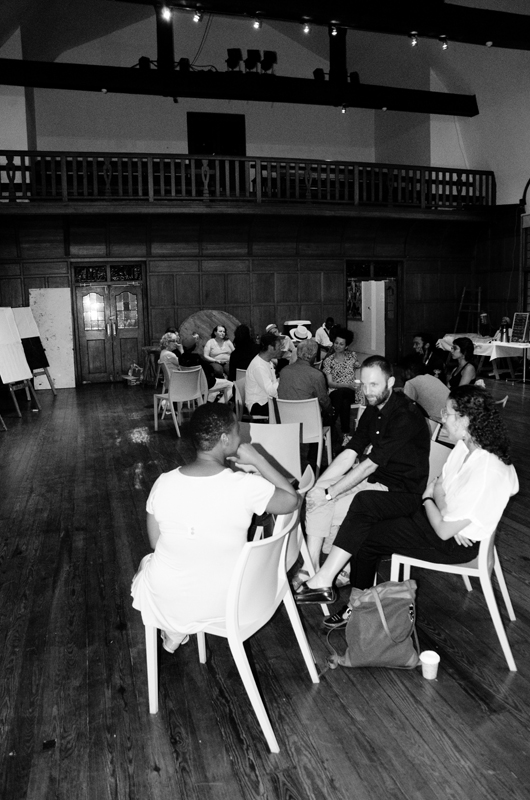
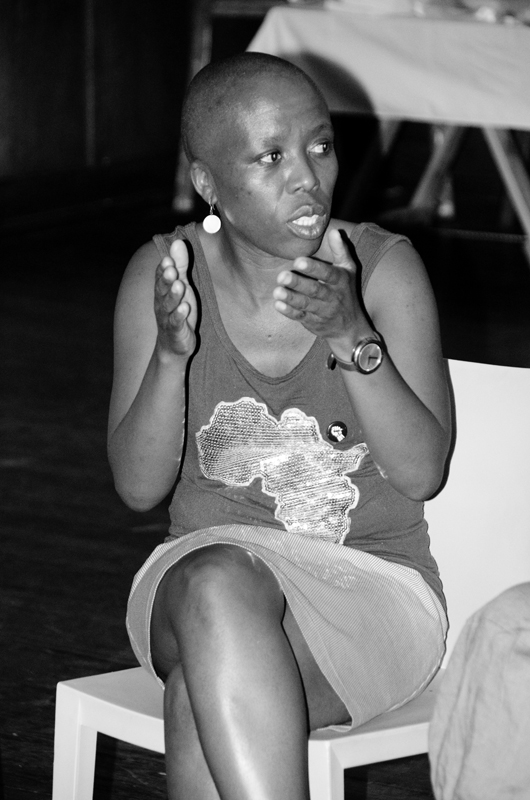
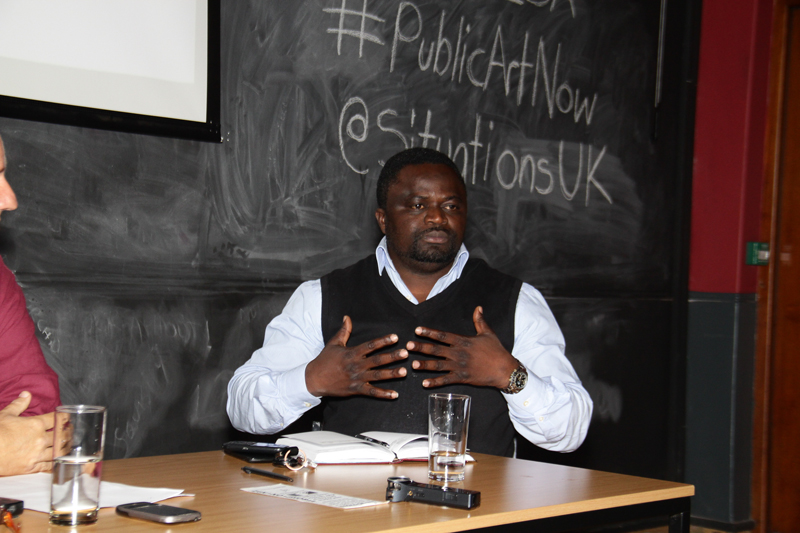
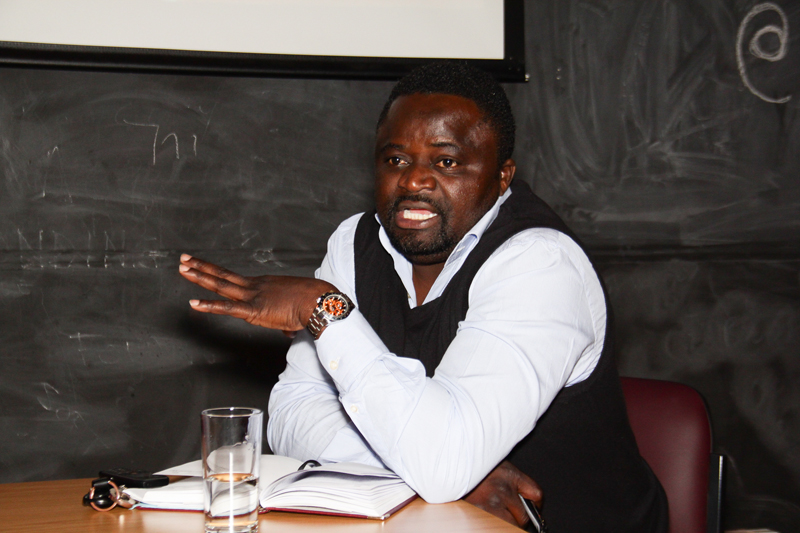
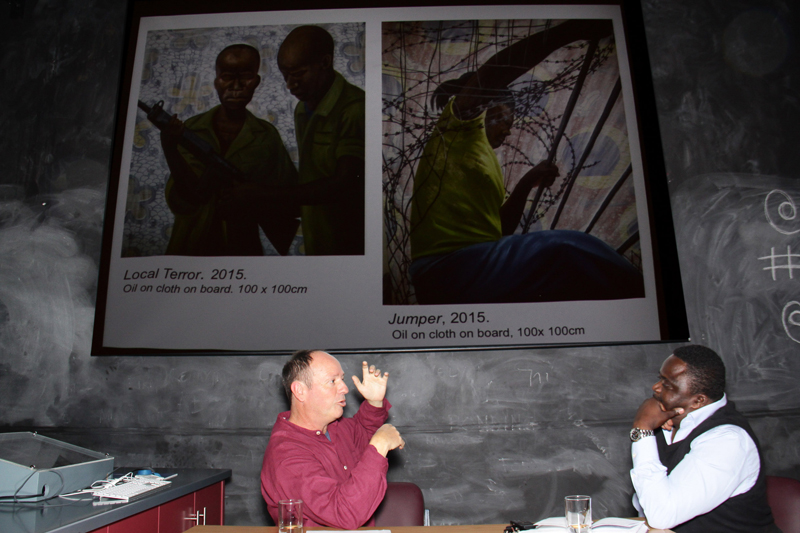
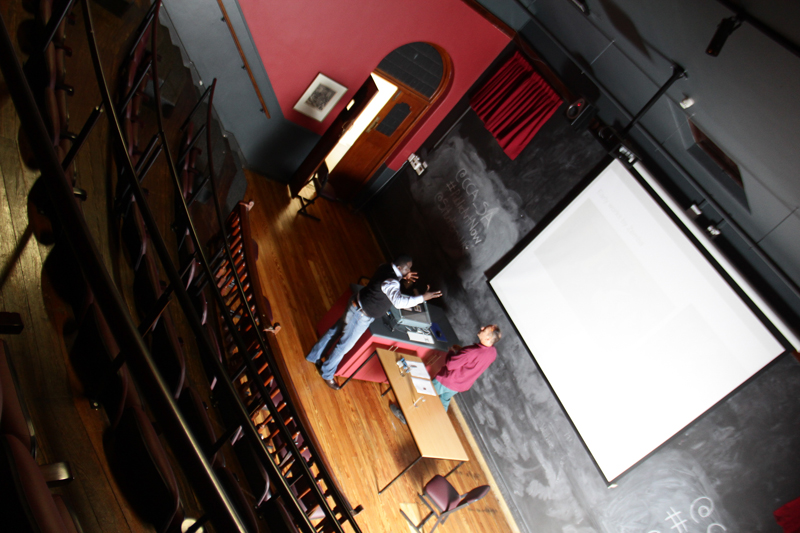
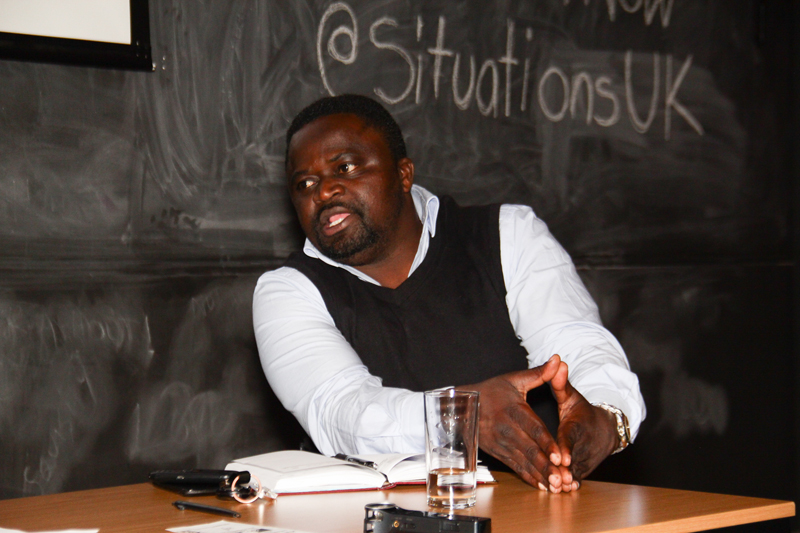
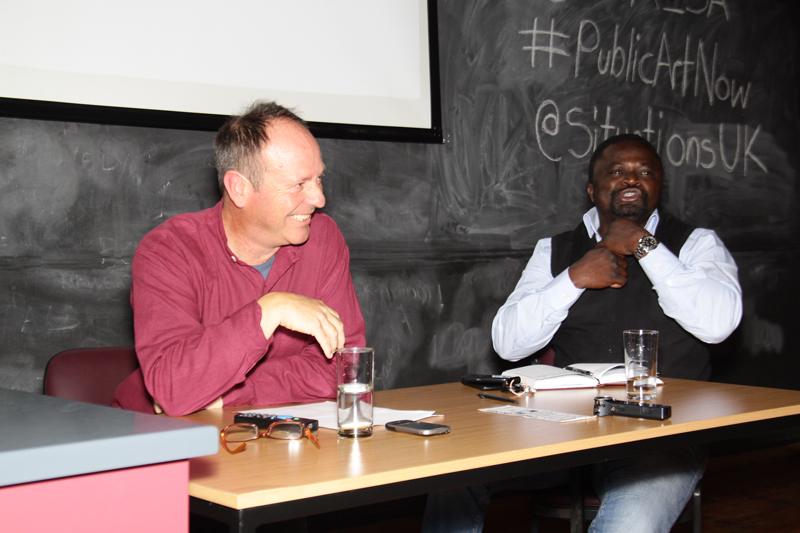
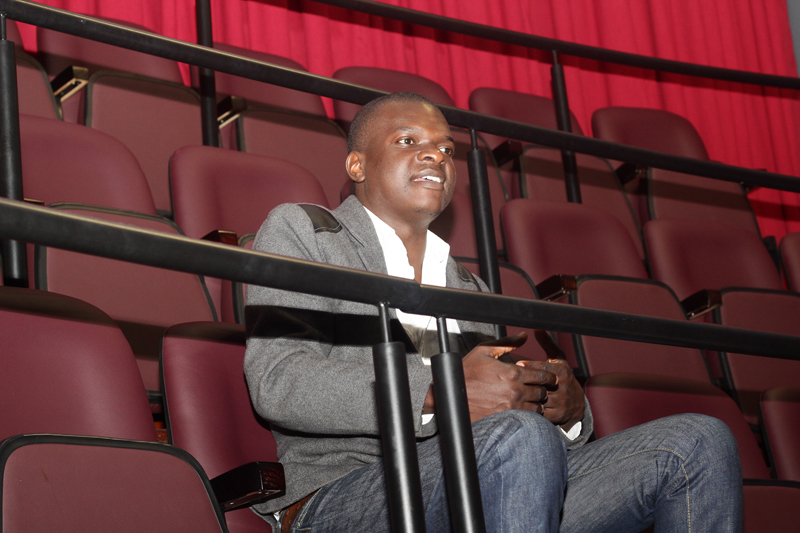
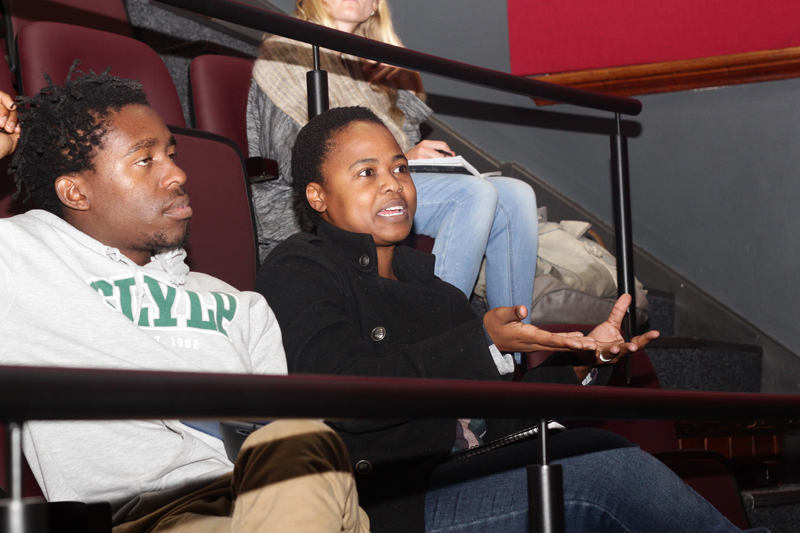
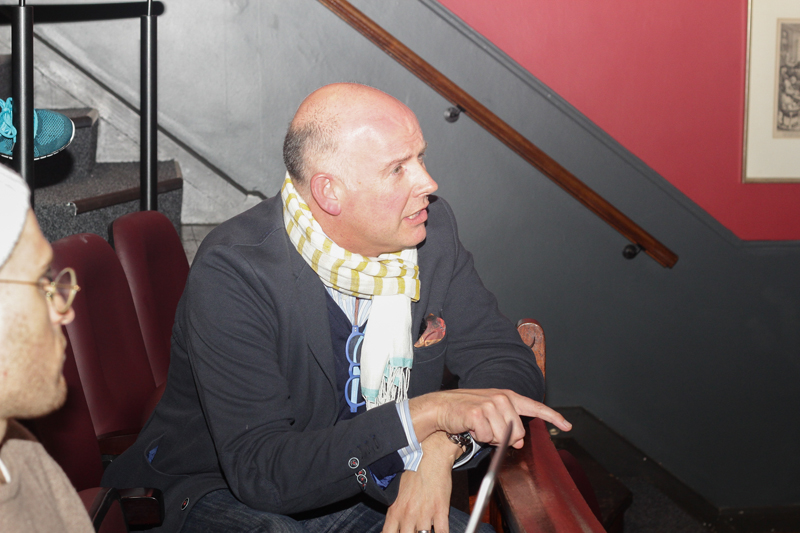
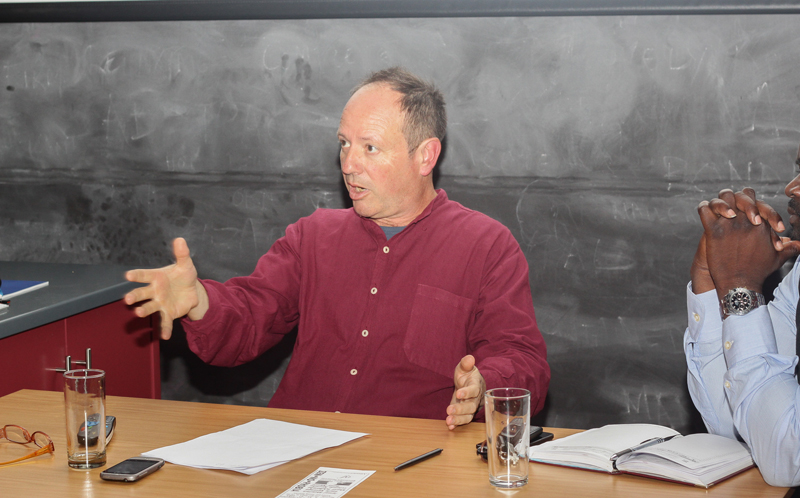
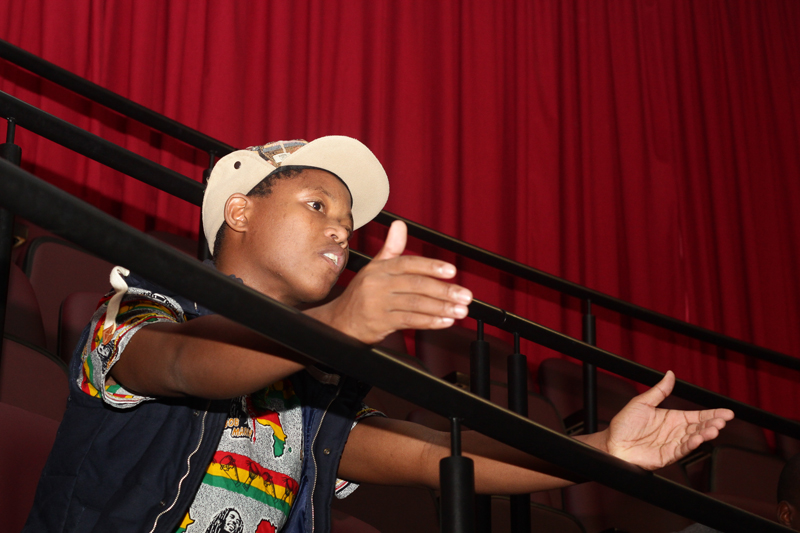
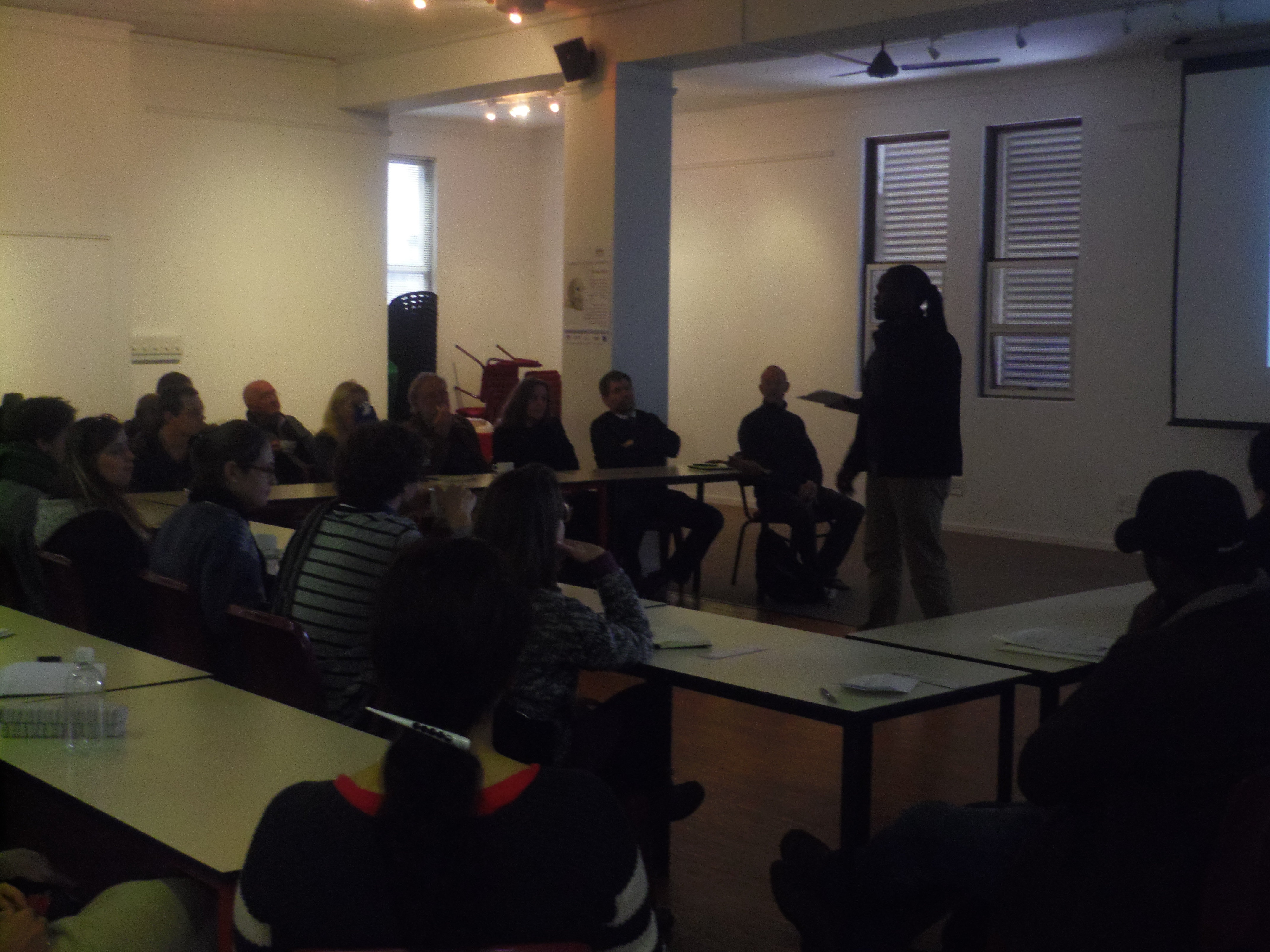
How to be an artist in Durban gathered a cross-section of multi-generational visual artists to reflect on the realities, challenges, and possibilities of sustaining an artistic practice in Durban. This discussion formed part of the Art Resource Centre Events Programme’s broader inquiry into the conditions necessary for arts organisations and artists to not only endure, but to thrive and influence the field from below.

The panel addressed such questions as: is there an art market in Durban, or does one need to engage markets elsewhere? Can one work full-time as an artist in Durban, or does one need a side hustle? Have the conditions in Durban been stable, or are there new challenges and opportunities that earlier generations did not face?

Moderated by: Selloane Moeti
Panelists:
John Roome (Artist)
Thalente Khomo (Artist)
Thobekile Shange (Artist and mentor)
Xola Mlandu (Artist and BAT Centre Visual Arts Coordinator)
Mthobisi Maphumulo (Artist and member of Amasosha Art Movement)

Date: Monday, 23rd February
Time: 12 PM
Venue: DUT City Campus, Room 107, the Art Resource Centre

Curating Durban, Art Resource Centre, (2026)

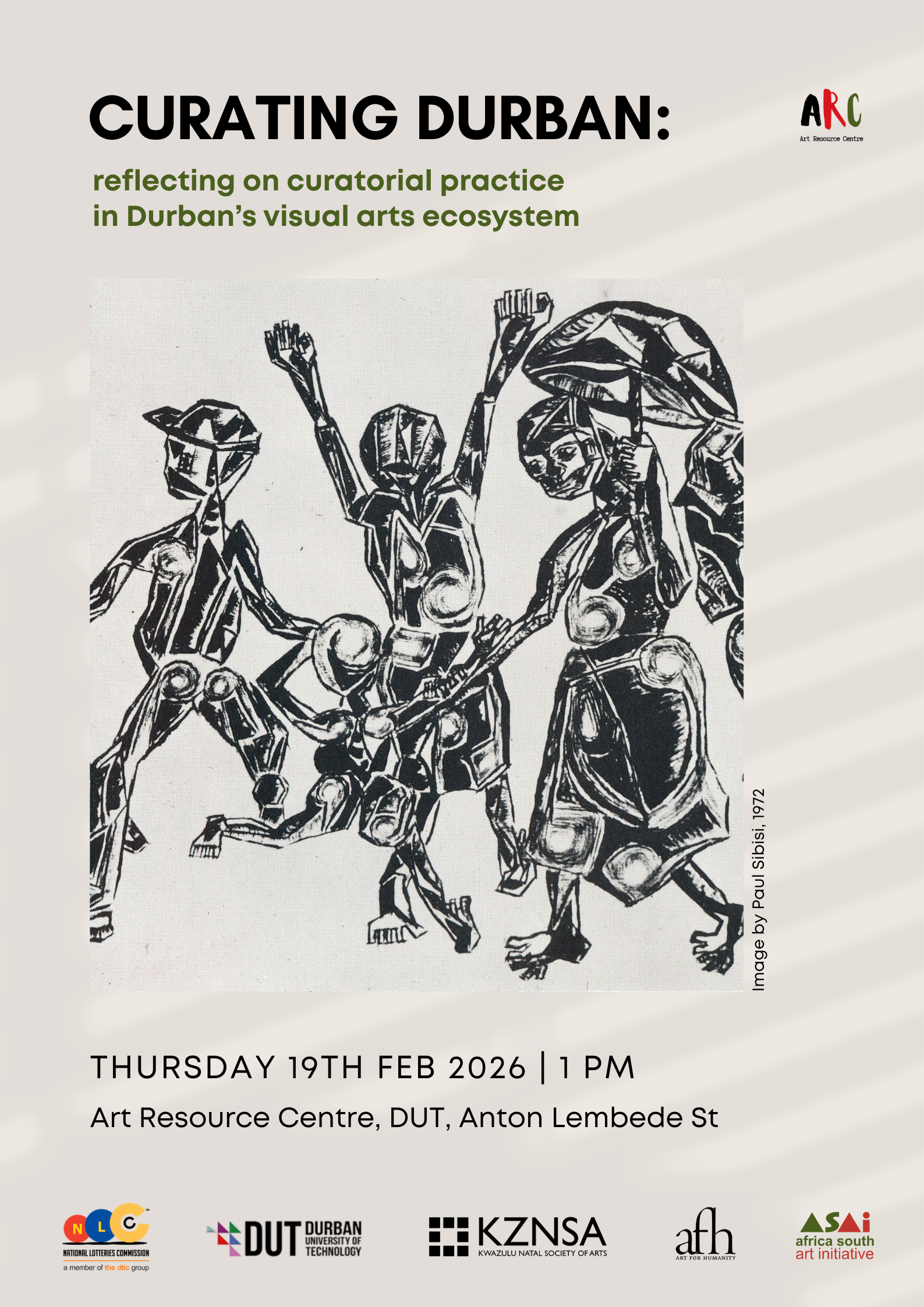
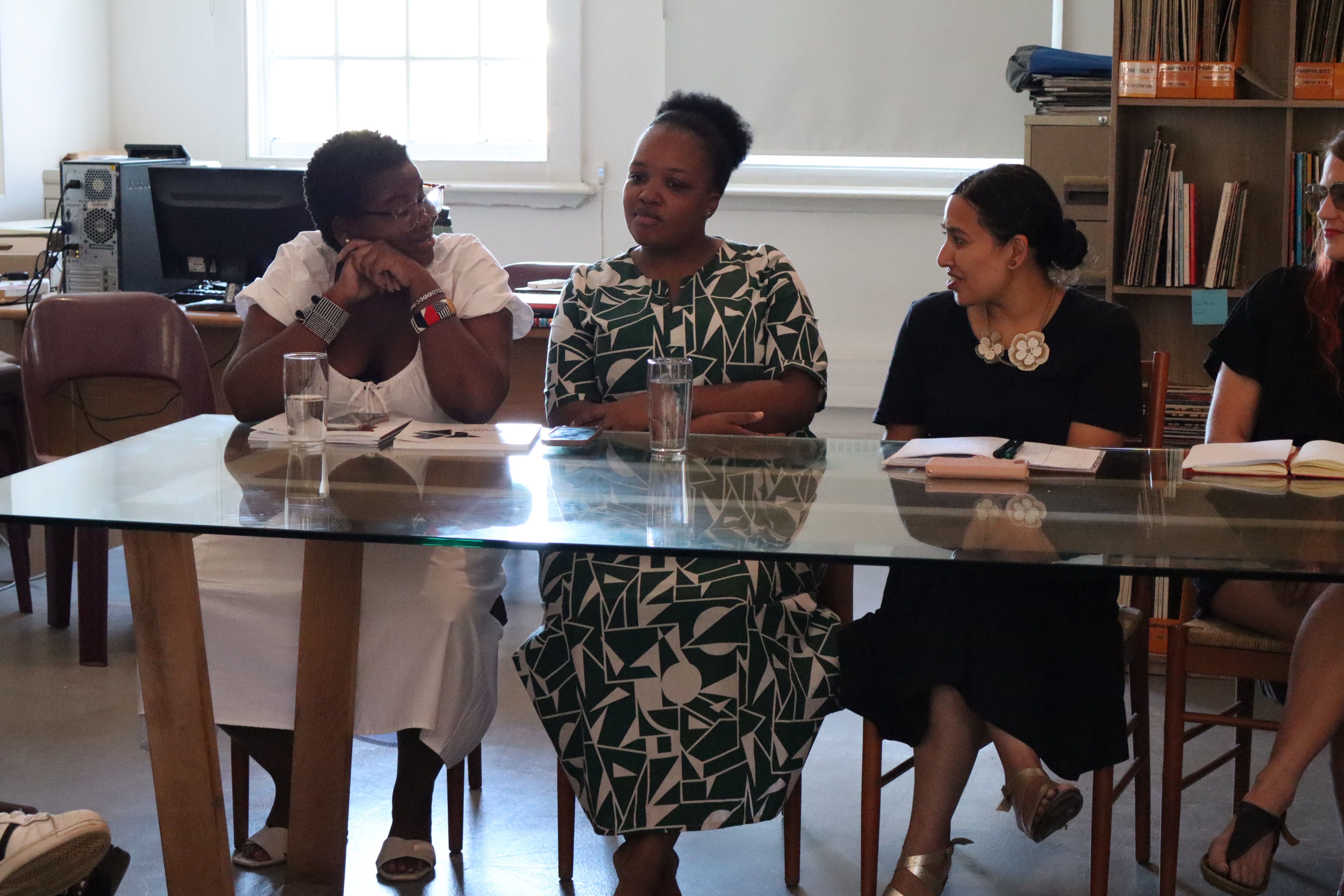
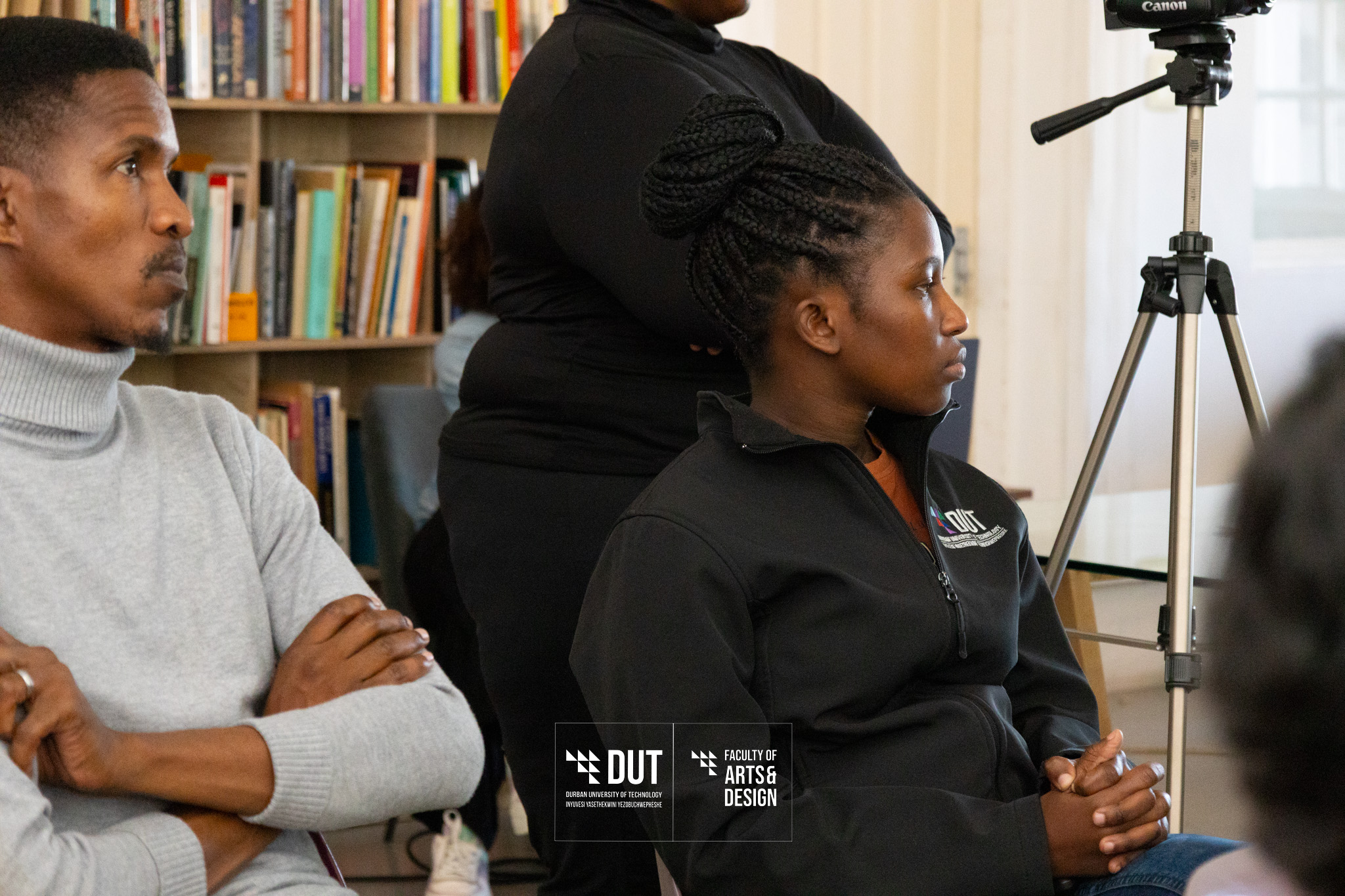
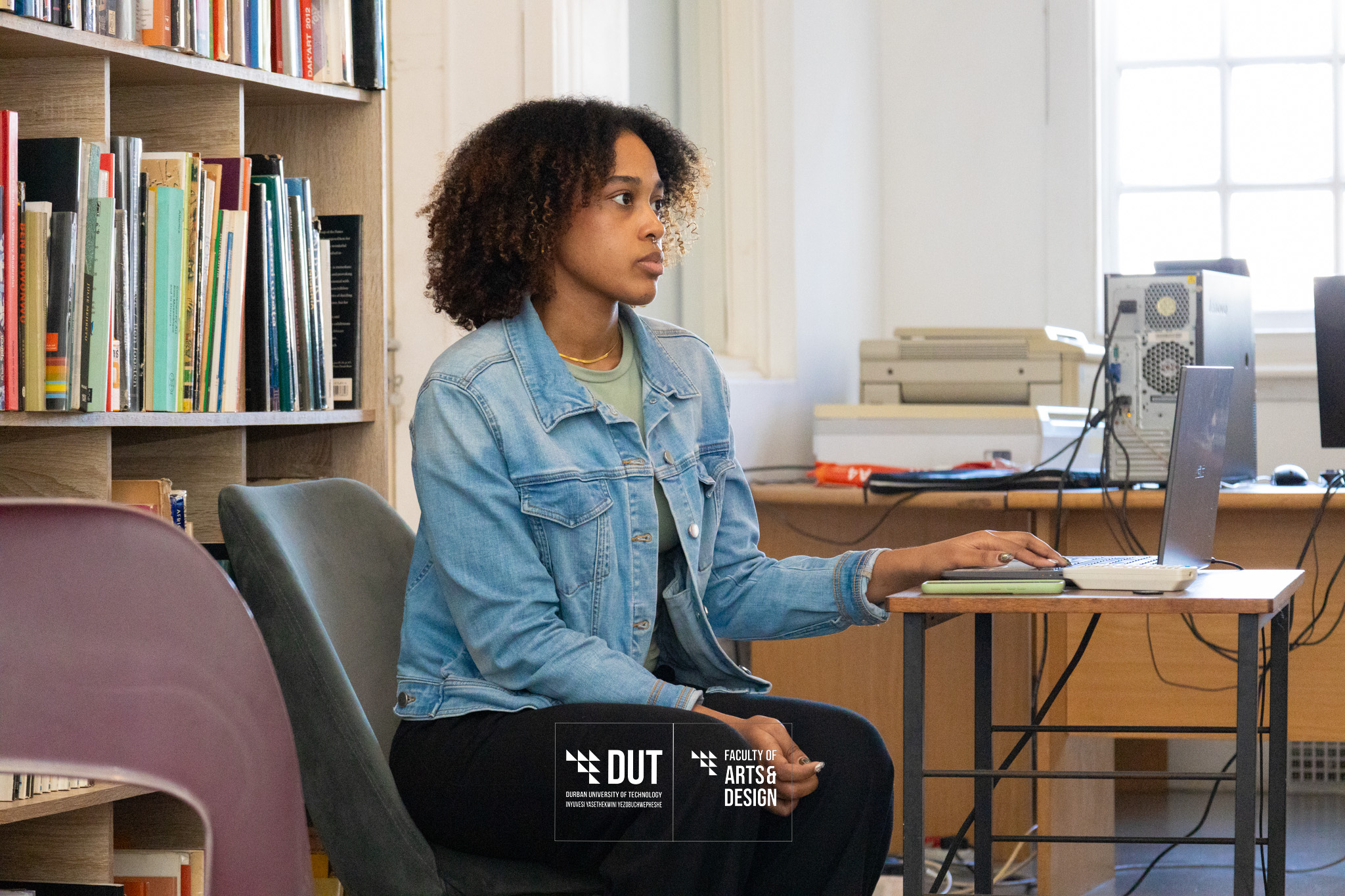
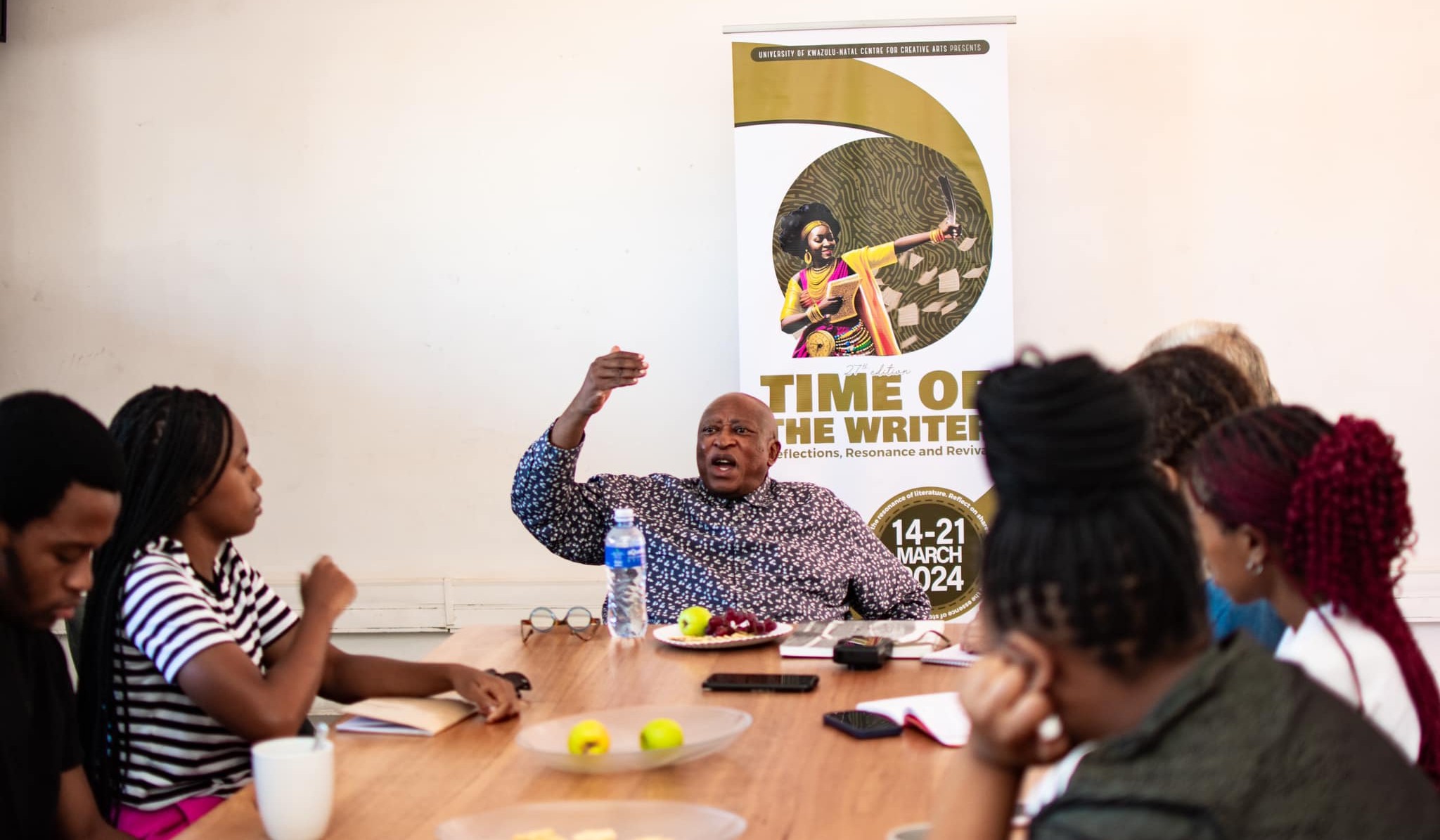
Curating Durban brought together artists, curators and cultural producers for a roundtable discussion on what it means to curate in and from Durban today. This discussion formed part of the Art Resource Centre Events Program’s broader inquiry into the conditions necessary for arts organisations and artists to not only endure, but to thrive and influence the field. The panel will reflect on curatorial practice within Durban’s visual arts ecosystem.

The on the challenges of working as a curator in Durban today, where a limited network of galleries and museums limit formal opportunities for employment, whilst a dynamic social and cultural setting provides opportunities for innovation and experimentation.

We gratefully acknowledge the support of the National Lotteries Commission for the Art Resource Centre.

Moderated by: Sumayya Menezes
Panelists:
Zinhle Khumalo
Lindah Majola (Hue Cafe)
Rachel Baasch (Art Official)
Azola Kwerqe (KZNSA)

Date: Thursday, 19th February
Time: 1 PM
Venue: DUT City Campus, Room 107, the Art Resource Centre

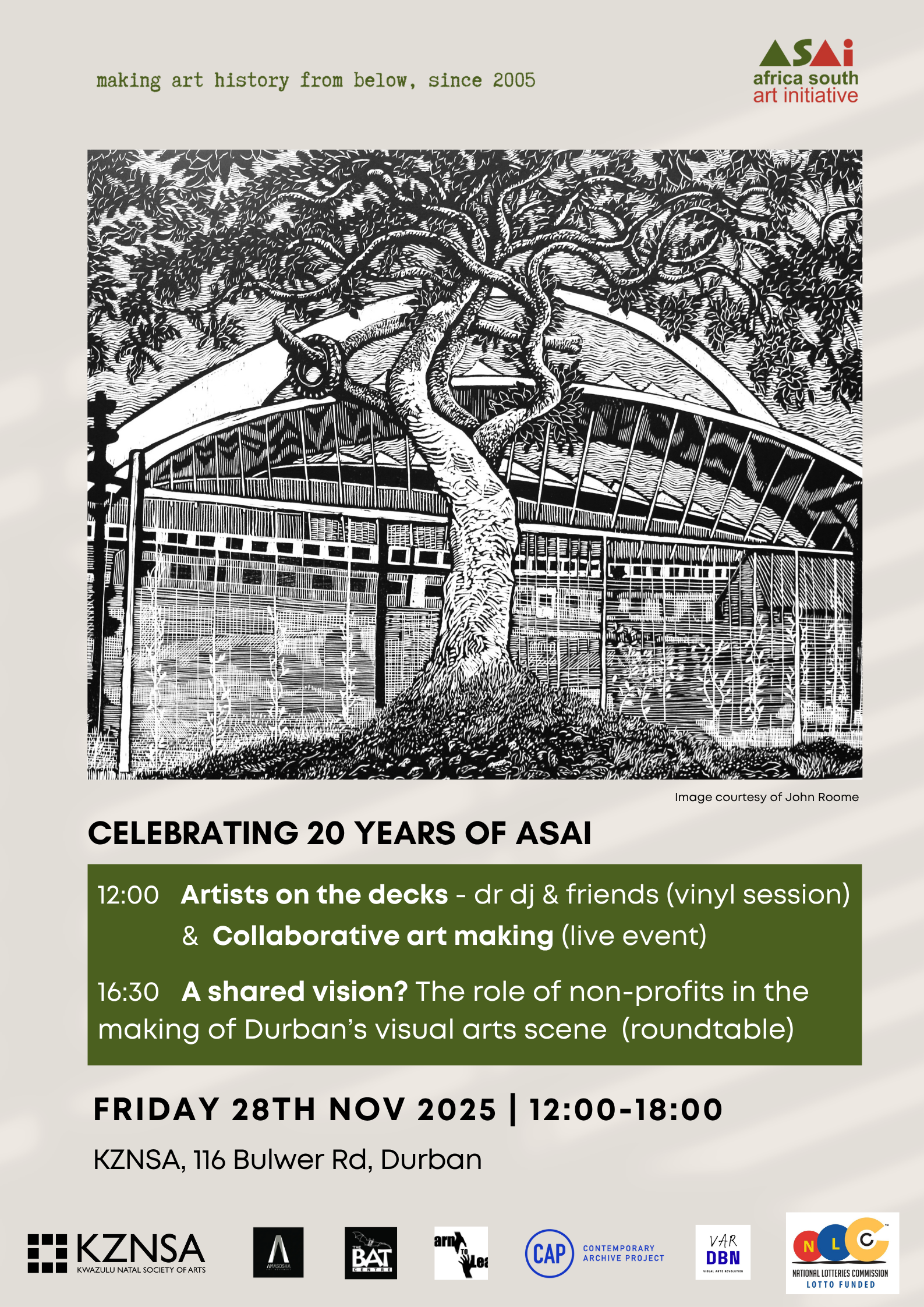
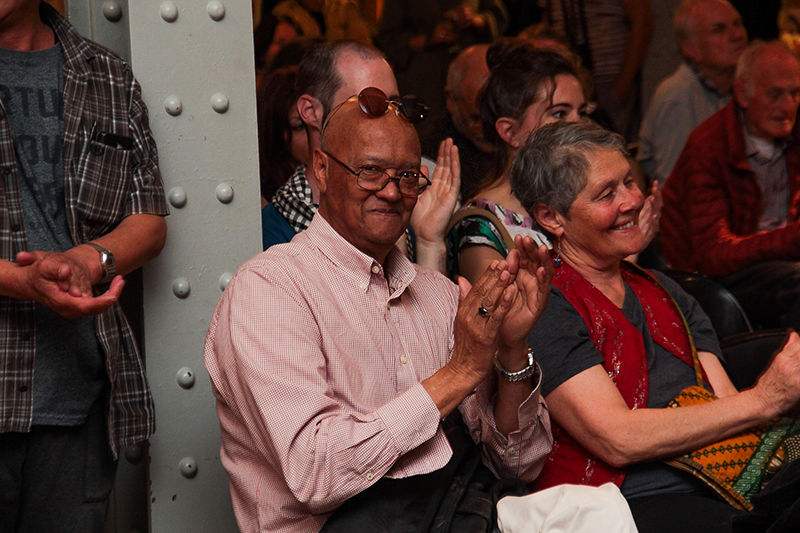
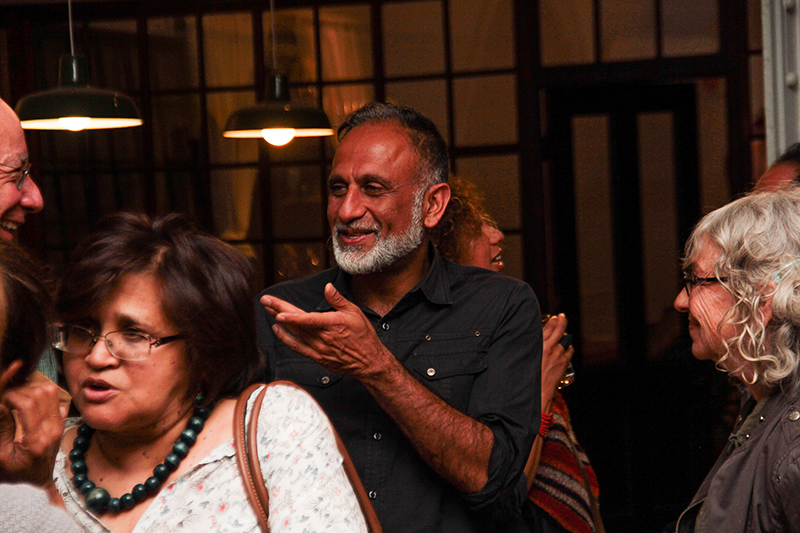
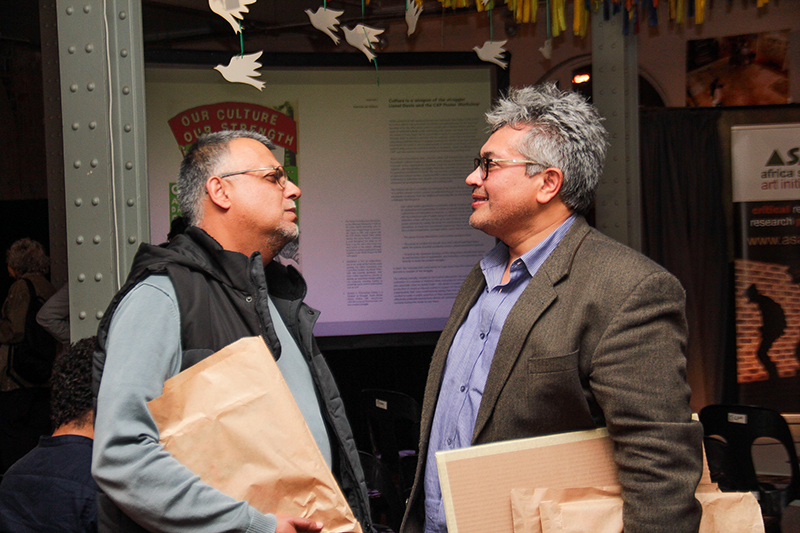
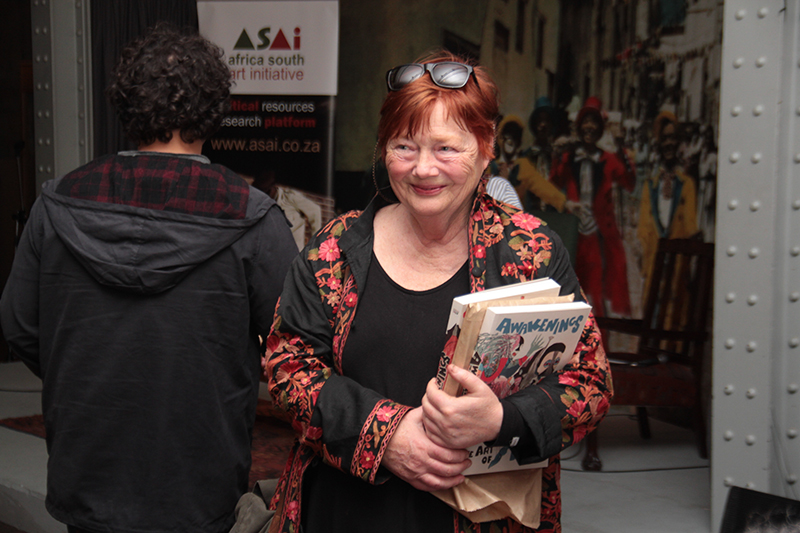
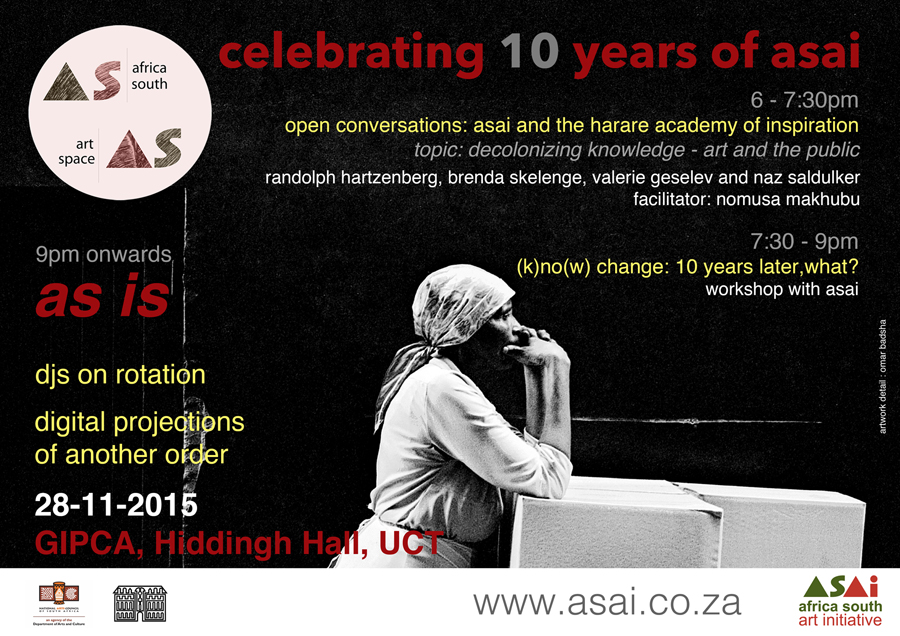
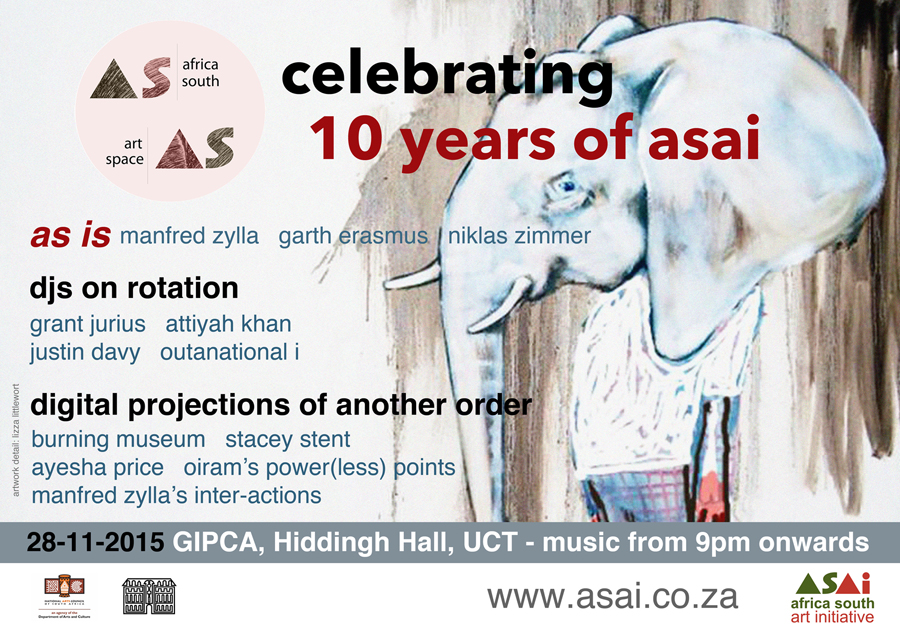
Celebrating 20 years of ASAI: making art history from below, KZNSA Gallery (2025)

We invite you to join us for a full afternoon celebrating 20 years of ASAI: making art history from below.

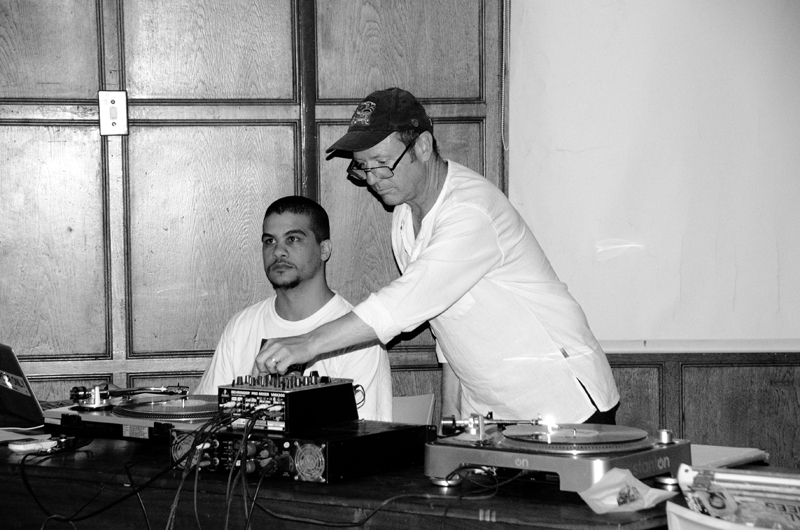
The afternoon will begin at 12:00 with ‘Artists on the Decks’, an informal event where local artists, dr dj, Rafs Mayet, Sfiso Ka-Mkame & Russel Hlongwane will play records selected from their private collections. Additionally, local artists will facilitate an art activation, ‘Collaborative art making’, open to public participation.

This will be followed by a roundtable discussion at 16:30, bringing together representatives of Durban-based visual arts non-profits, ASAI, KZNSA Gallery, Amasosha Art Movement, the BAT Centre, Unlearn to learn, Contemporary Archive Project and VAR DBN to reflect on the question of “A shared vision? The role of non-profits in the making of Durban’s visual arts scene.” Special attention will be paid to how collaborative projects have played, or can play, a critical role in building the visual arts sector locally, nationally and internationally.

Date: Friday, 28th November 2025
Venue: KZNSA Gallery, 166 Bulwer Rd, Durban
Time: 12:00 – 18:00

Poster image courtesy of John Roome.
Photo’s courtesy of Rafs Mayet


Isimo Sezulu

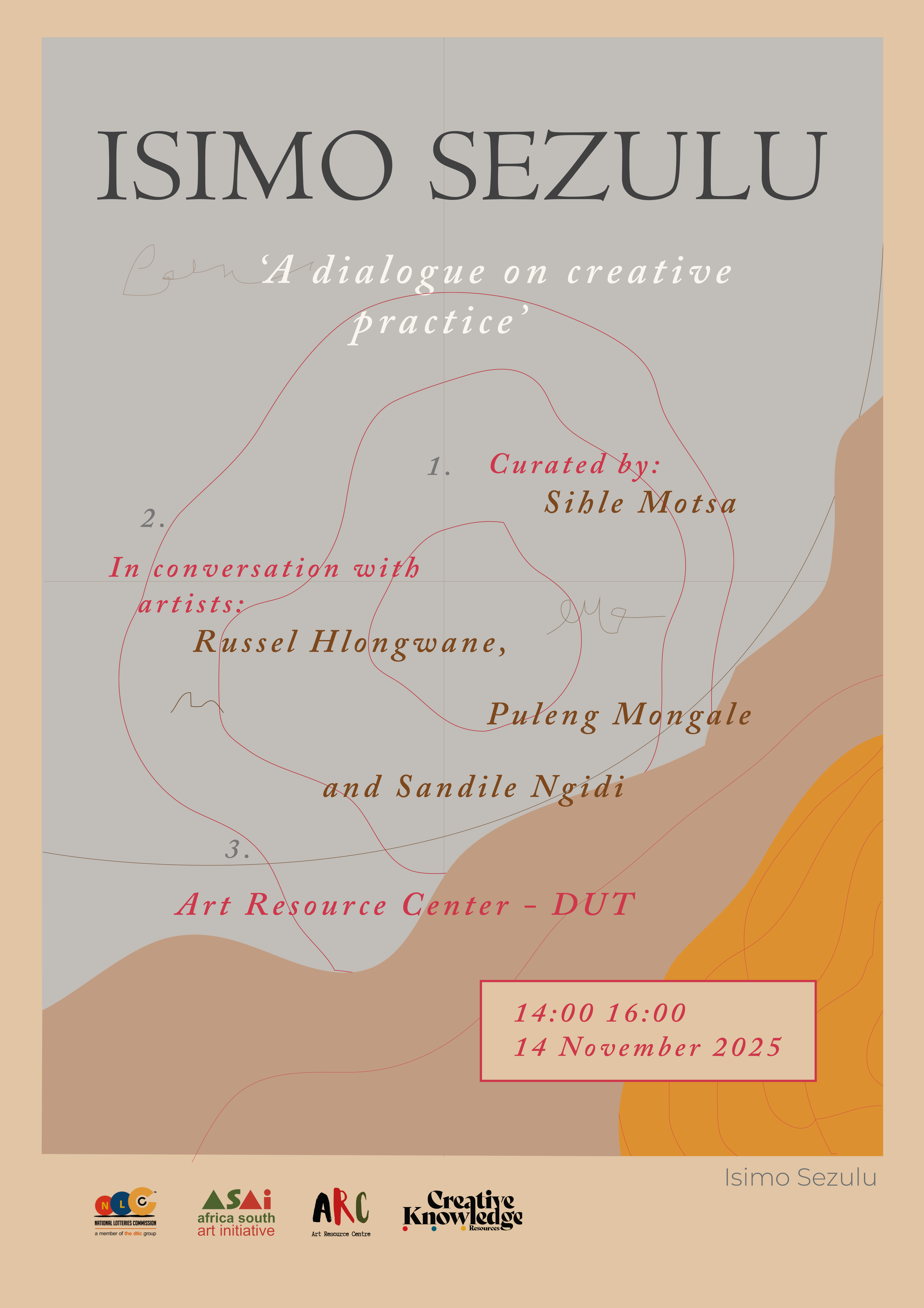
Isimo Sezulu: ‘A dialogue on creative practice’, Art Resource Centre (2025)

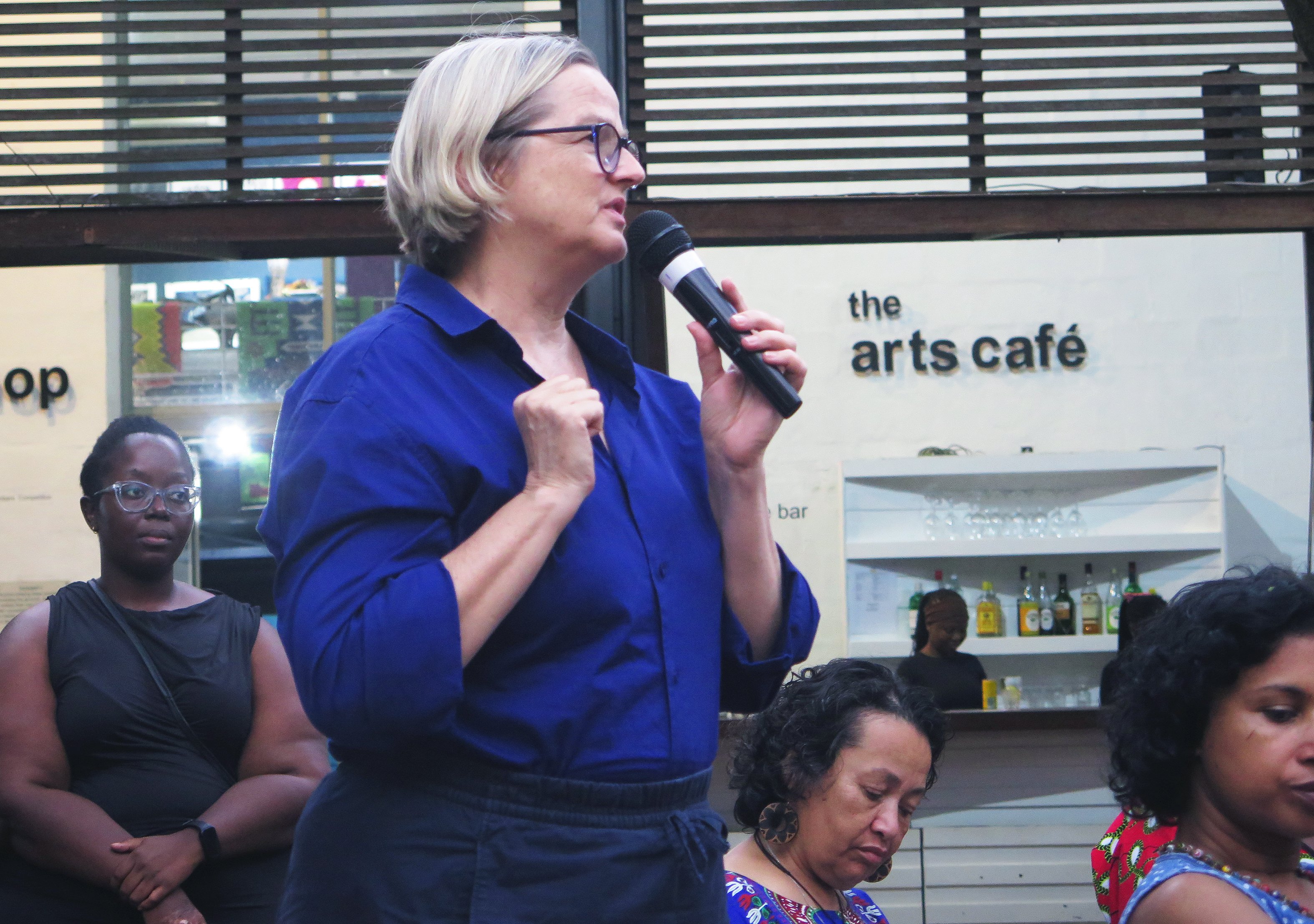
On Thursday, 13th November 2025 Sihle Motsa hosted a discussion on her recent project, Isimo Sezulu, which translates to weather in isiZulu. Joined by contributors and artists Russel Hlongwane and Sandile Ngidi in conversation at the Art Resource Centre in Durban.

Isimo Sezulu works though epistemic and aesthetic modes to understand the social disharmony of KZN as a function of geological, industrial and ecological extraction. The project attempts to develop vernaculars for understanding and therefore articulating the ecological degradation in KwaZulu natal and grapple with racial modernity and its colonizing temporal regimes. Using time as a heuristic, it contends with the historical violence of industrialization, and the cyclical time of flooding. It takes seriously marginalized peoples’ grammars and sense- making modalities and endeavors to canonize these knowledge regimes, and to construct vernaculars from hitherto negated sites- that is from oral traditions, personal and public archives, artistic practices and sites of popular cultural production

Local government and the Visual Arts, Art Resource Centre (2025)

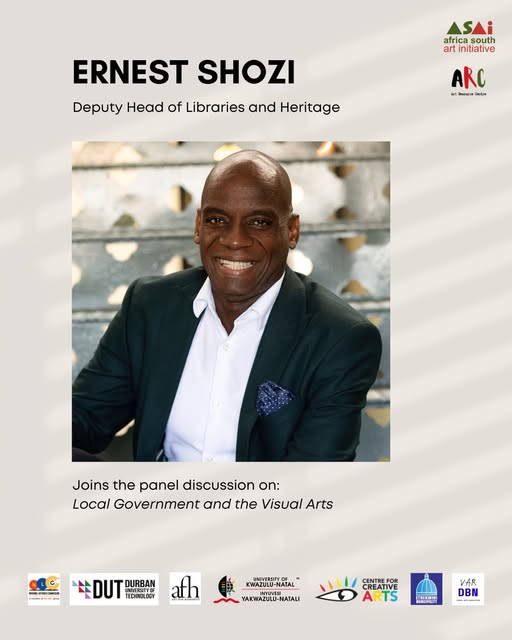
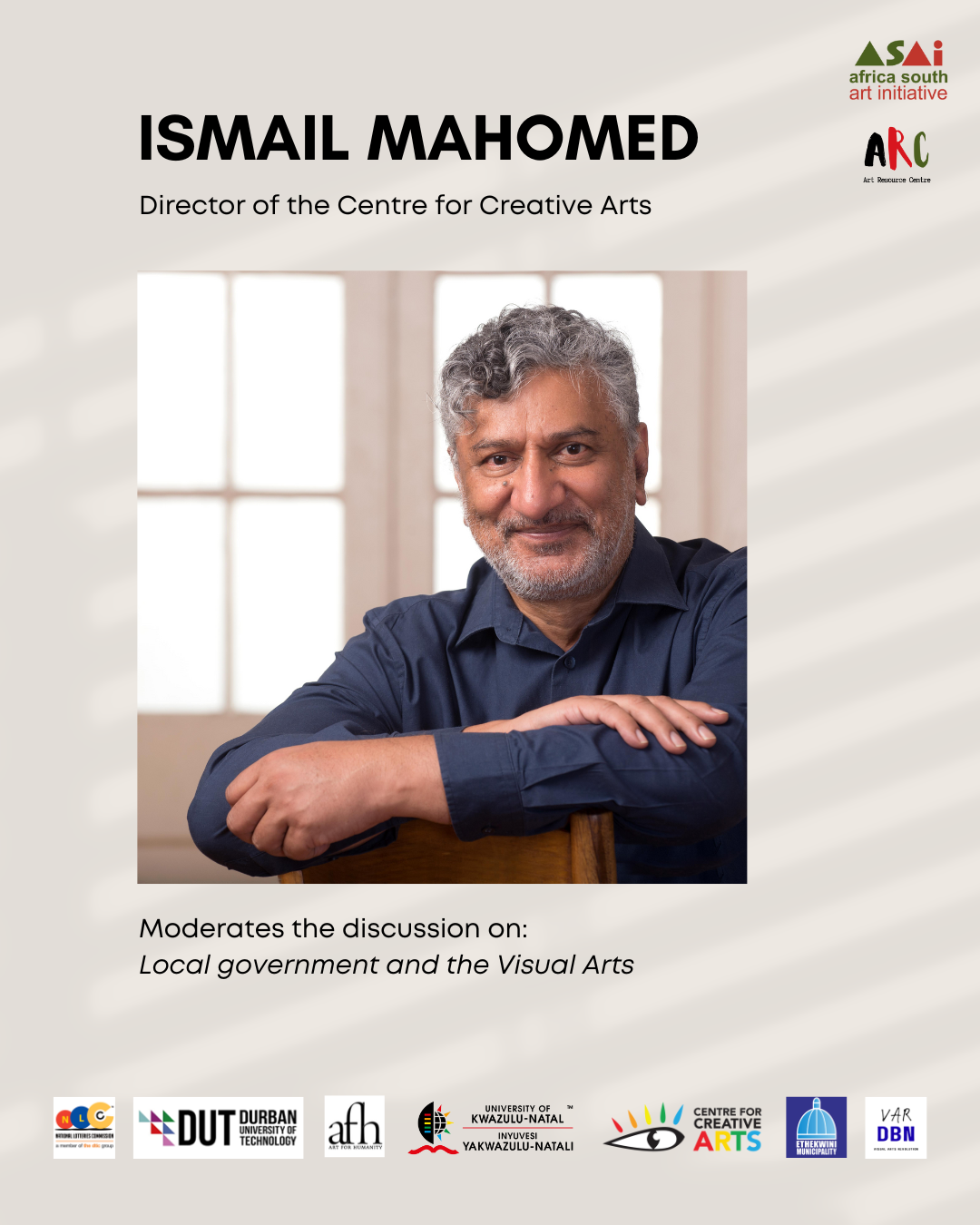
Join us for a critical conversation on Local Government and the Visual Arts. This panel offers the Department of Libraries and Heritage a platform to share information about current initiatives of support for the visual arts, while creating space for meaningful dialogue on shaping future strategies of support for the local visual arts ecosystem.

Panelists: Russel Hlongwane (VAR DBN), Ernest Shozi (Deputy Head, Libraries and Heritage)
Moderator: Ismail Mahomed (Centre for Creative Arts)
Tuesday, 30th September 2025
                                                        12 PM
                                                        Art Resource Centre, Room 107, DUT City Campus, Anton Lembede St

The Durban Art Gallery & the local art community: today & tomorrow, Art Resource Centre (2025)

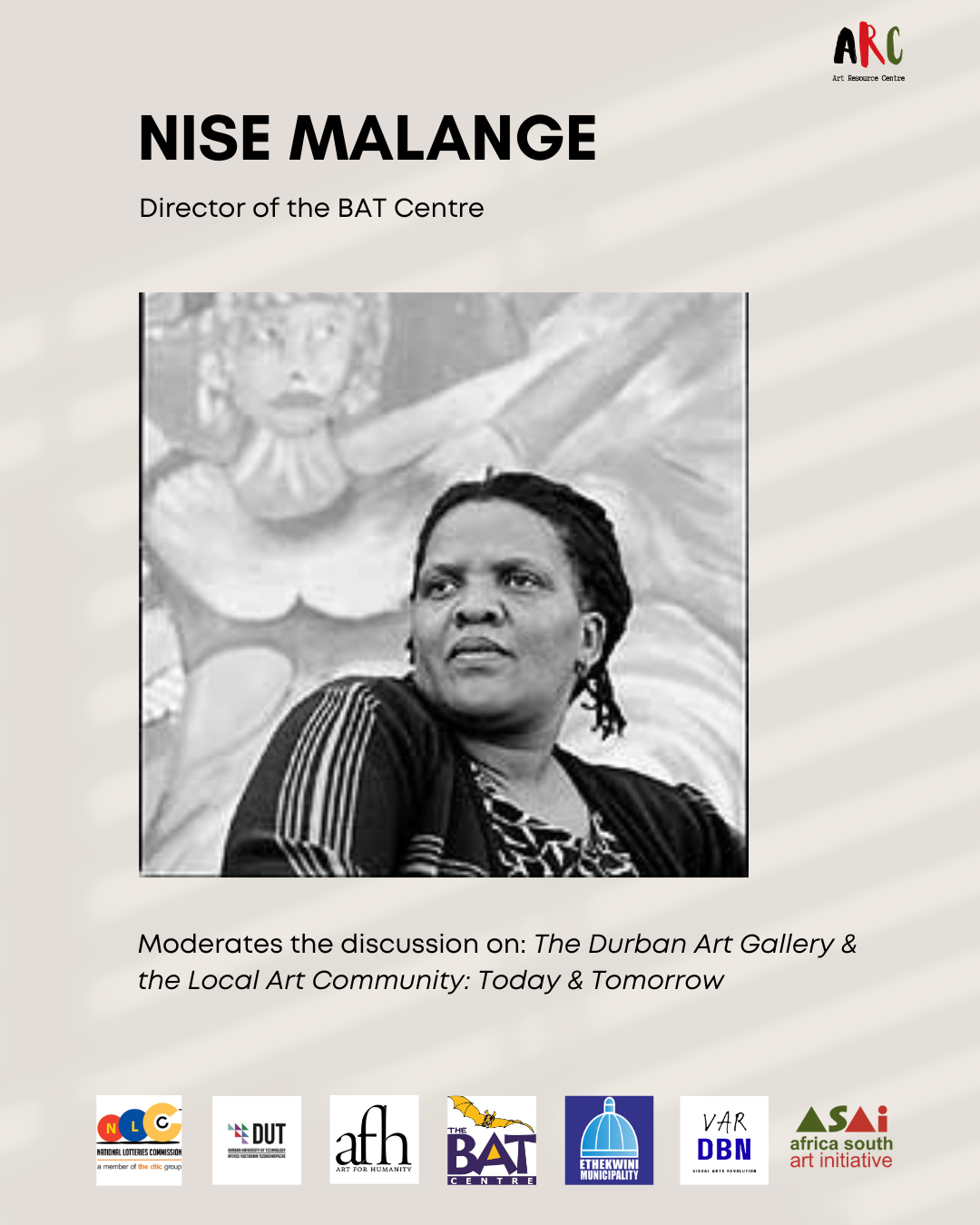
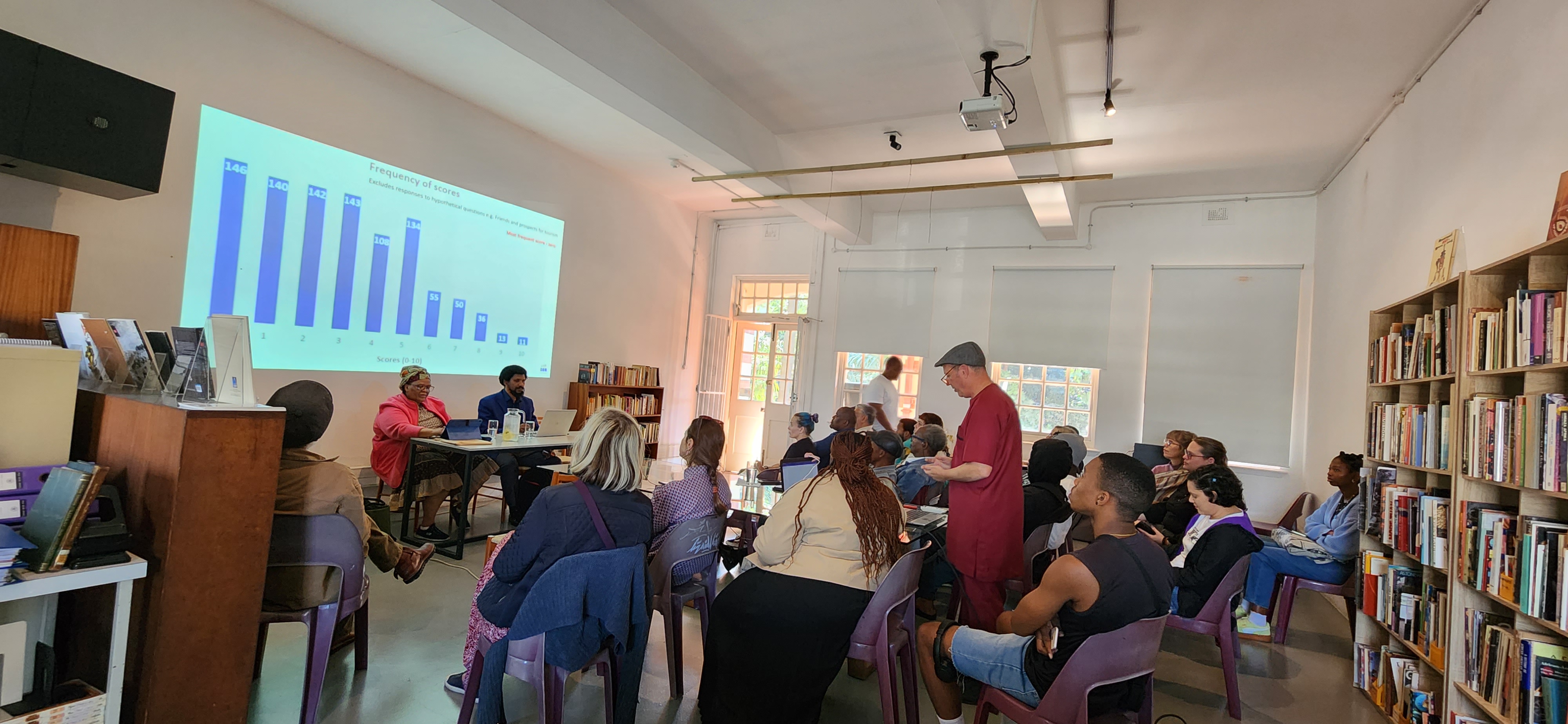
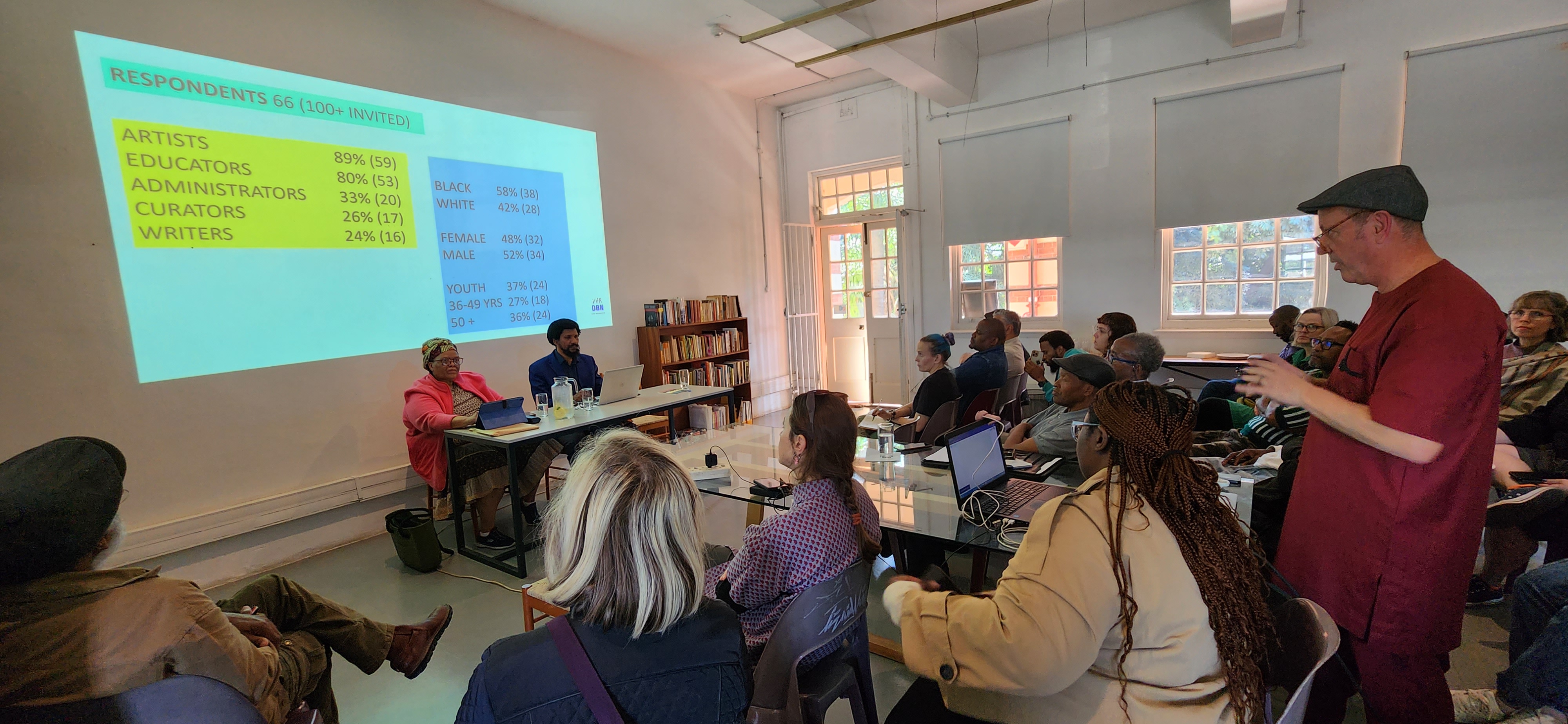
This event has been convened to facilitate public engagement with the recent survey, conducted by VAR DBN (Visual Arts Revolution), which explored perceptions of the Durban Art Gallery’s performance from the perspective of the local visual arts community.

The discussion between Mduduzi Xakaza (DAG) and Mario Pissarra (VAR DBN) will be moderated by Nise Malange (BAT Centre) and forms part of the Art Resource Centre Events Program’s broader inquiry into the conditions necessary for arts organizations and artists to not only endure, but to thrive and influence the field from below.

Building Resilience: Lessons from KZNSA and ASAI, Art Resource Centre (2025)

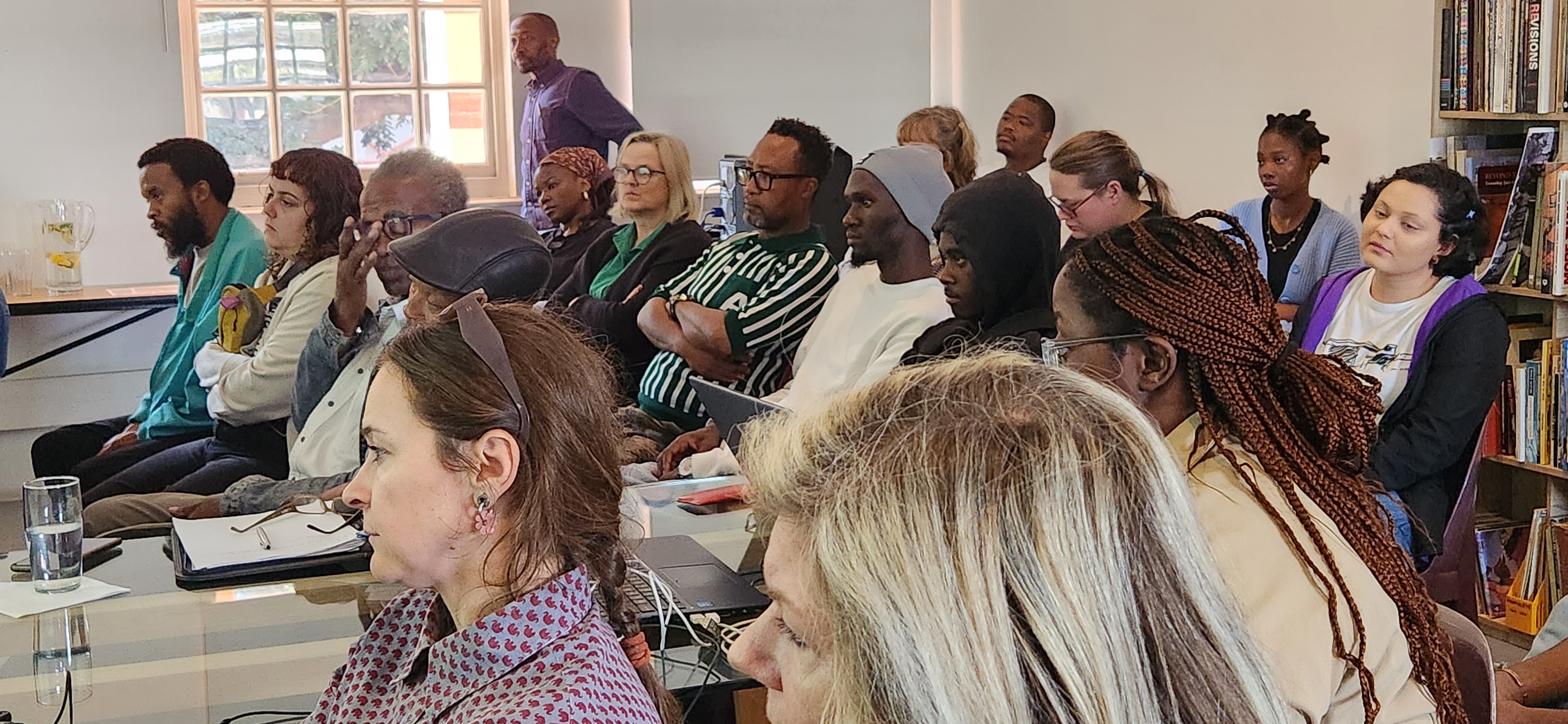
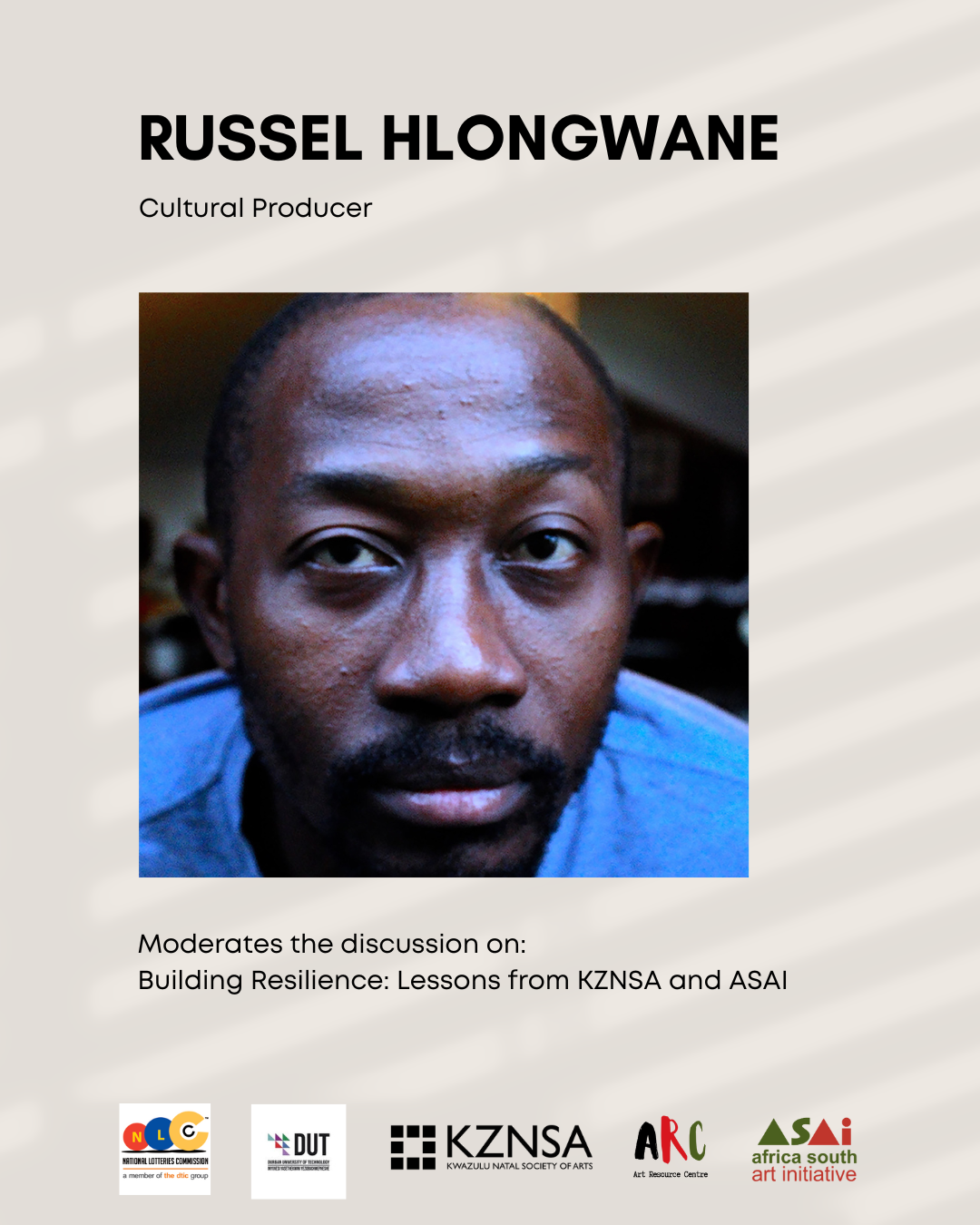
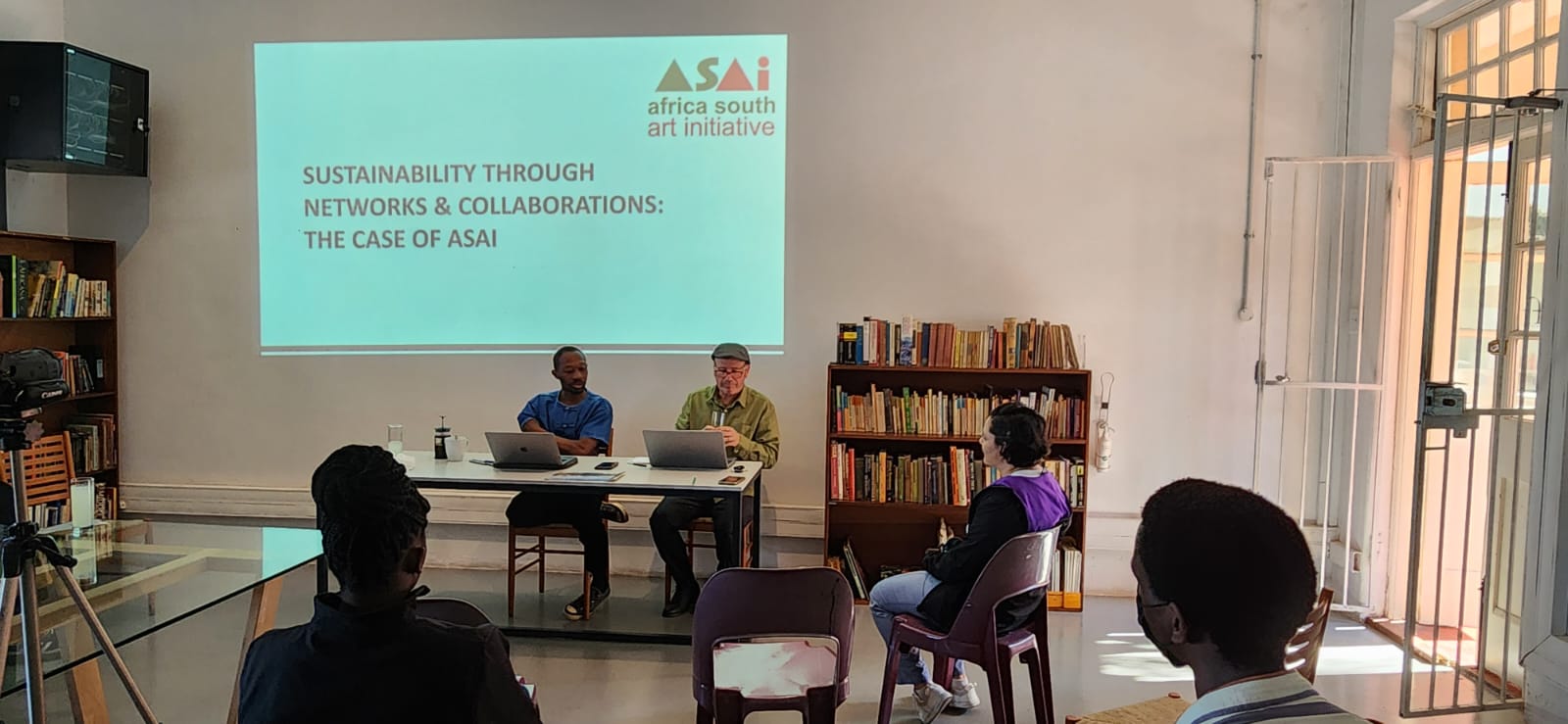
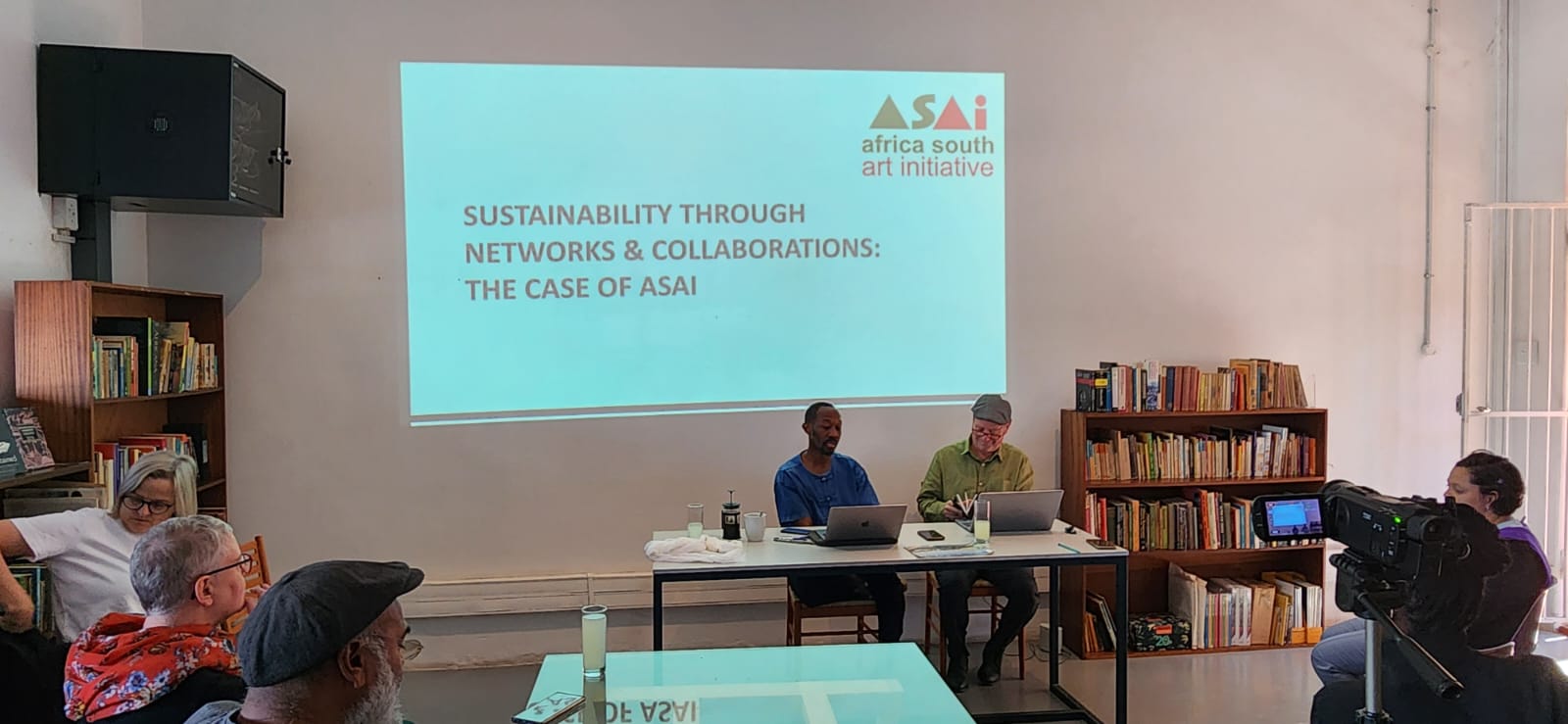
Angela Shaw and Mario Pissarra present their findings on organisational sustainability from the perspectives of KZNSA Gallery and ASAI (Africa South Art Initiative), with a discussion facilitated by Russel Hlongwane. This panel reflects on the observations and insights of two established arts organisations, whose experiences navigating the shifting economic and cultural landscape offer valuable lessons for the present moment.

UWC: Zeitz MOCAA Information Session, Art Resource Centre (2024)

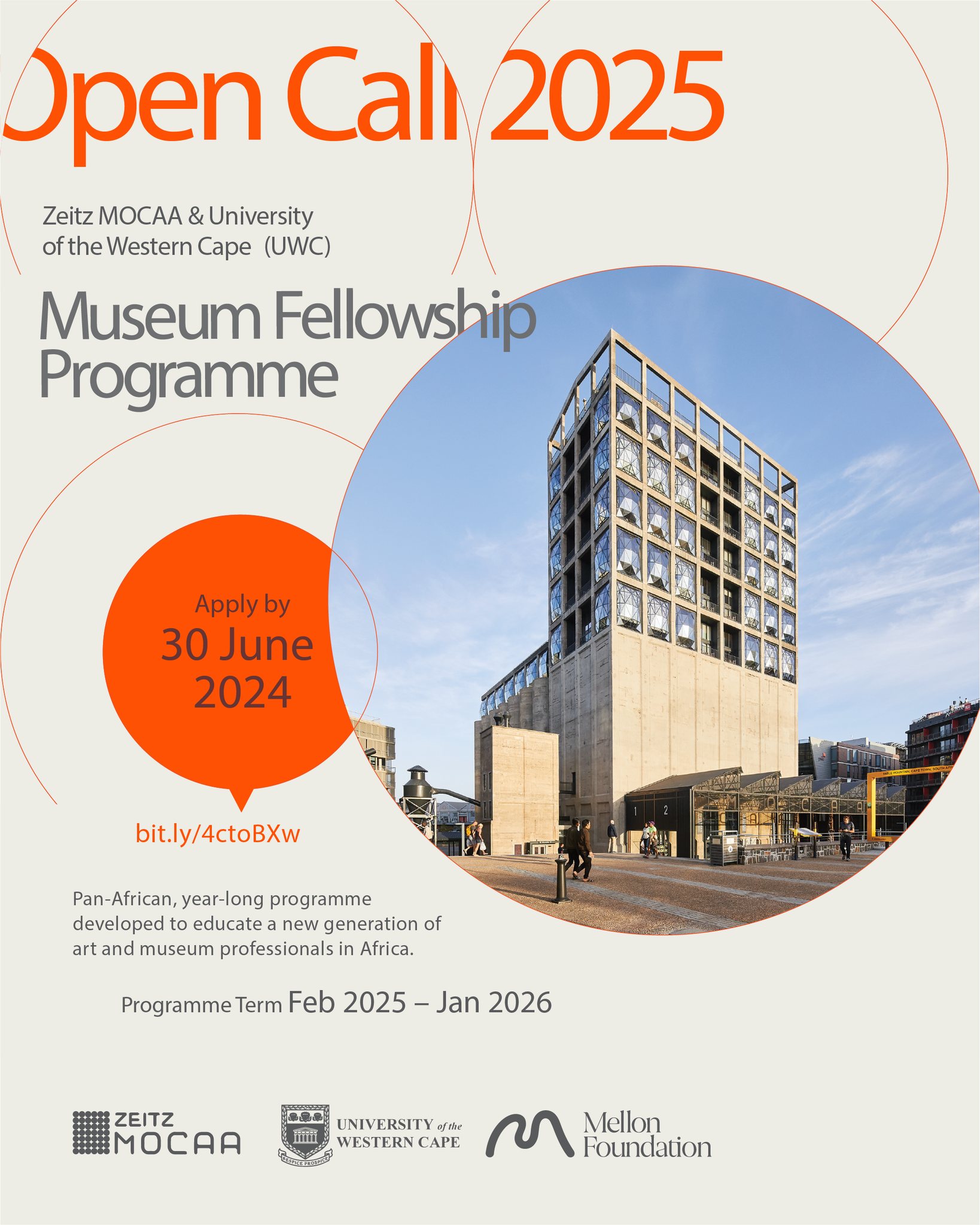
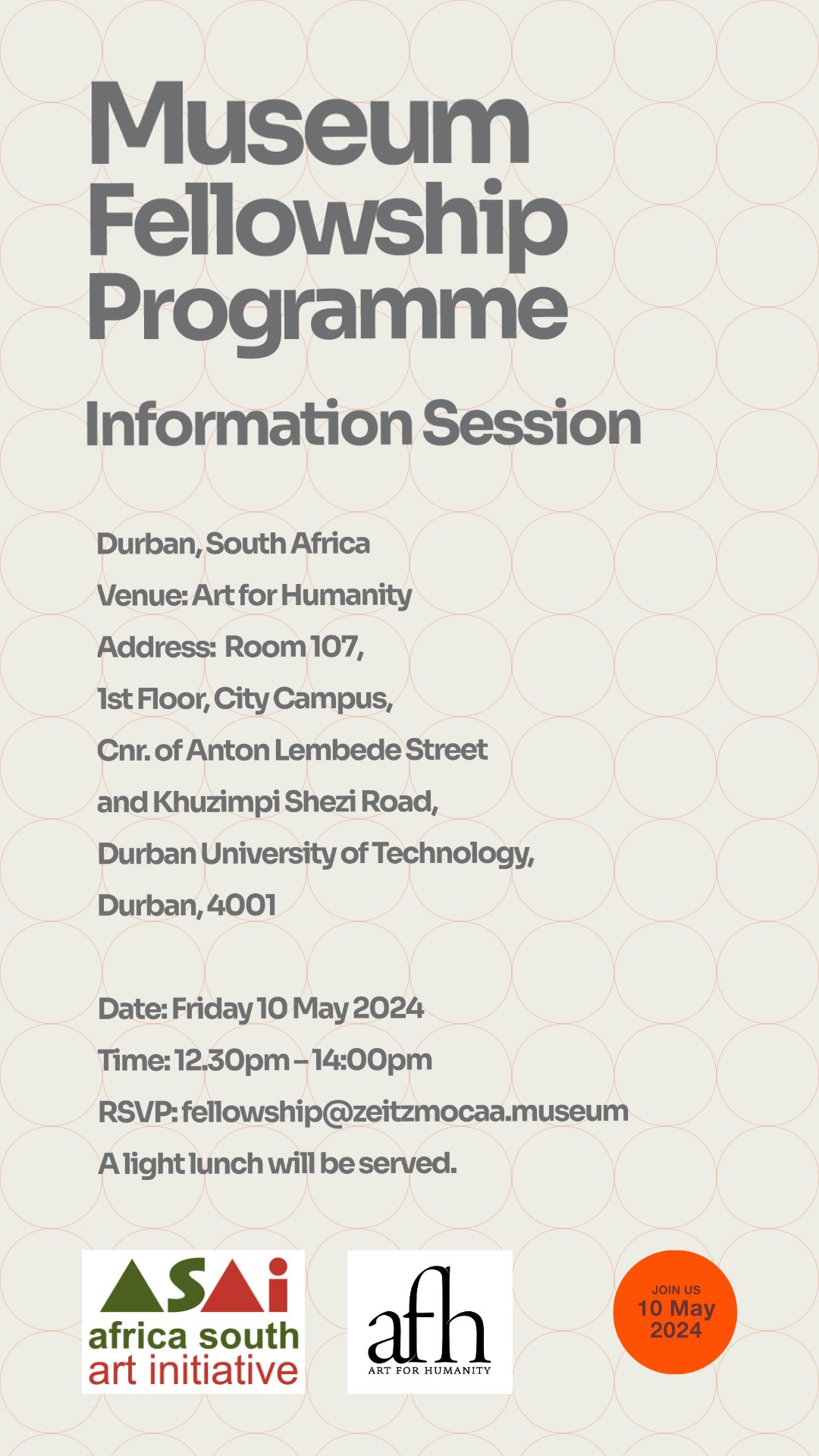
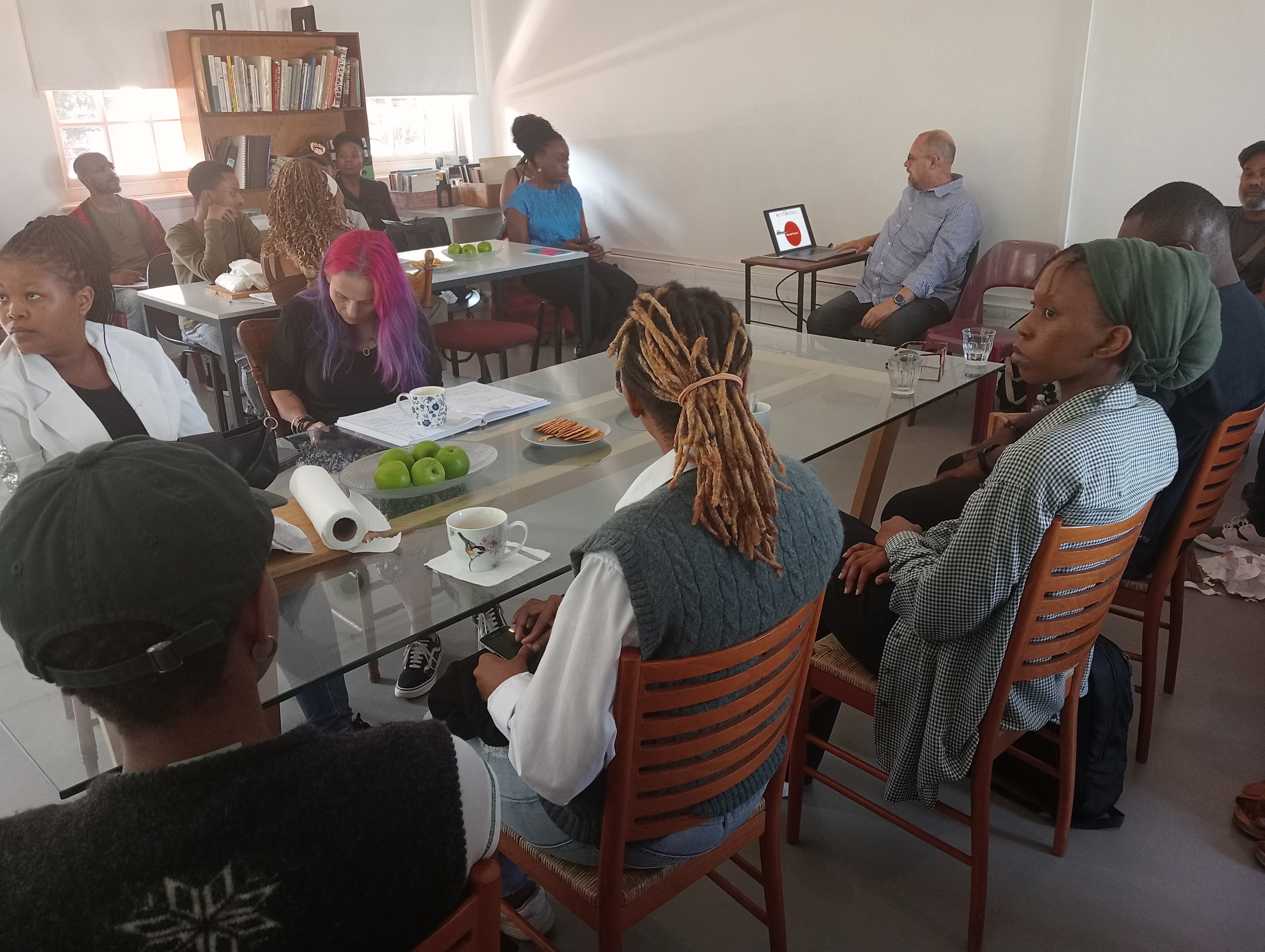
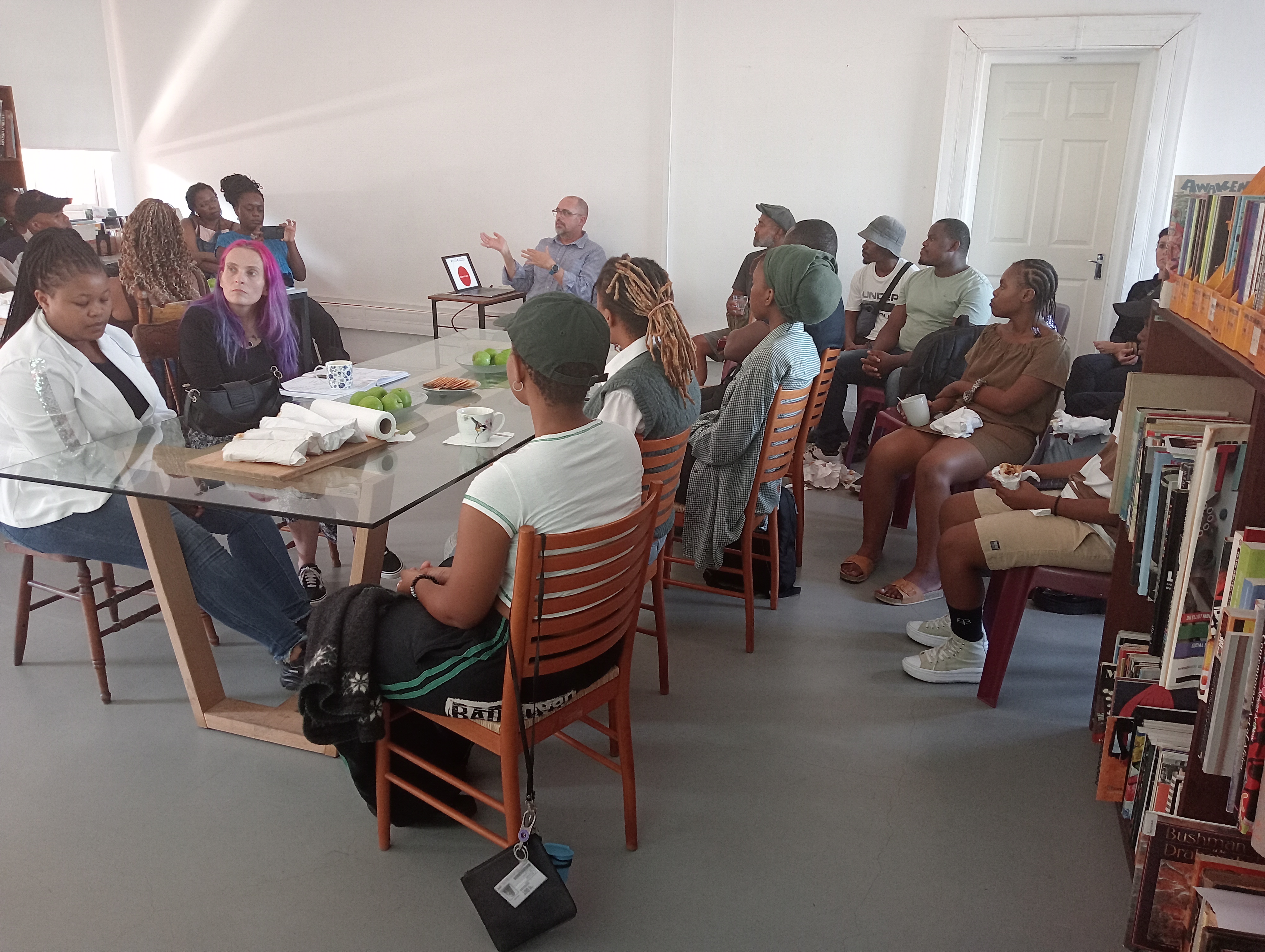
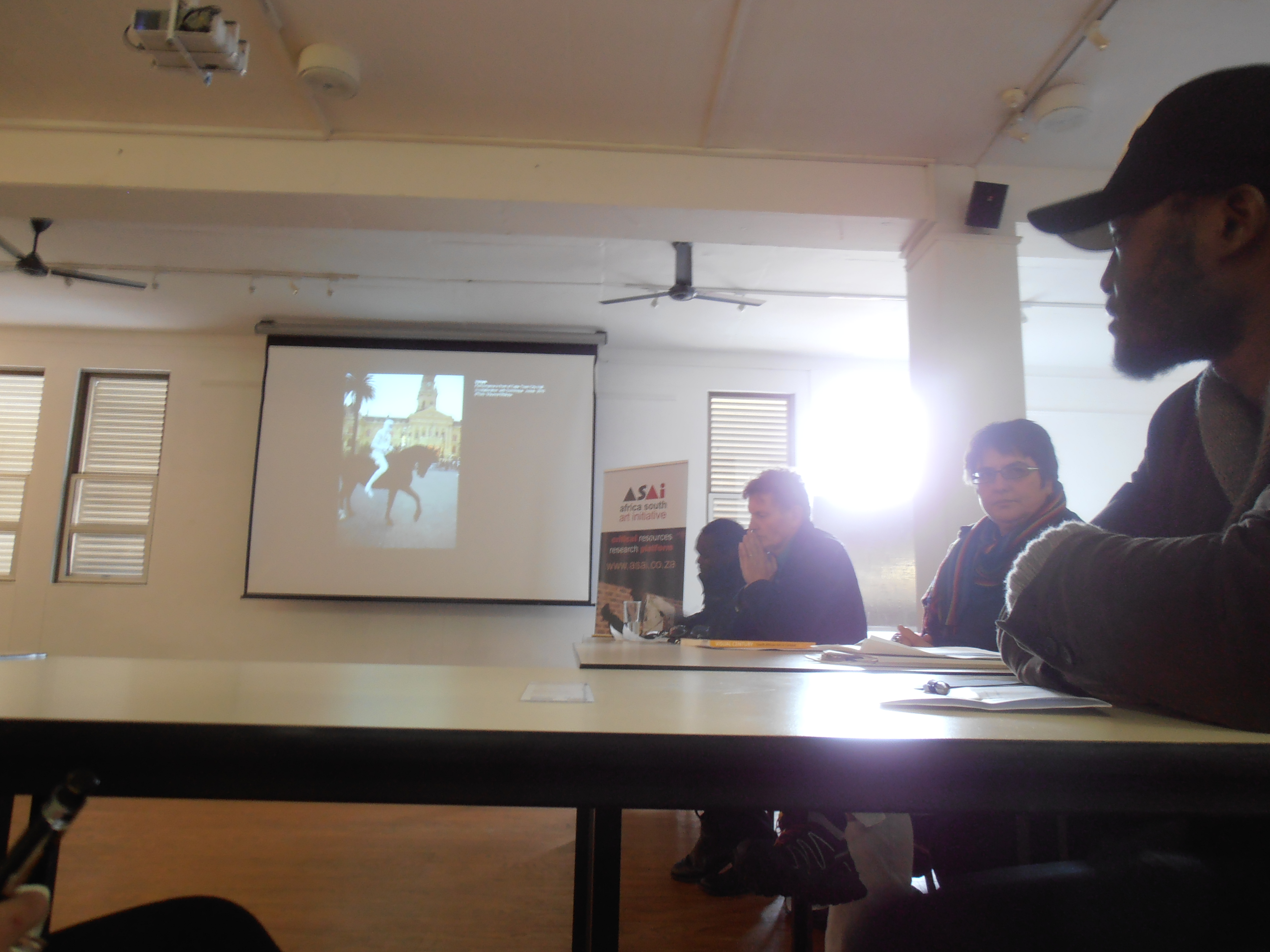
On Friday the 10th May 2024, ASAI hosted the Zeitz Museum of Contemporary Art Africa (Zeitz MOCAA) and University of the Western Cape (UWC) information session on their Museum Fellowship Programme at the Art Resource Centre, Durban. A pan-African fellowship programme that aims to contribute towards a redefinition of curatorial practice and art history scholarship on contemporary art discourse and museology from the continent.

‘Visual Century’ 10 Years Later, webinar (2021)

9 November 2021

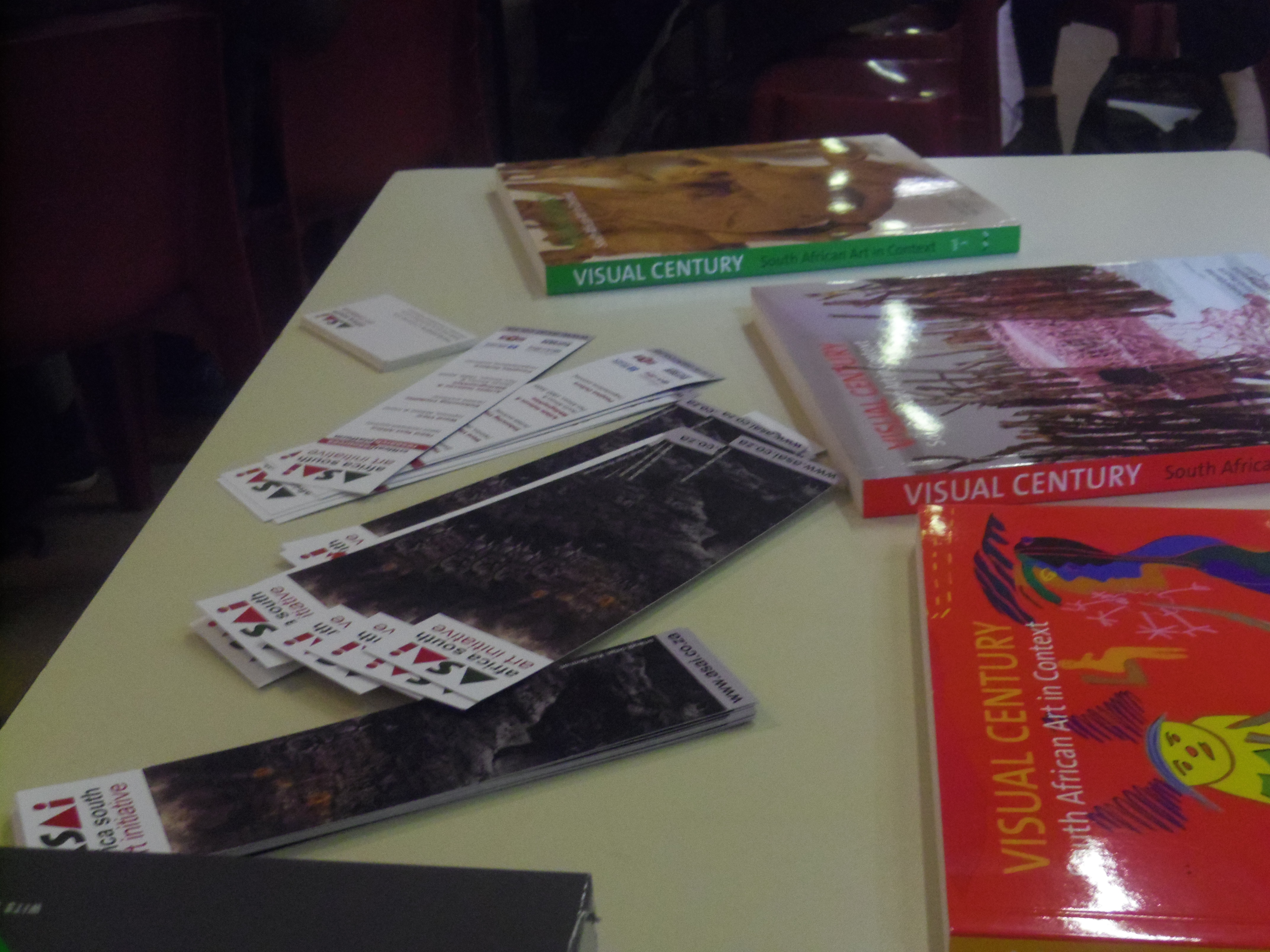
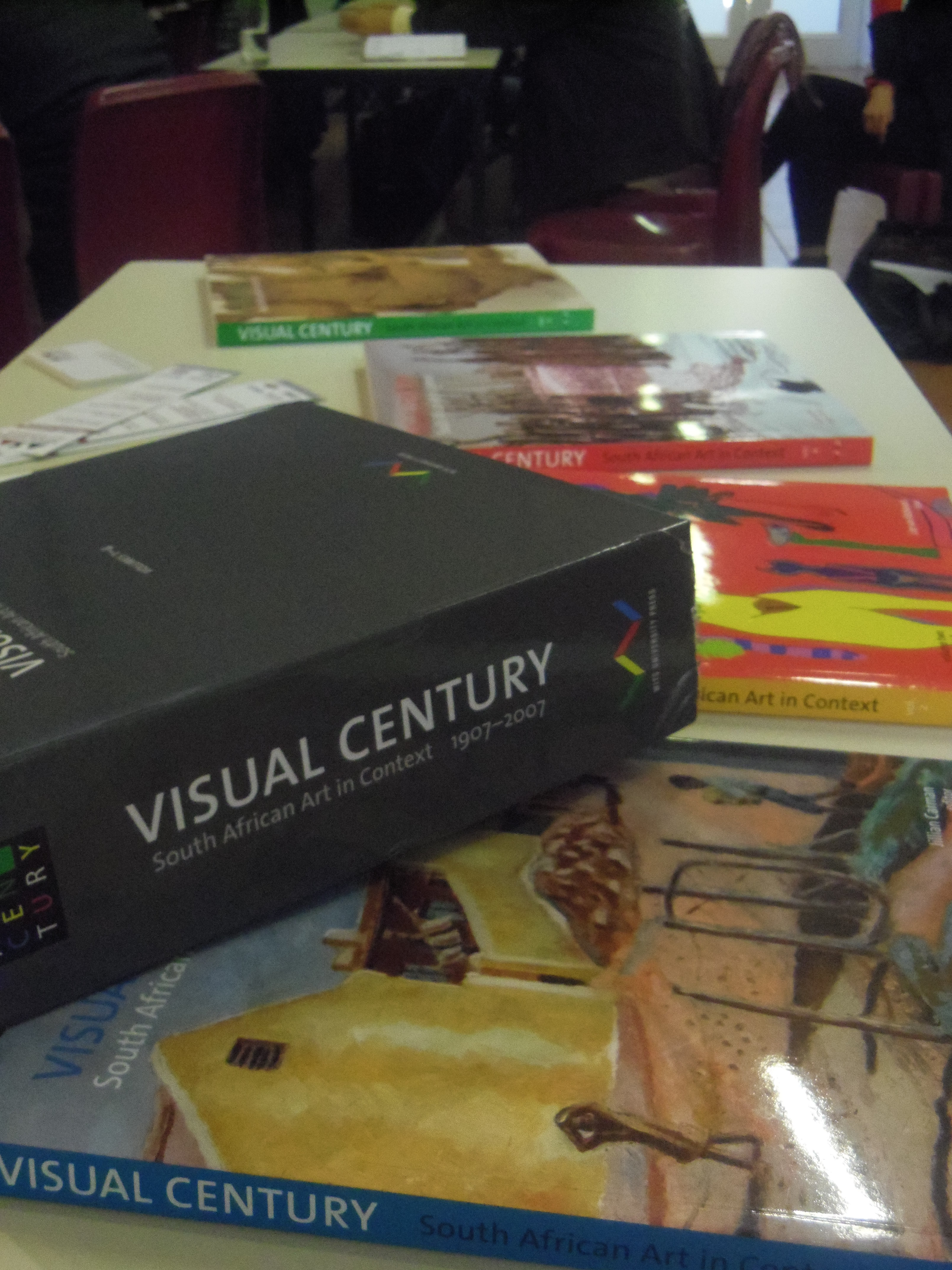
It is ten years since the publication of Visual Century: South African Art In Context 1907–2007, a four-volume boxed set featuring commissioned texts from over thirty authors. Arguably, the most ambitious research project ever undertaken on the art of an African country, Visual Century remains relatively little known and celebrated. What were the achievements and shortcomings of the project? What is its relevance today? How does Visual Century speak to contemporary trends in researching and publishing art historical accounts of contemporary South/African art?

Writing South/African Art History: Visual Century 10 Years Later

It is ten years since the publication of Visual Century: South African Art In Context 1907–2007, a four-volume boxed set featuring commissioned texts from over thirty authors. Arguably, the most ambitious research project ever undertaken on the art of an African country, Visual Century remains relatively little known and celebrated. What were the achievements and shortcomings of the project? What is its relevance today? How does Visual Century speak to contemporary trends in researching and publishing art historical accounts of contemporary South/African art?

This webinar featured three of the architects of Visual Century — artist and curator Gavin Jantjes (initiator and director of The Visual Century Project), art historian Mario Pissarra (chief editor and project manager) and art historian Lize van Robbroeck (editor of volume two). The discussion was moderated by art historian Nomusa Makhubu. The panel reflected on the editorial, commissioning and writing processes of Visual Century as well as on the challenges of academic publishing and book distribution. They also engaged alternatives, including the need for more open access publishing, and the potential of new technologies to reshape the field of contemporary publishing.

Visual Century was published by Wits University Press and The Visual Century Project (2011). It was project managed by the Africa South Art Initiative (ASAI). Funding for Visual Century came from the Department of Arts and Culture, Republic of South Africa; the Foundation for Arts Initiatives; and the University of the Witwatersrand, Johannesburg.

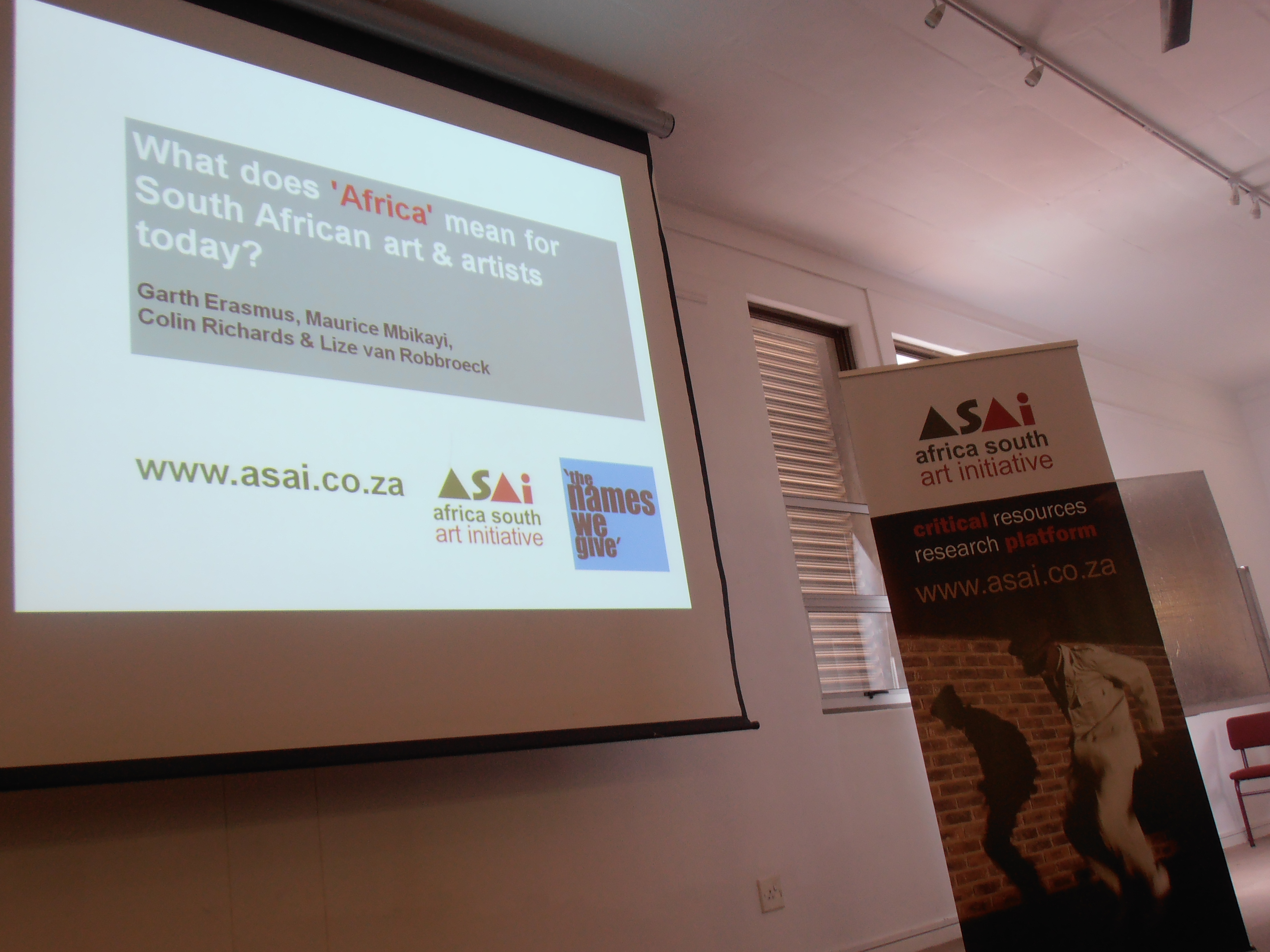
Africa Month, UCT (2015)

Reading list 1 - fb


A SELECT READING LIST ON AFRICAN ART – COMPILED BY ANDREW LAMPRECHT

A SELECT READING LIST ON AFRICAN ART – COMPILED BY ANDREW LAMPRECHT

This is a suggested reading list for an undergraduate who is not an art major but wants a good rounded understanding of that complex subject "African Art". I included two specialist works (Gelede and Uzo Egonu) as they show the way that other research can be done but generally all the books (and one journal!) are accessible to the interested layperson. I avoided titles that focus exclusively on SA and on books that include not-African material.

Willett, Frank. 1971. African art: an introduction. London: Thames & Hudson.
One of the first ‘modern’ surveys of African art, attempting to avoid Western biases and be inclusive. Revised edition, 1993.

Gillon, Werner. 1984. A short history of African art. Harmondworth: Viking.
An excellent short survey, still valuable after three decades.

Drewal, Henry John and Margaret Thompson Drewal. Gelede: art and female power among the Yoruba. 1990. Bloomington: Indiana University Press.
Though very specialized and now somewhat out of date this is a foundational work on the way that African art has been ‘opened up’ to new ways of looking and the defiance of western categories of art making and aesthetics.

Hassan, Salah M., Chika Okeke-Agula and Okwui Enwezor (founding eds). 1994 onwards Nka: journal of contemporary African Art. Duke University Press.
Not a book, but rather a journal of immense value and importance.

Deliss, Clémentine (ed) .1995. Seven stories about modern art in Africa. Paris, Flammarion.
A response to Tom Phillips’ exhibition and book Africa: Art of a Continent.

Oguibe, Olu. 1995. Uzo Egonu: an African modernist in the West. London: Kala Press.
A foundational work in the (re)location of modernist practice to Africa.

Kasfir, Sidney Littlefield. 1999. Contemporary African art. London: Thames & Hudson.

Oguibe, Olu and Okwui Enwezor (eds). 1999. Reading the contemporary: African art from theory to the marketplace. London: inIVA.
One of the best and most influential general ‘readers’ on contemporary African art.

Fall, N’goné and Jean Loup Pivin (eds). 2002. An anthology of African art in the twentieth century. New York: D.A.P.
Despite some inaccuracies still one of the most valuable general surveys of modern and contemporary African art, based on articles in the journal Revue Noire.

Njami, Simon (ed). 2004-2007. Africa remix: contemporary art of a continent. (Various editions of exhibition catalogues).
An important travelling exhibition that has several iterations of the catalogue and a number of excellent essays.

AFRICA MONTH READS – COMPILED BY NOMUSA MAKHUBU

AFRICA MONTH READS – COMPILED BY NOMUSA MAKHUBU

Although this list has a slight bias in favour of Nigeria, it does include literature on Ethiopia and Senegal. In some ways, it responds to the significance of West African (except Ethiopia), curators, writers, artists and filmmakers in contemporary global cultural discourse. It also addresses traditional arts, modern art and contemporary art: all categories that cannot be so easily defined. Ethiopia is also particularly important as the only African nation that was not colonised by European power and had radical artist movements that had political and social relevance.

Valentin-Yves Mudimbe (1988) The Invention of Africa. Oxford: Indiana University Press

Manthia Diawara (1992) African Cinema: Politics & Culture. Bloomington, Ind.: Indiana University Press

Babatunde Lawal (1996) The Gelede spectacle : art, gender, and social harmony in an African culture, University of Washington Press, Seattle

N'Goné Fall; Jean Loup Pivin (eds) (2002), An anthology of African art : the twentieth century, D.A.P., New York

Elizabeth Harney; Jeff Donaldson; Achamyeleh Debela; Kinsey Katchka (2003), Ethiopian passages: contemporary art from the diaspora, Philip Wilson, London

Akin Adesokan (2011) Postcolonial artists and global aesthetics, Indiana University Press, Bloomington

Souleymane Bachir Diagne (2011) African art as philosophy: Senghor, Bergson, and the idea of negritude, Seagull Books, London & New York

Moyosore B Okediji (2011) Western frontiers of African art, University of Rochester Press, NY

Sylvester Okwunodu Ogbechie (2011) Making history: African collectors and the Canon of African art: the Femi Akinsanya African Art Collection, 5 Continents Editions, Milan

Adérónké Adésànyà and Toyin Falola (2014) Art, parody and politics: Dele Jegede's creative activism, Nigeria and the transnational space, Africa World Press, Trenton, New Jersey

'AFRICAN ART' - TEN BOOKS WELL WORTH READING – COMPILED BY MARIO PISSARRA

'AFRICAN ART': TEN BOOKS WELL WORTH READING – COMPILED BY MARIO PISSARRA

Most of these texts are concerned with finding new ways of looking at and thinking about art from Africa. The list is biased towards studies of work produced on the continent, countering the dominant constructions of ‘contemporary African art’ that circulate in the Eurocentric ‘international’ arena.

Gerbrands, Adrian A,, Henry J. Drewal and Rowland Abiodun (c. 1990) African Art Studies: the state of the discipline, National Museum of African Art Washington DC. An excellent overview of trends in scholarship until the late 1980s.

Thompson, Robert Farris (1993) Face of the Gods: Art and Altars of Africa and the African Americas, The Museum for African Art, New York and Prestel, Munich.
All of Thompson’s books are excellent, for theorising African aesthetics as well as for charting the transatlantic transformations of cultural practices.

Ottenberg, Simon (1997) New Traditions from Nigeria: Seven Artists from the Nsukka Group, Smithsonian Institution Press, Washington DC.
Charts the interplay between collective and individual approaches to aesthetics within a ‘movement’ that has dominated the discourse of modern Nigerian art.

Nzegwu, Nkiru (ed) (1999) Contemporary Textures: Multidimensionality in Nigerian Art, Binghamton University, NY. With excellent essays by Nzegwu, Ogbechie and Moyo Okediji, this severely under-rated book presents serious efforts to interpret Nigerian art through the prism of indigenous aesthetics.

Kasfir, Sydney Littlefield (1999) Contemporary African Art, Thames & Hudson, London. Through highlighting critical trans-national themes and considering these against carefully selected national case studies, this is an excellent introduction to its topic.

Enwezor, Okwui & Olu Oguibe (eds) (1999) Reading the Contemporary: African Art from Theory to Marketplace, Iniva, London. The anthology that announced the ‘arrival’ of a new ‘contemporary African arts” discourse.

Harney, Elizabeth (2004) In Senghor’s Shadow: Art, Politics, and the Avant-Garde in Senegal, 1960–1995, Duke University Press, Durham, NC. A rare full-length study of a national (and transnational) African ideology and its impact on the artists of a nation-state.

Ogbechie, Sylvester O. (2008) Ben Enwonwu: The Making of an African Modernist, University of Rochester Press, NY. A timely reminder of how a major international career is no guarantee against falling off the map. Ogbechie’s restoration of Enwonwu as a pioneer of ‘synthesis’ is also noteworthy for exploring the indigenous aesthetics that inform his works.

Pissarra, Mario et al (2011) Visual Century: South African Art in Context, 1907-2007 [4 vols], Wits University Press, Johannesburg. Yes, I’m biased, but show me another national survey that is as original in its blend of chronological and thematic approaches…

Offoedu-Okeke, Onyema (2012) Artists of Nigeria, 5 Continents Editions, Milan. The new postcolonial “Esme Berman” of Nigerian art history, edited by Ogbechie.

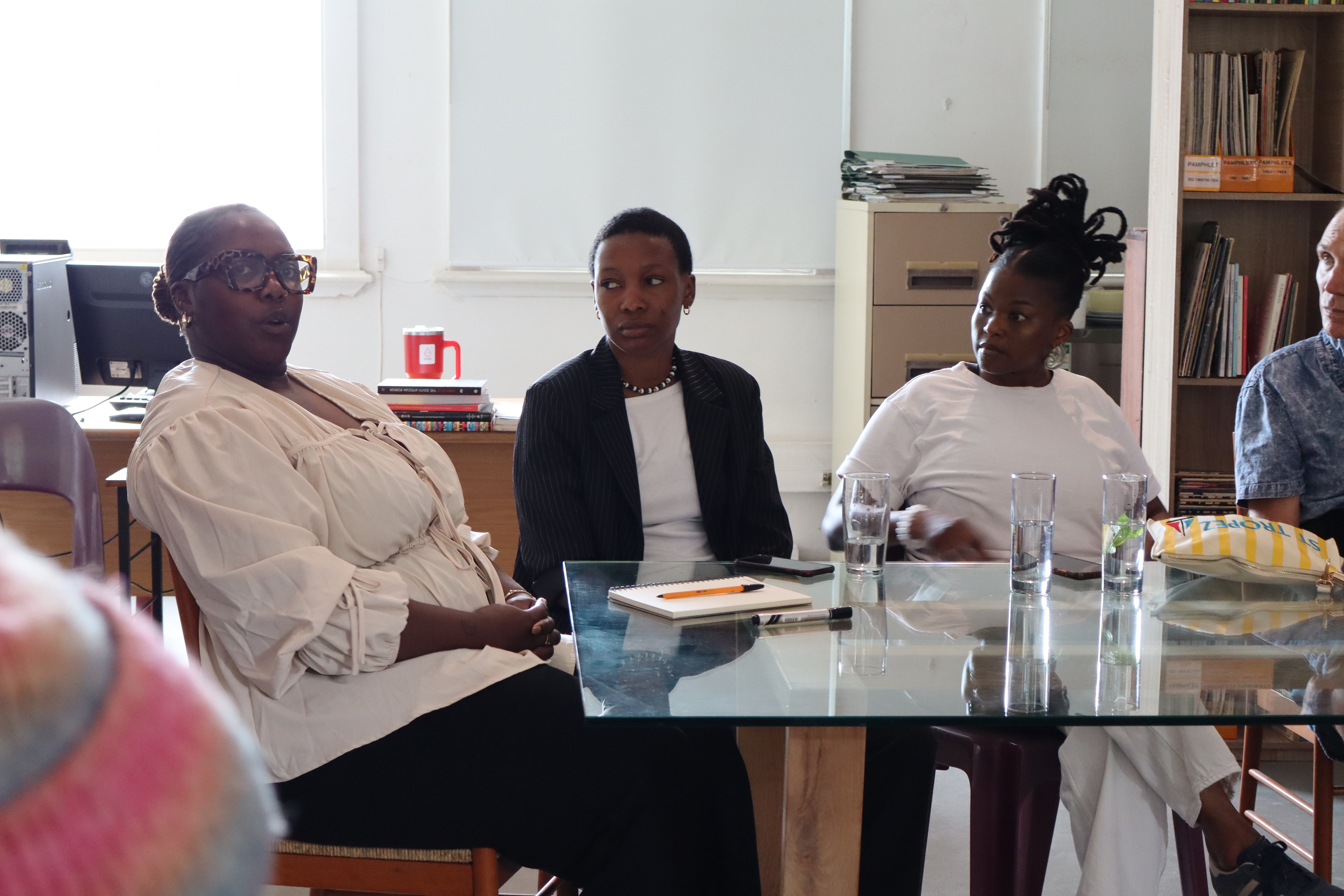
 

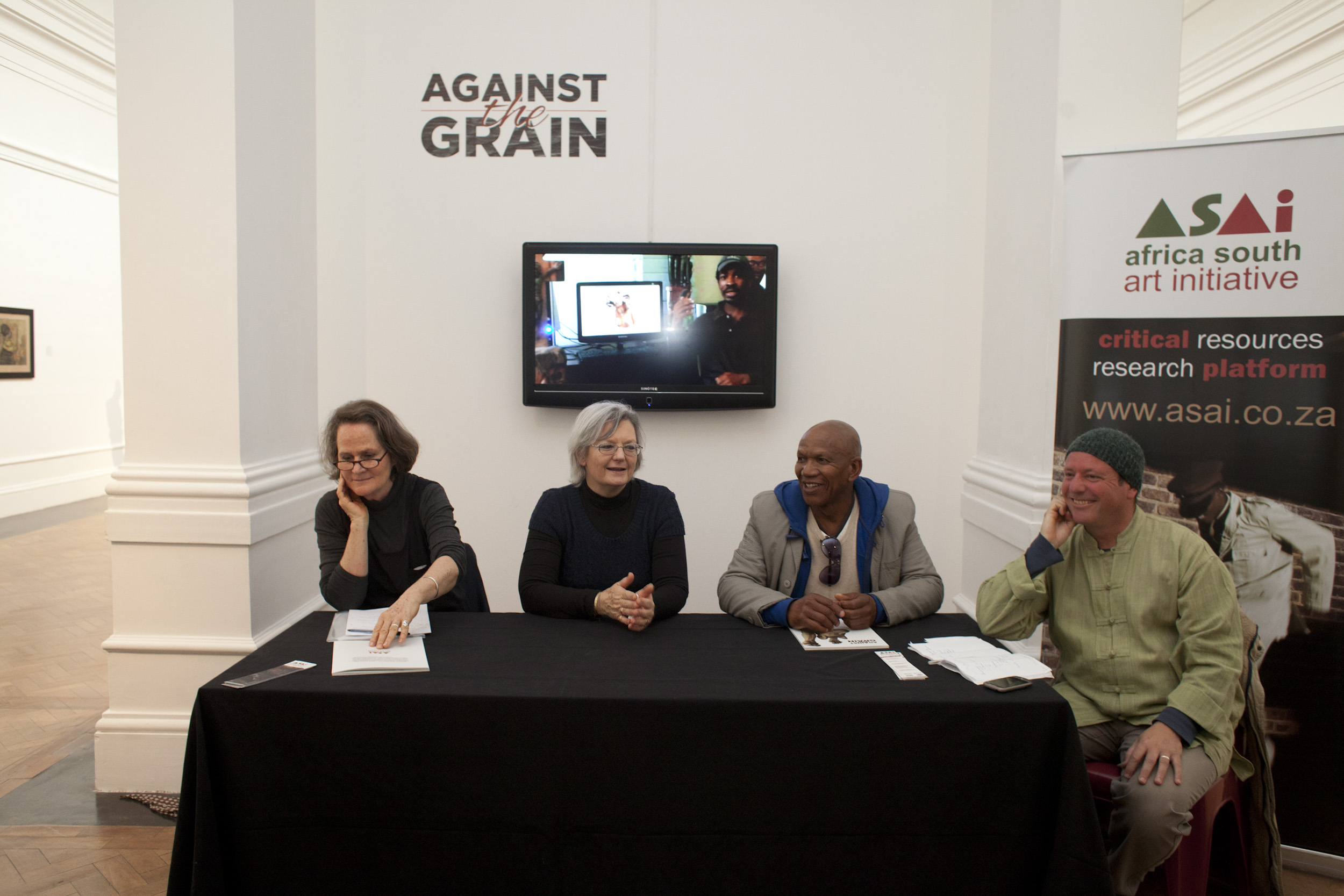
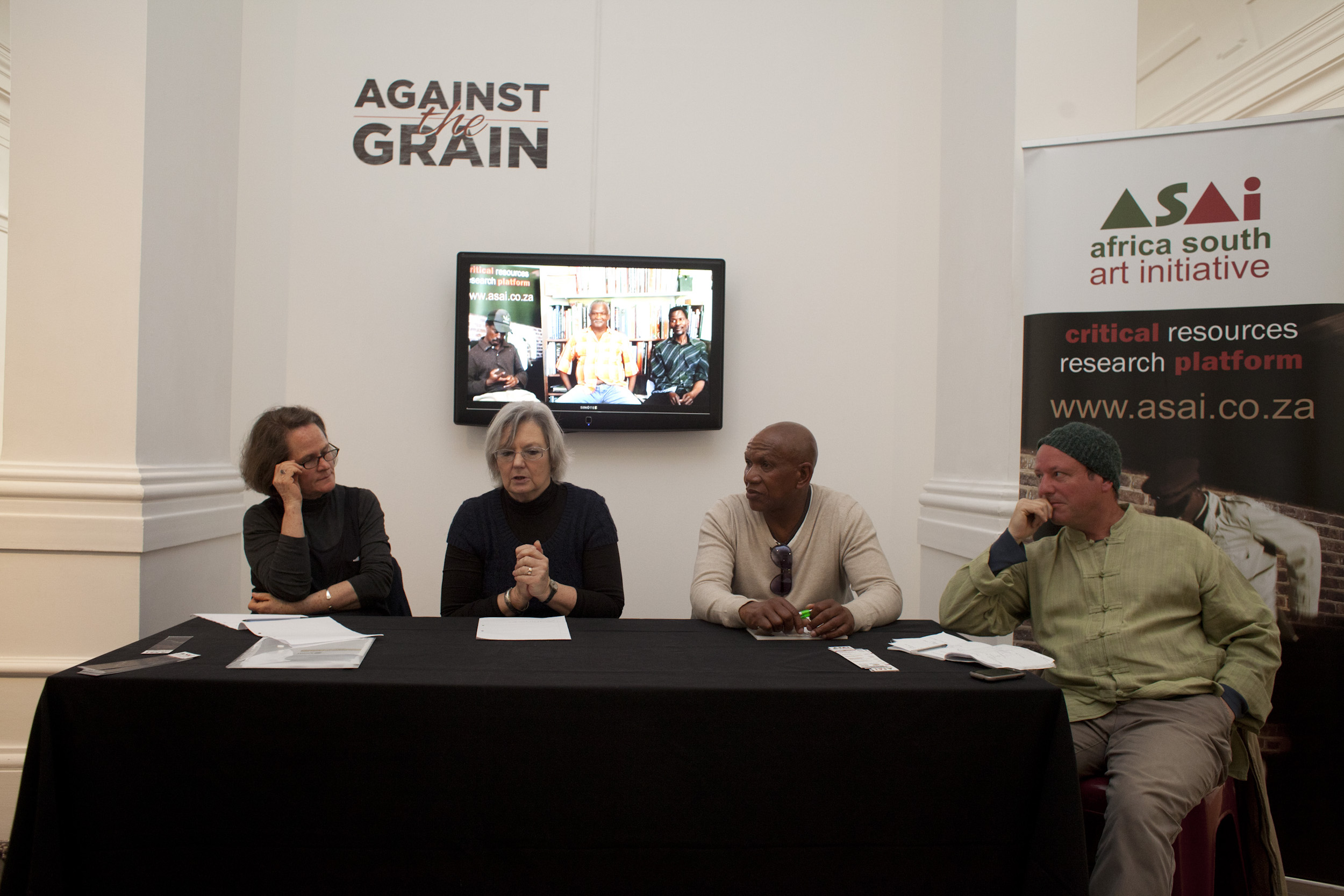
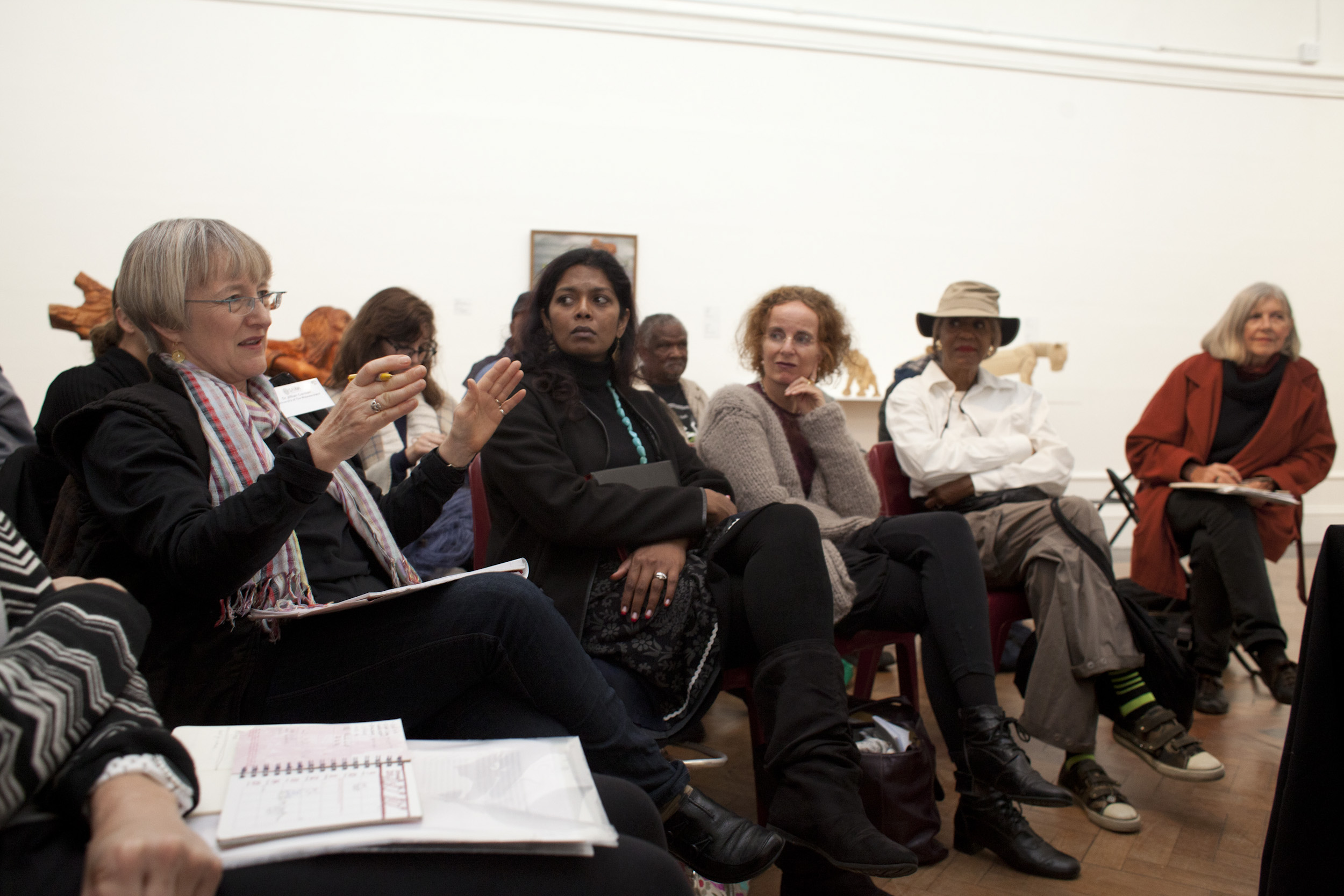
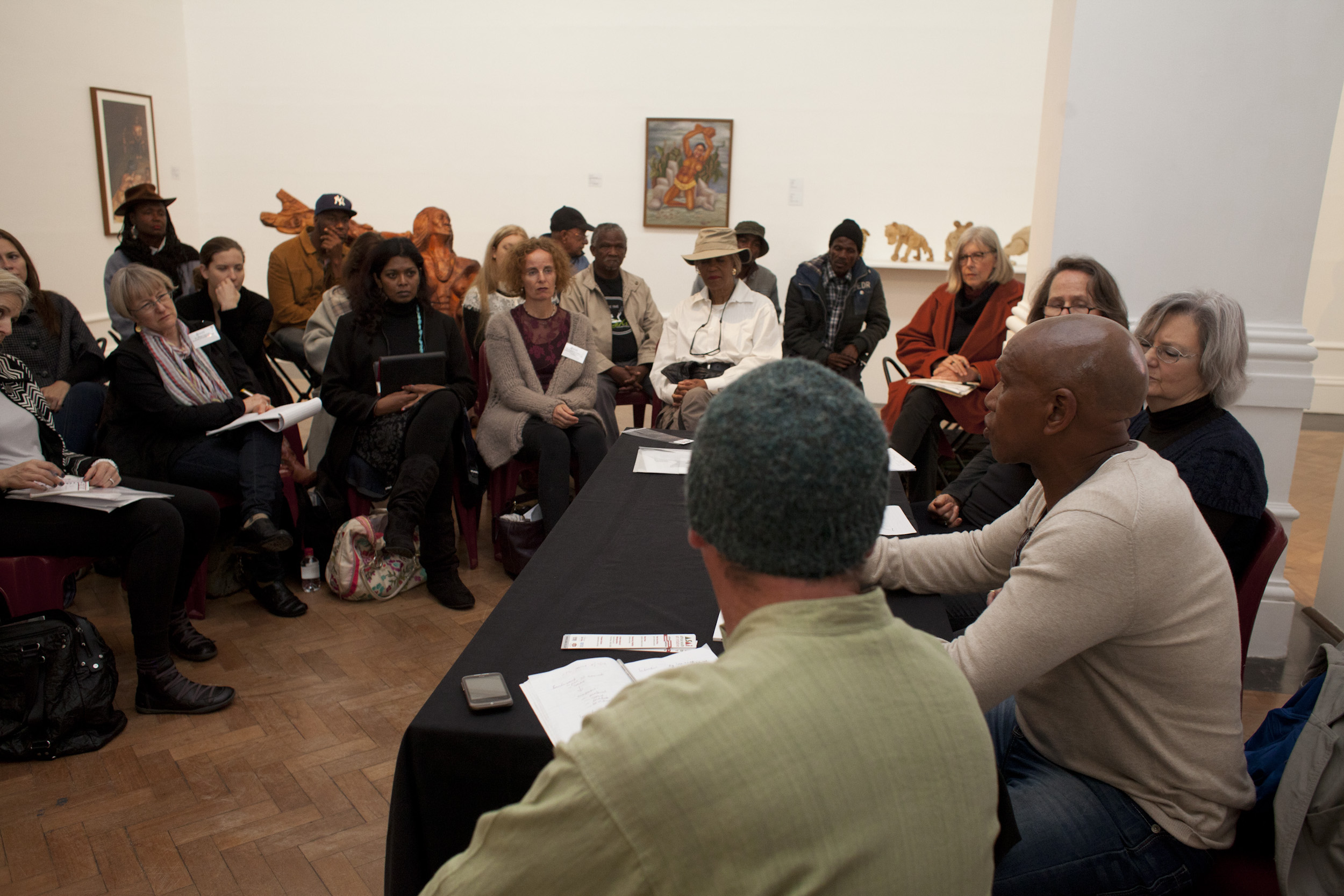
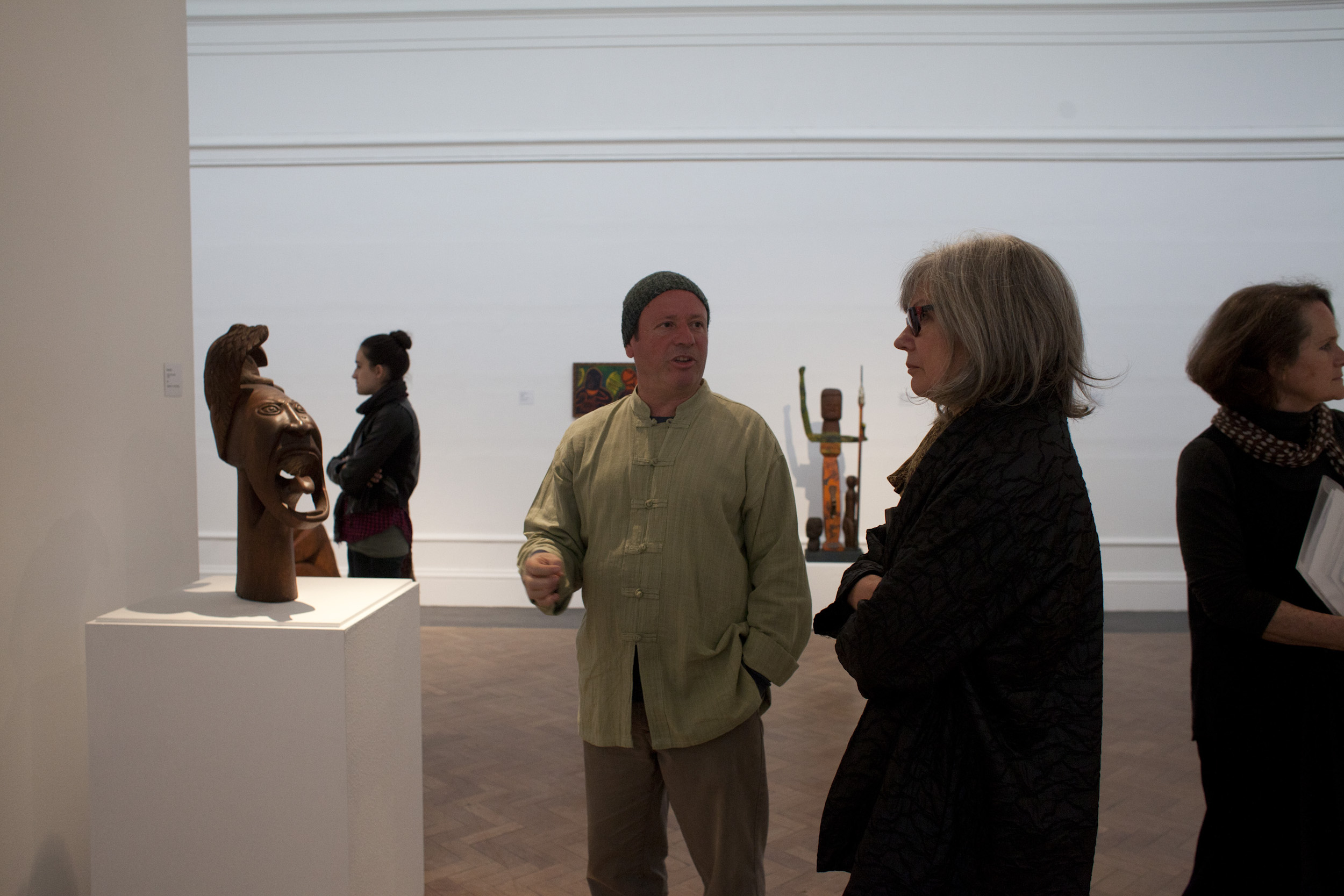
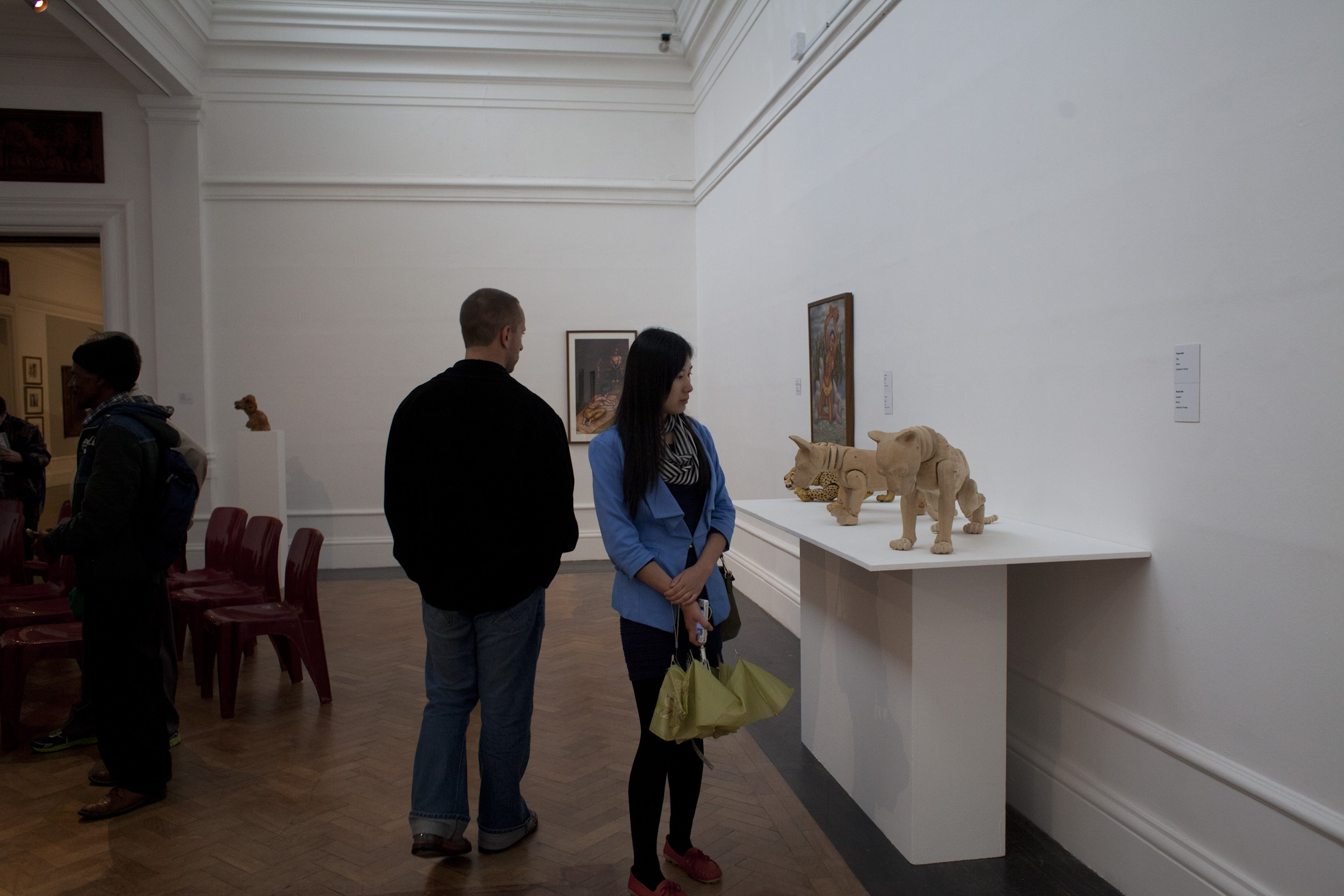
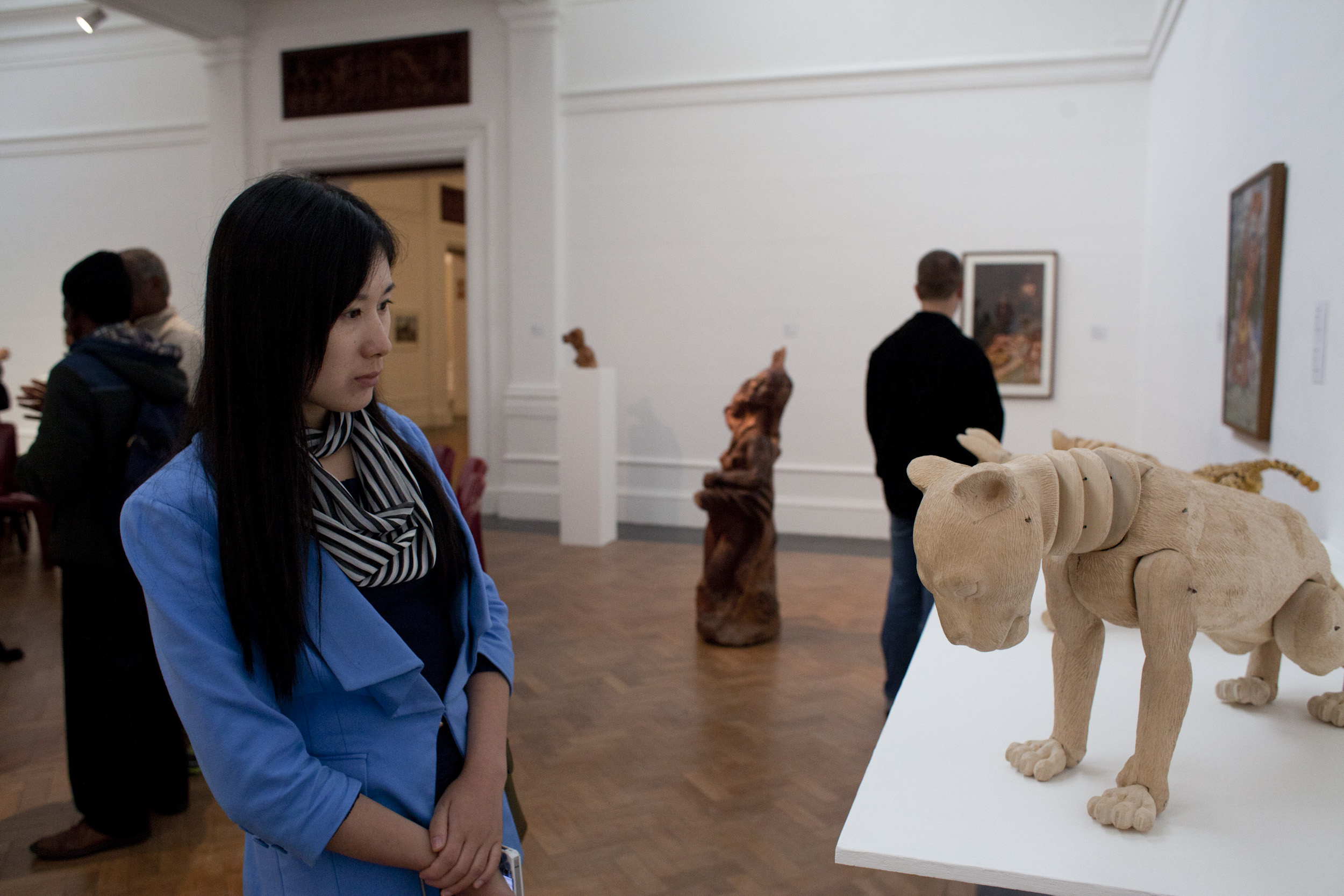
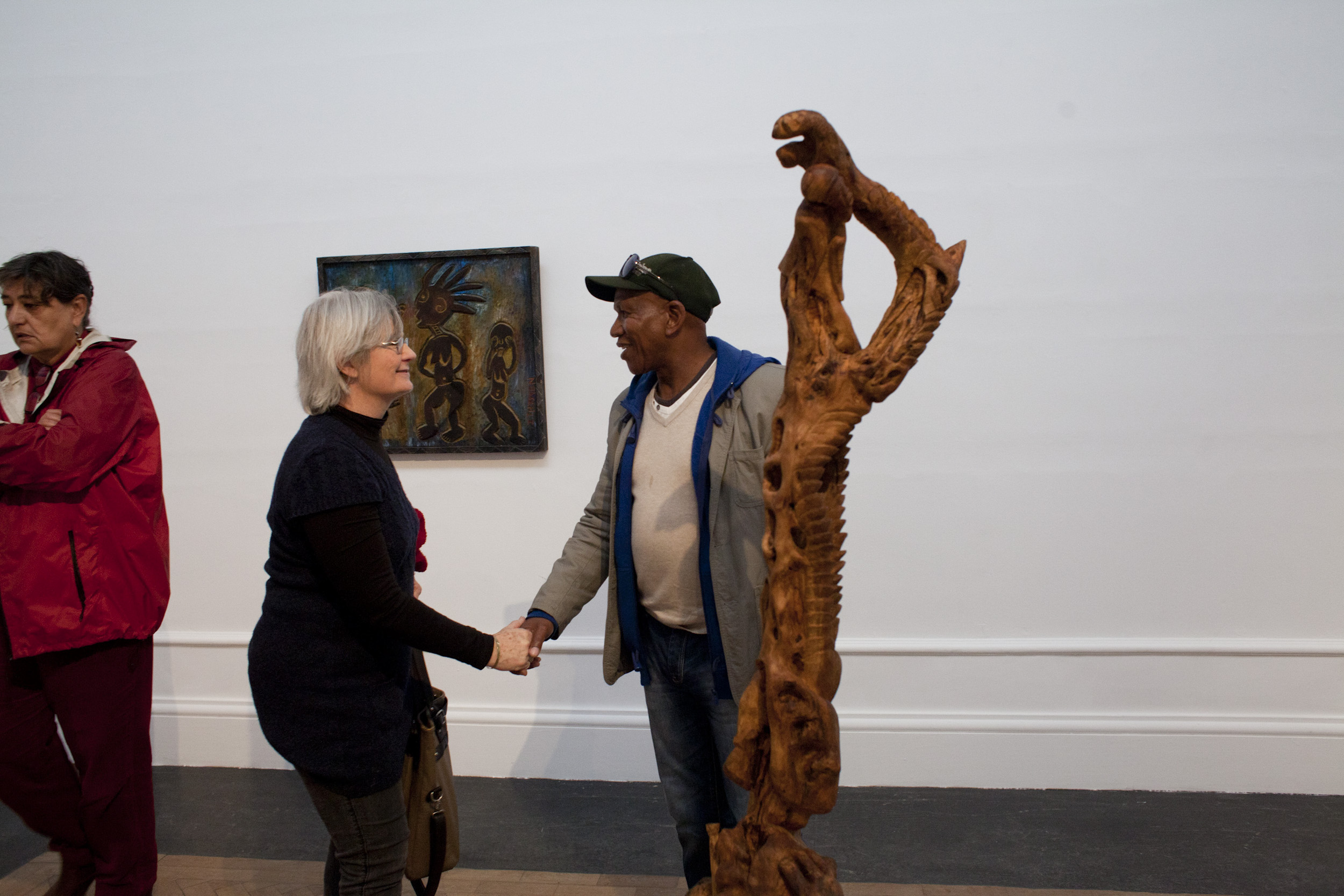
Against the Grain Panel Discussion, South African National Gallery (2013)


Programming as part of the exhibition held at Iziko South African National Gallery l 15 August – 17 November 2013 l Sanlam Art Gallery 3 December 2013 – 7 February 2014

Against the Grain profiles five wood sculptors from the Cape – Isaac Makeleni, Ishmael Thyssen, Shepherd Mbanya, Timothy Mafenuka and Thami Kiti. Working for decades with little support and public acknowledgment, these artists have produced significant works that are skilful and imaginative, earnest and playful. They address a diversity of themes that engage with the recent and distant past as well as the contemporary present.
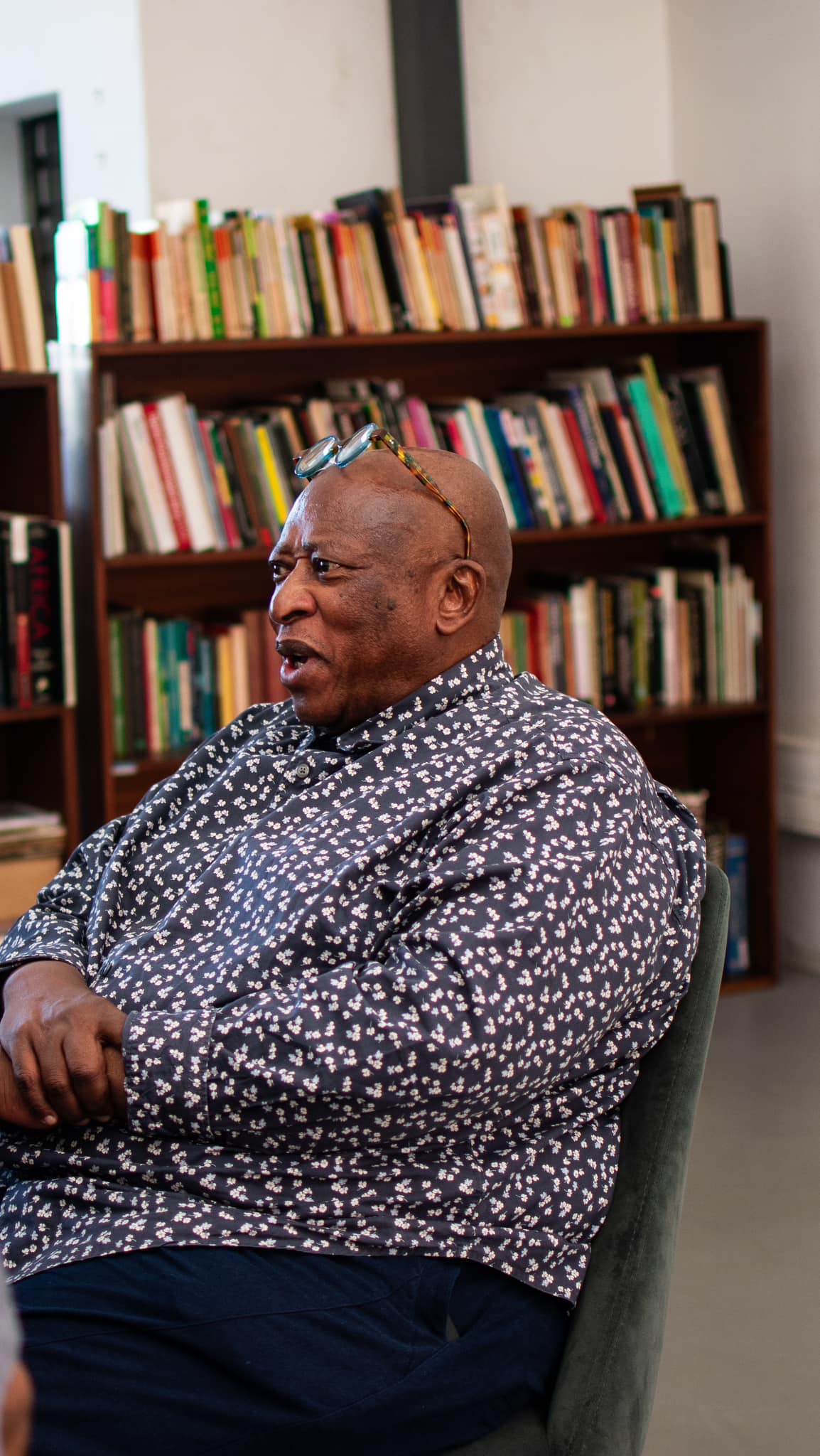
Against the Grain questions the dominant narratives of South African wood carving, firmly in place since the Tributaries exhibition (1985), that have failed to recognise the existence of black wood-carvers outsides of the “Venda” region. It also questions the reasons behind the low visibility of black African wood sculptors internationally, suggesting that black wood-carvers have been unduly prejudiced since the development of new discourses in contemporary African art since the 1990s.

Click here for the exhibition catalogue